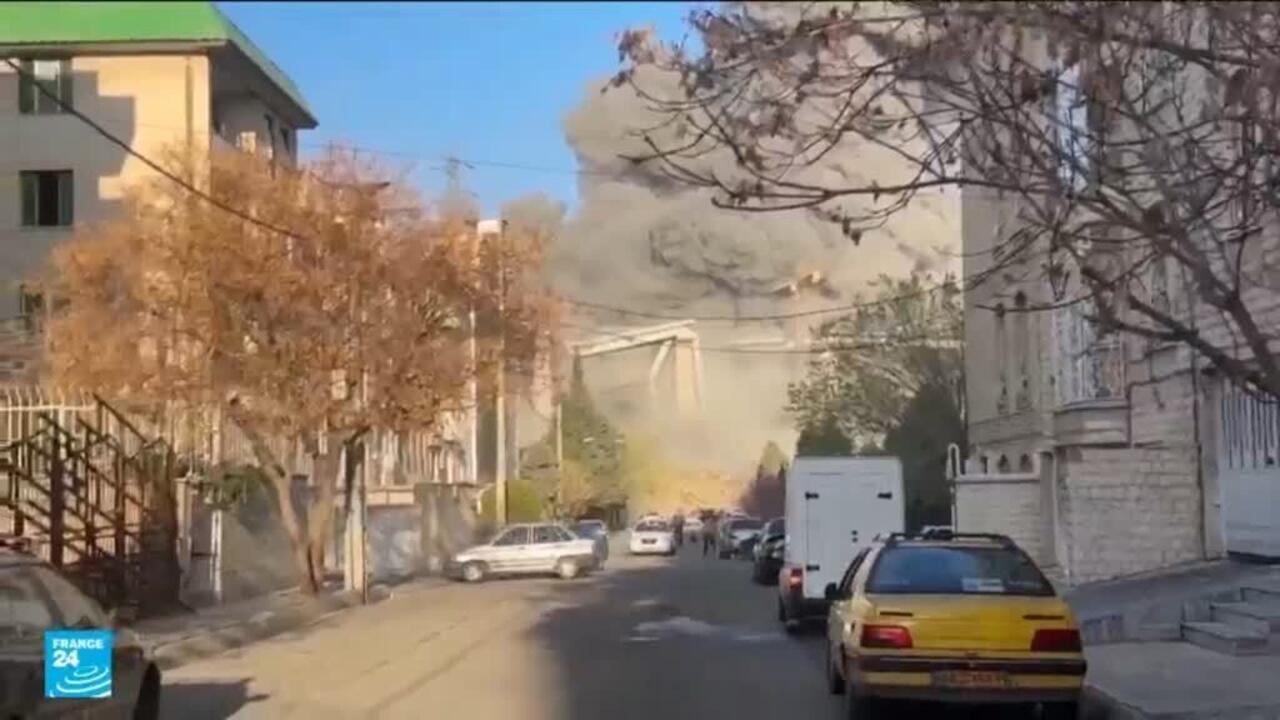
In a new escalation of tensions in the region, US forces carried out military strikes on targets in Iran's Kharg Island on Tuesday, according to official sources. The strikes specifically targeted military sites and did not affect oil infrastructure, reflecting a precise strategy by Washington.
These strikes come at a critical time as the deadline set by the US President for reaching an agreement with Iran approaches. US and Israeli forces have expanded their target range to include bridges and airports, complicating the security situation further.
Details of the Strikes
Israeli Prime Minister Benjamin Netanyahu announced that military operations are aimed at Iranian railways and bridges as part of Israel's efforts to counter security threats. The strikes reflect a strategy intended to undermine Iranian military capabilities.
These developments coincide with rising tensions between Iran and the United States, as Washington seeks to bolster its military presence in the region. The recent strikes may be part of a broader strategy aimed at deterring Iran from continuing its military activities.
Background & Context
Historically, relations between Iran and the United States have seen increasing tensions since the Iranian Revolution in 1979, which intensified significantly after the US withdrawal from the Iranian nuclear deal in 2018. This situation has led to the imposition of severe economic sanctions on Tehran.
The backdrop of these military actions is a complex interplay of geopolitical interests and longstanding grievances that have fueled animosity between the two nations. The current escalation reflects a critical juncture in US-Iran relations, with potential implications for regional stability.
Impact & Consequences
The military strikes could lead to a greater escalation of confrontations in the region, as Iran is likely to respond in various ways, including targeting US forces or supporting armed groups. Such developments may also impact global oil markets, increasing the sensitivity of oil-producing countries to military conflicts.
Furthermore, the potential for retaliatory actions by Iran could lead to a cycle of violence that destabilizes the already fragile security landscape in the Middle East. The international community is closely monitoring these developments, as they could have far-reaching implications for global security.
Regional Significance
The significance of these strikes extends beyond immediate military objectives, as they represent a broader strategy by the US and its allies to counter Iranian influence in the region. The targeting of infrastructure such as bridges and railways indicates a shift in military tactics aimed at crippling Iran's logistical capabilities.
As tensions continue to rise, the potential for miscalculation or unintended escalation remains high. The situation underscores the need for diplomatic efforts to de-escalate tensions and seek a peaceful resolution to the ongoing conflicts.