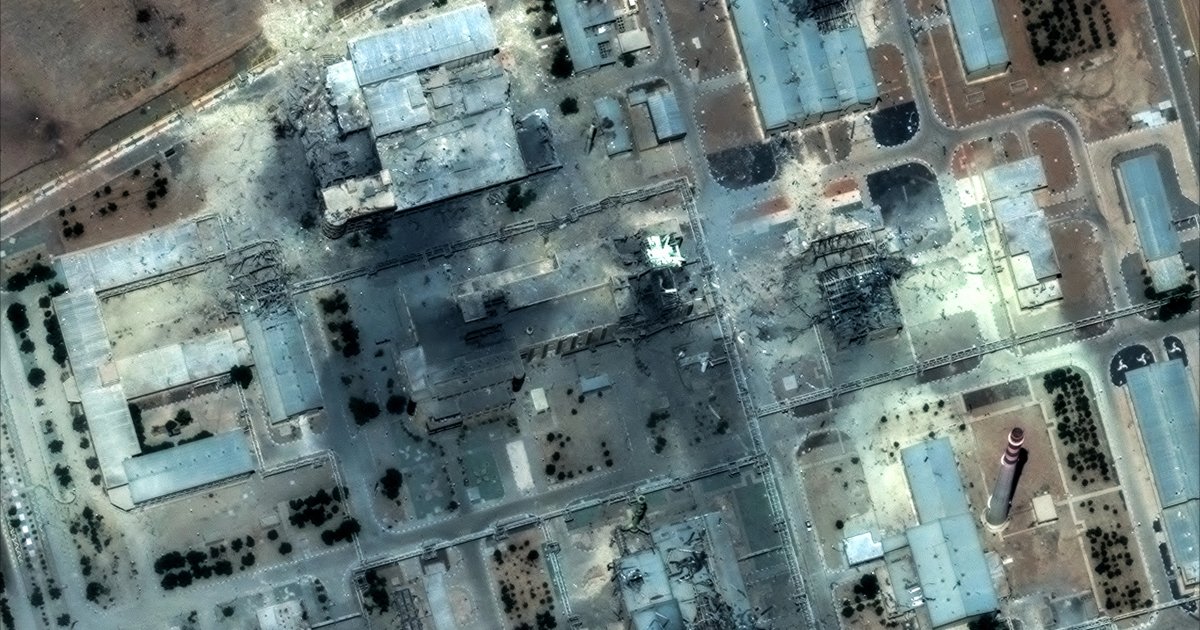
Iran faced multiple airstrikes today from the United States and Israel, targeting sensitive industrial facilities, including steel and cement plants. The Iranian Revolutionary Guard emphasized the need for a retaliatory response to these attacks.
Iranian media reported that the strikes targeted a series of industrial facilities, including steel and cement factories, as well as sites linked to Iran's nuclear program. This escalation comes at a sensitive time in the confrontation between Iran and the West and represents a qualitative escalation in the nature of the targeted objectives.
Details of the Event
The Iranian Atomic Energy Organization announced that a facility producing "yellowcake" in Ardakan, Yazd province, was attacked, confirming that initial investigations showed no radioactive leakage. "Yellowcake" is a concentrated powder of uranium used in enrichment processes and nuclear fuel production, making this facility a strategic target.
On the other hand, Israeli radio reported that the Israeli Air Force bombed the two largest steel factories in Iran, considering them an essential part of Iran's nuclear project. A local official in Fars province reported the deaths of two workers and injuries to two others due to a raid targeting the Firouzabad cement plant.
In Isfahan, the deputy governor for security affairs announced that the attack on the Mobarakeh steel plant resulted in one death and two injuries. According to preliminary reports, the strikes included several industrial and strategic sites.
Context and Background
These attacks come amid rising tensions between Iran and the United States and its allies, with increasing concerns over Iran's nuclear program. Since the U.S. withdrawal from the nuclear agreement in 2018, the region has witnessed an escalation in military activities and political tensions.
The recent airstrikes are part of a broader strategy aimed at undermining Iran's industrial capabilities, particularly those linked to the nuclear program. The Iranian Revolutionary Guard has warned that these attacks could lead to strong military reactions from Iran.
Impact and Consequences
The Iranian Revolutionary Guard announced the inclusion of six steel factories in Israel and five other countries in the region on the list of potential targets for a retaliatory strike. The Guard confirmed that the Iranian response should be more comprehensive and severe, indicating the possibility of greater military escalation in the future.
The Revolutionary Guard also warned against targeting American industrial companies and heavy industries allied with Israel, urging workers in these facilities to evacuate their sites to avoid danger. These statements reflect a state of military mobilization in Iran, increasing the likelihood of escalating tensions in the region.
Impact on the Arab Region
These developments underscore the ongoing tensions in the Middle East, where Iran and its allies remain on high alert. Additionally, these attacks may provoke reactions from regional countries, complicating the security landscape further.
Under these circumstances, Arab countries must closely monitor the situation, as any escalation in the Iranian-American conflict could affect the overall stability of the region.
In conclusion, the situation in Iran remains a focal point of international interest, with expectations of further developments in the coming days that could alter the balance of power in the region.