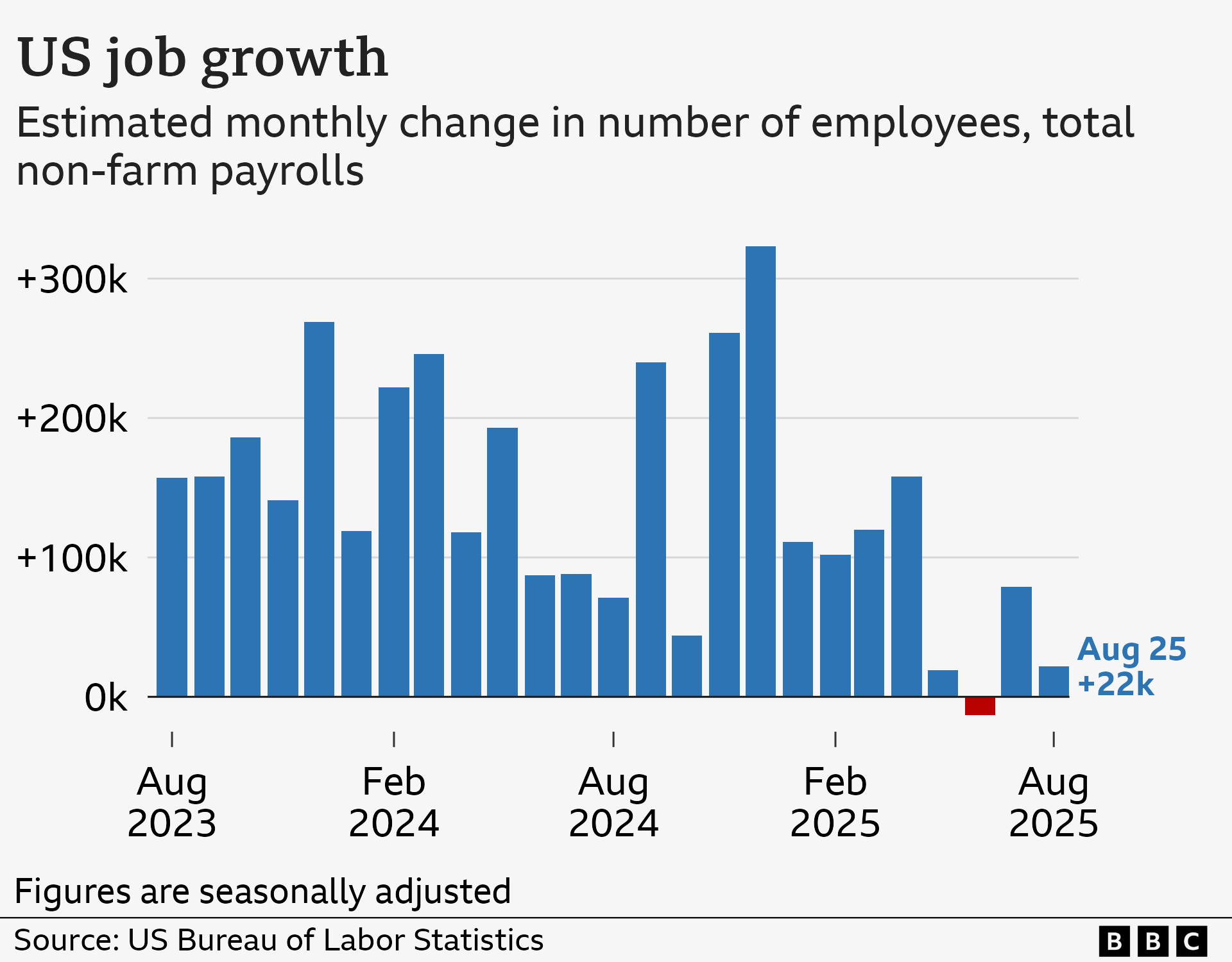
Despite the notable growth in the US job market during March, many analysts are concerned about the sustainability of this growth and the effects of future economic shocks. Data indicates that the increase in job numbers was concentrated in a few industries, raising questions about balance and sustainability in the labor market.
Reports have shown that certain sectors, such as technology and healthcare, experienced significant increases in employment, while other sectors struggled. This disparity in growth highlights the challenges faced by some industries under the current economic conditions.
Event Details
In March, private companies in the United States added approximately 200,000 new jobs, a figure that exceeds expectations. However, this growth was not evenly distributed across all sectors. For instance, the technology sector saw strong growth, while the retail sector faced difficulties in maintaining employment levels.
These figures come at a sensitive time, as many economists expect fluctuations in oil prices to have a greater impact on the US economy in the coming months. Oil prices have risen significantly, which could lead to increased production costs and affect consumers' purchasing power.
Background & Context
Historically, the US labor market has experienced significant fluctuations, being directly affected by global economic crises. Financial crises, such as the one that occurred in 2008, resulted in millions of job losses, while recovery periods saw increases in employment. However, the current growth occurs in a different context, as the US economy faces new challenges related to inflation and rising commodity prices.
In recent years, rapid technological changes have reshaped the labor market, increasing the demand for digital skills. This shift requires workers to adapt to new requirements, making education and vocational training more important than ever.
Impact & Consequences
Concerns about the effects of oil price shocks on the US labor market are critical. Rising oil prices can lead to increased transportation and production costs, which may negatively impact prices and affect consumers' purchasing power. This situation could result in slower economic growth and increase unemployment rates in certain sectors.
Moreover, the concentration of growth in a few sectors may lead to an imbalance in the labor market, where workers in affected sectors may find it challenging to secure new jobs. This challenge requires a swift response from both the government and the private sector to ensure job opportunities for all.
Regional Significance
Arab markets are directly affected by developments in the US economy, as the US economy is one of the main drivers of the global economy. Rising oil prices due to economic shocks may impact the budgets of oil-producing Arab countries, reflecting on their investments and development projects.
Additionally, a slowdown in growth in the United States could reduce demand for Arab exports, affecting economic growth in the region. Therefore, Arab countries must closely monitor developments in the US labor market and be prepared to adapt to any changes that may arise.