In analyzing the current economic situation, Kevin Hassett, the Director of the National Economic Council, reported on the impact of the March 2023 jobs report in the United States, pointing to disruptions in the oil market resulting from the ongoing war in Iran. Hassett confirmed that these events could significantly affect the U.S. economy, especially given the anticipated changes in oil prices.
The March jobs report showed a notable increase in new jobs, reflecting a recovery in the U.S. labor market. However, the disruptions in the oil market could hinder this recovery, as rising oil prices may lead to increased transportation and production costs, adversely affecting both businesses and consumers.
Details of the Jobs Report
The recently released jobs report indicated the addition of approximately 236,000 new jobs in March, which is a positive sign of the U.S. economy's recovery after the difficulties faced in recent years. At the same time, Hassett warned that disruptions in the oil market could lead to rising prices, which may negatively impact economic growth.
The war in Iran, now entering its third year, has reduced oil supplies from the region, contributing to rising global prices. Hassett noted that this price increase could affect the purchasing power of American households, potentially leading to a decline in consumption.
Background & Context
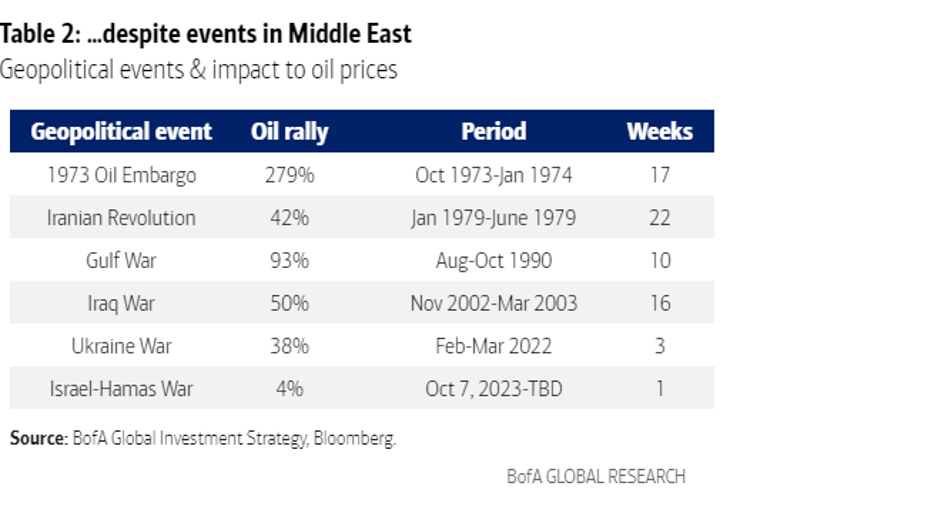
Historically, oil prices have been closely linked to geopolitical events in the Middle East. The war in Iran is not new, but it gains particular significance amid the current global economic conditions. Since the onset of the conflict, oil prices have experienced significant fluctuations, impacting the global economy as a whole.
The U.S. economy heavily relies on stable oil prices, as any unexpected price increase could have negative repercussions on growth. In recent years, we have seen how rising oil prices have sometimes led to economic recessions, raising concerns about the future.
Impact & Consequences
The potential consequences of rising oil prices due to the war in Iran could be far-reaching. Sectors such as transportation and industry are expected to be significantly affected, as increased costs may lead to reduced profits. Additionally, American households may find themselves compelled to cut back on spending for essential goods and services.
Moreover, these conditions may increase pressure on the U.S. government, which may need to take measures to mitigate the effects of rising prices on consumers. The Federal Reserve may also find itself in a difficult position, needing to balance the need to control inflation while supporting economic growth.
Regional Significance
For the Arab region, rising oil prices could have both positive and negative effects. On one hand, oil-producing countries may benefit from increased revenues, allowing them to bolster their economies. On the other hand, rising prices may increase pressures on oil-importing countries, potentially affecting their economic stability.
In light of these circumstances, Arab countries must be prepared to adapt to changes in the oil market and seek strategies to strengthen their economies in the face of future challenges. Ultimately, the situation in Iran and the oil market remains under observation, as any new developments could significantly impact the global economy.