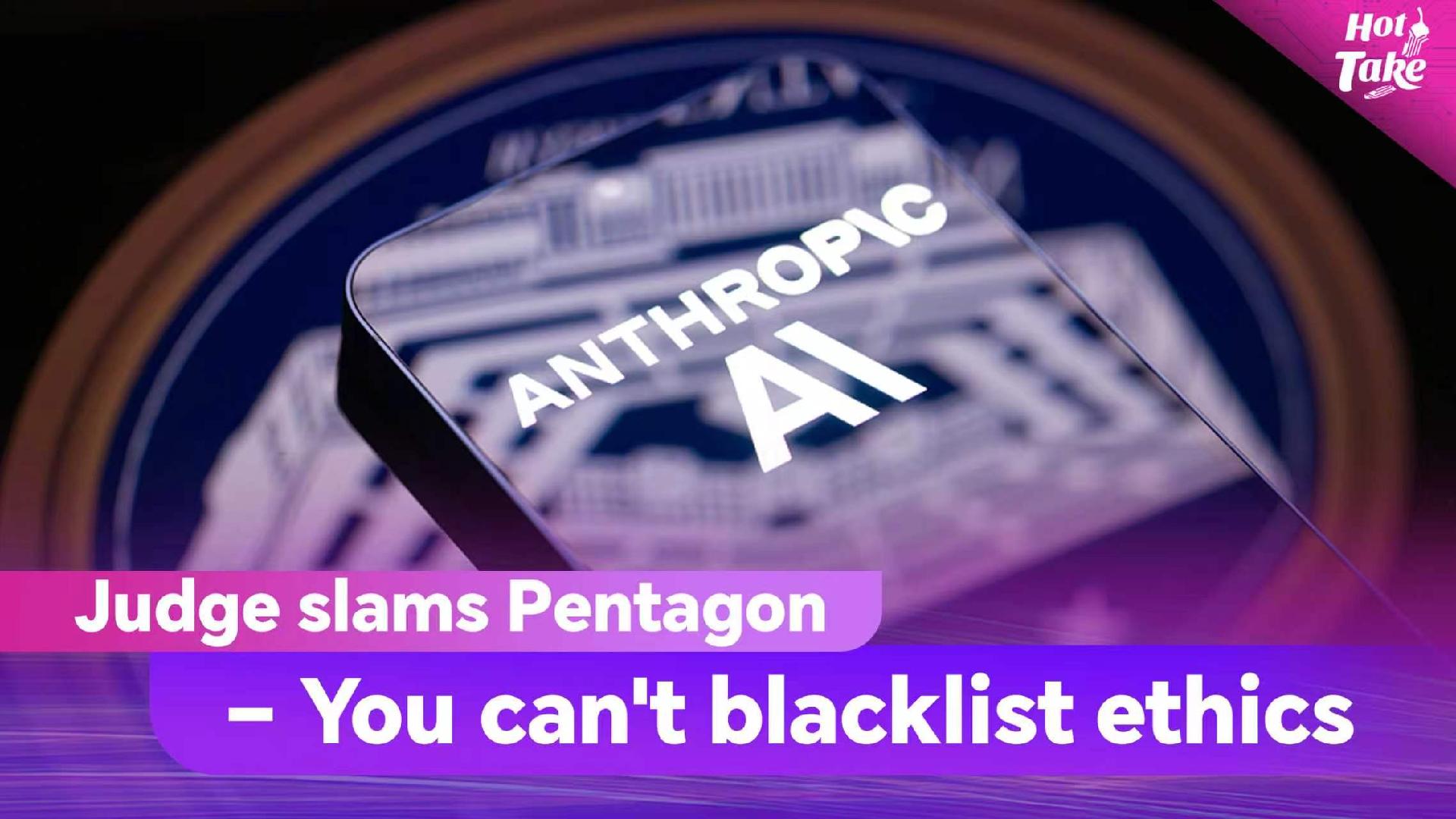
In a controversial move, a U.S. judge has criticized the Pentagon for its attempts to ban ethics in military decisions, asserting that ethics cannot be blacklisted. This statement comes at a sensitive time as criticisms of U.S. defense policies are increasing, raising questions about how military decisions are made and their impact on human values.
The judge, whose name has not been disclosed, pointed out that the Pentagon's efforts to define ethical standards in the context of military operations could lead to undesirable outcomes. He argued that ethics is not merely an element that can be removed or added as needed, but is an essential part of any decision made in the defense sector.
Details of the Event
These remarks come at a time when there is increasing pressure on the U.S. government to clarify its military policies, especially following several incidents that have sparked widespread controversy regarding the use of force. The judge specifically criticized what he deemed an unethical approach to handling military issues, emphasizing that ethics should be at the core of any military decision.
This criticism arises amidst growing calls from human rights organizations and civil society for a review of U.S. military policies, particularly in conflict zones such as the Middle East. The use of military force in these regions is a contentious issue that requires careful evaluation of the associated ethical considerations.
Background & Context
Historically, the United States has faced repeated criticism regarding its military policies, particularly in light of the wars it has waged in Iraq and Afghanistan. These wars have raised questions about the extent to which human and ethical values are respected in the context of military operations. Additionally, there are increasing calls from the international community to reassess these policies.
In recent years, the United States has seen shifts in how it addresses military issues, with some voices within the government advocating for the necessity of integrating ethics into the decision-making process. However, there remains resistance from certain military circles that believe ethics may hinder the ability to make swift and effective decisions on the battlefield.
Impact & Consequences
The judge's statements may enhance the discussion around the necessity of integrating ethics into U.S. military policies. This issue is likely to provoke strong reactions from human rights organizations and civil society, potentially leading to greater pressure on the government to adopt more transparent and ethical policies.
Moreover, this issue could affect U.S. relations with its allies, as military policies lacking ethics may be viewed as a threat to shared values. In this context, calls for adopting stricter ethical standards in military operations may increase.
Regional Significance
In the Arab region, these statements could have a significant impact on how American military interventions are perceived. Many Arab countries have witnessed U.S. military intervention in recent years, raising widespread debate about the respect for human rights and ethics in these operations.
If discussions around ethics in military policies continue, they may lead to changes in how the United States engages with Middle Eastern issues, potentially improving relations with Arab nations that are concerned about U.S. military policies.
In conclusion, amid the increasing challenges facing the United States in its foreign policy, the importance of ethics as a fundamental element in military decision-making is highlighted. The judge's statements may mark the beginning of a deeper discussion on how to integrate human values into military policies, which could impact the future of U.S. relations with the Arab world.