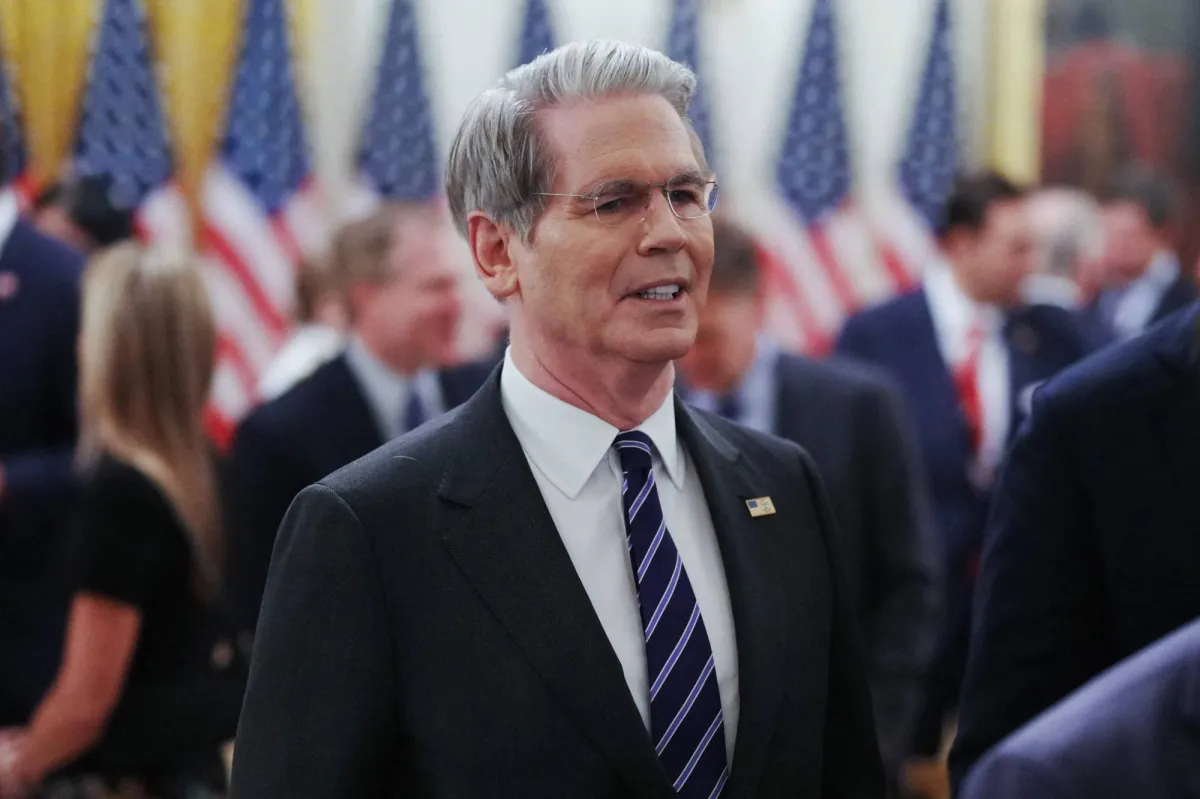
On Thursday, the US Treasury Department announced its decision to lift sanctions on 76 individuals and entities, considering these targets no longer significant. This move aims to modernize the current sanctions regime and improve the effectiveness of US sanctions.
Among those sanctioned, there are 39 deceased individuals, 14 individuals or vessels deemed inactive, and 13 dissolved companies. Additionally, sanctions were lifted on approximately ten other targets about which the Treasury lacks sufficient information.
Details of the Announcement
During a conference call, a Treasury official clarified that 'sanctions are not intended to be permanent.' He noted that the administration has eased sanctions on countries like Syria and Venezuela to align more closely with international policy and US national security interests. Secretary Scott Piesen previously indicated that the administration would review the sanctions system to enhance its efficiency and effectiveness.
The United States currently imposes sanctions on over 18,000 individuals and entities, including both public and private companies as well as commercial vessels. Many of the lifted sanctions date back to the early 2000s when the US began using these tools to combat organizations classified as 'terrorist' following the September 11, 2001 attacks.
Background & Context
Economic sanctions are a key tool used by the United States in its foreign policy, aimed at pressuring countries or individuals to comply with certain standards. However, the effectiveness of these sanctions is often debated, with some arguing they can lead to counterproductive outcomes or negatively impact civilians.
Historically, the US has employed sanctions as a means to pressure governments it views as hostile. Over time, the need to update these systems has become apparent to ensure they align better with the changing political and economic landscape.
Impact & Consequences
This move could lead to a reassessment of the relationship between the United States and the countries that were under sanctions, potentially opening the door for new cooperation opportunities. Lifting sanctions on individuals and entities may also contribute to improving the economic situation in certain areas.
Nonetheless, challenges remain, as the US administration may face criticism from some factions that believe lifting sanctions could weaken its position against security threats. There are also concerns that some individuals or entities that have had sanctions lifted may resume their previous activities.
Regional Significance
This step is particularly significant in the Arab region, where some countries are suffering from the effects of US sanctions. Lifting sanctions on certain individuals may help improve relations between the United States and these countries, potentially leading to greater stability in the region.
At the same time, there must be careful monitoring to ensure that these changes are not exploited by individuals or entities that could threaten regional security. Balancing diplomatic pressure with economic cooperation will be key to achieving US objectives in the region.
In conclusion, this move is part of a broader strategy aimed at updating the US sanctions system, reflecting changes in US foreign policy and its direction towards achieving its security and economic interests.