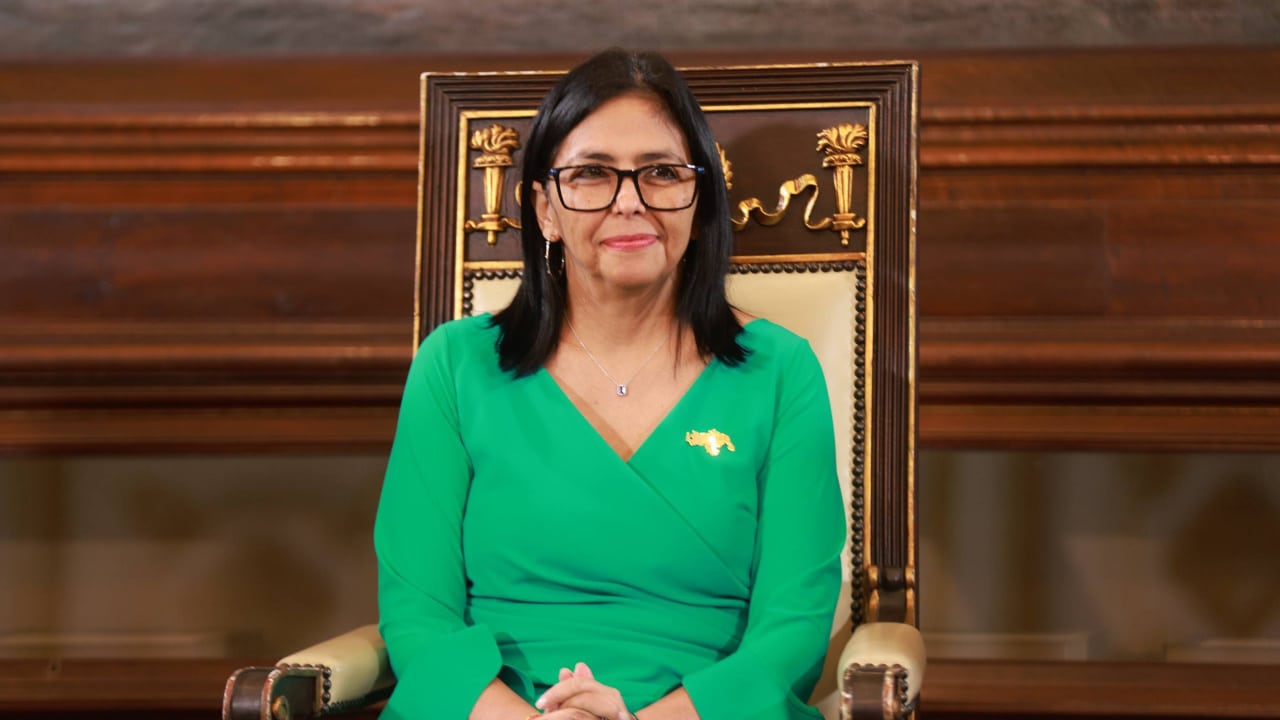
On Wednesday, the United States announced the lifting of sanctions imposed on Venezuela's interim president Delcy Rodriguez, following a period of political tensions in the country. This move reflects a shift in U.S. policy towards Venezuela, where Rodriguez assumed power after the ousting of her predecessor Nicolas Maduro, who was considered a strong ally of several leftist regimes in Latin America.
The decision from Washington comes at a sensitive time, as the U.S. government seeks to reassess its strategy in the region, particularly in light of the economic and political challenges facing Venezuela. Lifting the sanctions on Rodriguez may pave the way for improved relations between the two countries and reflects the United States' desire to support democratic transitions in Venezuela.
Details of the Event
Delcy Rodriguez, who previously served as vice president, took over the presidency on an interim basis after the United States ousted Nicolas Maduro from power. The sanctions imposed on her were aimed at pressuring the Venezuelan government to comply with international demands regarding human rights and democracy. Lifting these sanctions may indicate a change in the U.S. approach towards Venezuela, as it seeks to support the opposition forces against Maduro.
This decision follows a series of negotiations between the U.S. government and the Venezuelan opposition, resulting in agreements aimed at improving humanitarian and economic conditions in the country. It is expected that lifting the sanctions will contribute to enhancing political stability in Venezuela, potentially leading to improved living conditions for its citizens.
Background & Context
Historically, Venezuela under Maduro has suffered from severe economic crises, with poverty and unemployment rates rising significantly. The U.S. sanctions were part of a broader strategy aimed at isolating Maduro from the international community, but this strategy did not yield the desired results and instead exacerbated the humanitarian situation in the country.
Despite international pressures, Maduro managed to remain in power, raising questions about the effectiveness of the sanctions. With Rodriguez taking over, there appears to be a new opportunity to reconsider these policies, especially with increasing international support for the Venezuelan opposition.
Impact & Consequences
Lifting the sanctions on Rodriguez could have significant implications for the political landscape in Venezuela. This decision is expected to strengthen the position of the interim government, potentially aiding it in achieving greater political stability. Additionally, this move may encourage more countries to reassess their relations with Venezuela, contributing to improved economic conditions.
On the international front, this decision could lead to a reshaping of alliances in Latin America, with some countries possibly moving towards supporting the new Venezuelan government. Furthermore, lifting the sanctions may open the door for new investments in Venezuela, helping to revitalize its struggling economy.
Regional Significance
Although Venezuela is far from the Arab region, political events there may influence relations between Arab countries and Latin America. Political transformations in Venezuela could inspire some political movements in Arab nations, where many youths are striving for change and reform.
Moreover, improved relations between Washington and Venezuela could impact U.S. policies in the Middle East, as the United States may seek to strengthen its ties with other countries in the region based on these developments.
In conclusion, lifting the sanctions on Delcy Rodriguez represents an important step in the trajectory of U.S. policy towards Venezuela. This move could open new avenues for cooperation between countries and contribute to improving humanitarian and economic conditions in Venezuela, positively reflecting on regional stability.