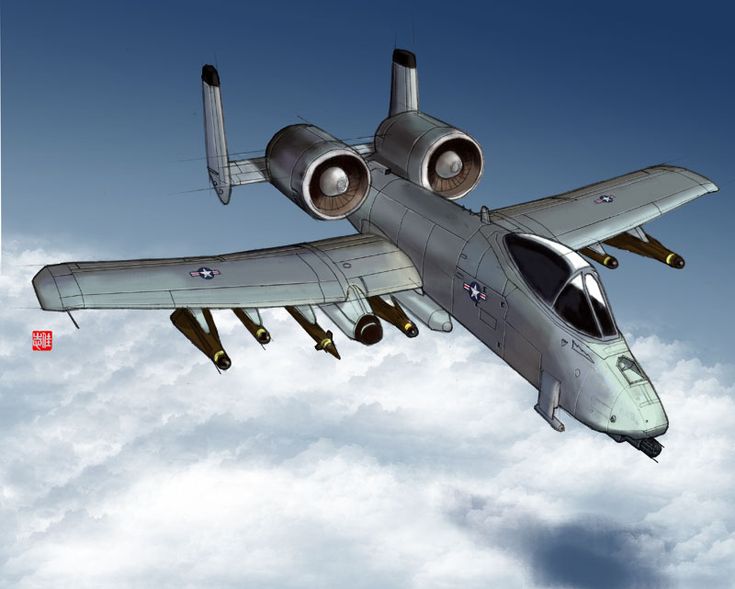
An American military aircraft, the A-10 Thunderbolt, which was hit by Iranian air defense fire, has managed to reach a military base in Kuwait. This incident comes at a sensitive time marked by increasing tensions between the United States and Iran, leading to the deployment of U.S. military aircraft to support search and rescue operations after Iranian defenses intercepted an F-15 fighter jet.
The A-10 Thunderbolt, known for its close air support capabilities, was damaged while conducting operations near the Iranian border. This incident reflects the escalating military tensions in the region, as Iran seeks to enhance its defensive capabilities in response to U.S. military activities.
Details of the Incident
According to reports, the A-10 was on reconnaissance missions when it came under fire from Iranian air defenses. The aircraft, which is renowned for its durability and combat effectiveness in complex air environments, was able to return to Kuwait thanks to the skills of its pilots and rapid logistical support. The incident raised concerns in Washington, prompting the immediate dispatch of additional aircraft to bolster security in the area.
The U.S. military movements in the region are not new, as they align with Washington's strategy to counter increasing Iranian threats. The deployment of military aircraft aims to enhance the U.S. forces' rapid response capability in case of any escalation.
Background & Context
Historically, U.S.-Iranian relations have been marked by increasing tensions, especially following the U.S. withdrawal from the Iranian nuclear deal in 2018. Since then, Washington has imposed strict economic sanctions on Tehran, leading to heightened military tensions in the region. Iran, for its part, has bolstered its defensive capabilities, enabling it to counter U.S. military aircraft in some instances.
The recent incident occurs at a critical juncture, as Iran seeks to strengthen its regional position amid economic and political pressures. Additionally, military escalation could impact regional stability and exacerbate tensions among major powers.
Impact & Consequences
The potential ramifications of this incident could be far-reaching, possibly leading to greater military escalation between the United States and Iran. This incident may also affect U.S. relations with its allies in the region, as some allies may feel concerned about the rising military tensions.
Any escalation in hostilities could have negative consequences for regional security and could impact oil prices and global financial markets. Furthermore, any military response from the United States could provoke an Iranian reaction, complicating the situation in the region.
Regional Significance
The Arab region is already grappling with multiple tensions and conflicts, and the recent incident could further complicate the situation. Neighboring Arab countries may feel anxious about the escalating military tensions, which could affect their stability and security.
Moreover, any military escalation could impact peace and stability efforts in the region, as many countries strive to achieve stability under the current circumstances. It is crucial for Arab nations to collaborate with major powers to foster peace and avoid military escalation.