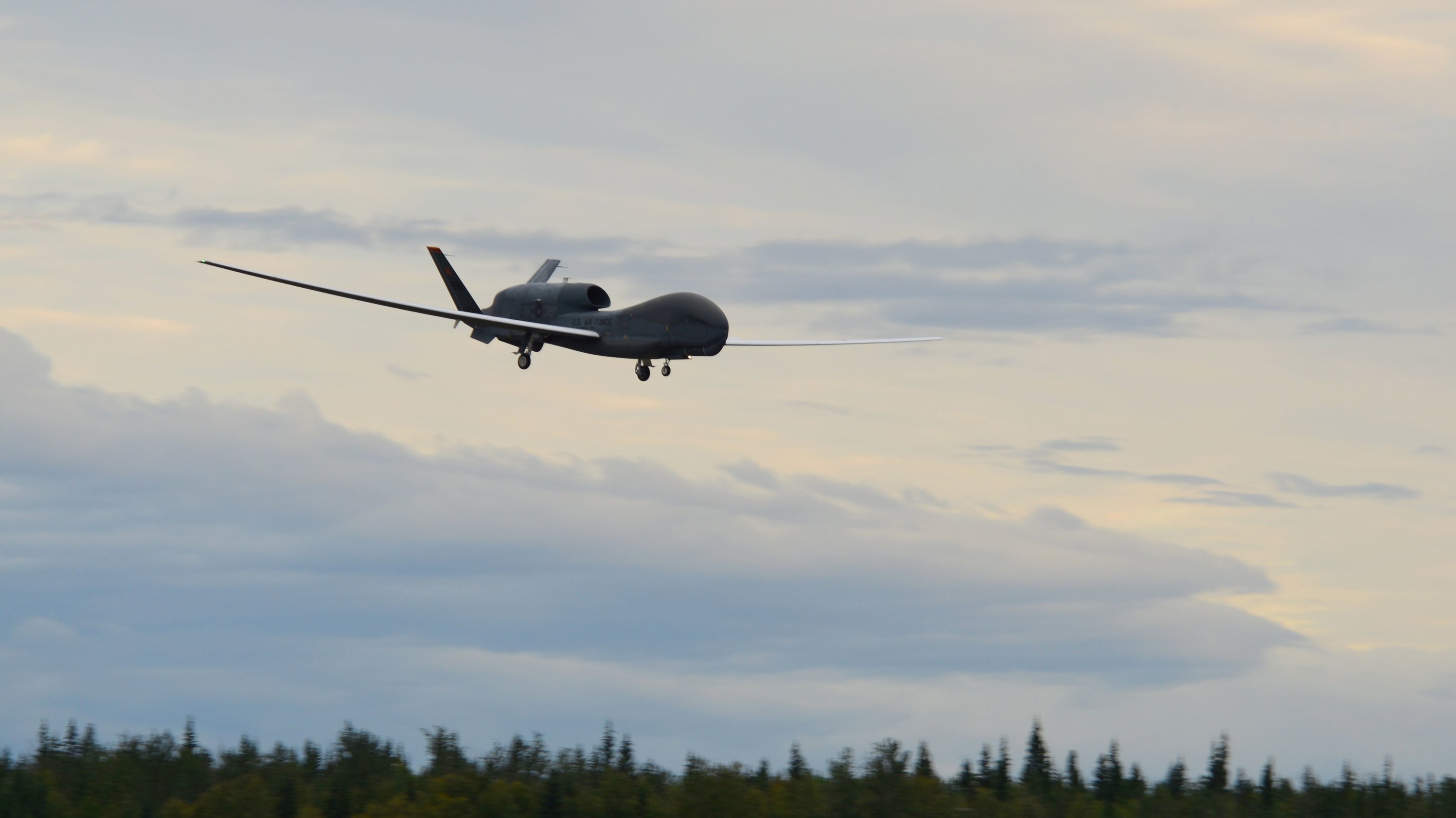
The ongoing Iranian war has recorded an unprecedented event, with U.S. military aircraft being shot down by enemy fire, something that has not occurred in over twenty years. This incident reflects the escalating tensions in the region and changes in the balance of power, raising widespread concern among military and political circles.
These strikes come at a sensitive time as tensions between the United States and Iran are on the rise, amidst increasing military operations in the area. This event serves as a warning to U.S. military officials about the challenges they may face in the future.
Details of the Incident
According to reports, the downed U.S. aircraft were involved in military operations against Iranian targets. It is believed that these aircraft were hit by anti-aircraft fire, leading to their downing. This incident is the first of its kind in over two decades, as U.S. forces have not experienced such losses due to enemy fire in recent years.
This incident demonstrates that Iran has significantly developed its defensive capabilities, complicating the military situation in the region. This development poses a major challenge for the United States, which has relied on its air superiority in military operations.
Background & Context
Historically, the United States has enjoyed clear air superiority in the region, having not faced any aircraft shootdowns due to enemy fire for a long time. However, with rising tensions between the U.S. and Iran, circumstances have begun to change. In recent years, there has been an increase in Iranian military activities, including the development of air defense systems.
The roots of the conflict between the United States and Iran date back decades, with relations between the two countries experiencing escalating tensions since the Iranian Revolution in 1979. As tensions have increased, Iran has become more prepared to confront military challenges, leading to the enhancement of its defensive capabilities.
Impact & Consequences
This incident is seen as a turning point in the conflict between the United States and Iran, as it may lead to greater escalation in military operations. There are fears that these developments could increase tensions in the region, potentially affecting both regional and international security.
Additionally, this incident may prompt a reassessment of U.S. military strategies in the region. The United States will need to study how to address new threats it may face, especially in light of the technological advancements that Iran has made in recent years.
Regional Significance
These events directly impact the situation in the Arab region, where concerns are growing over an escalation of conflict between major powers. Such developments could heighten tensions in countries like Iraq and Syria, where U.S. and Iranian forces are present.
This incident may also affect relations between Arab states and Iran, as fears of increased Iranian influence in the region could rise. This poses a significant challenge for Arab states striving to maintain their stability and security.
In conclusion, the downing of U.S. military aircraft in the Iranian war highlights significant changes in the balance of power in the region. Concerned nations must handle these developments with caution, as they could lead to greater escalation in the conflict.