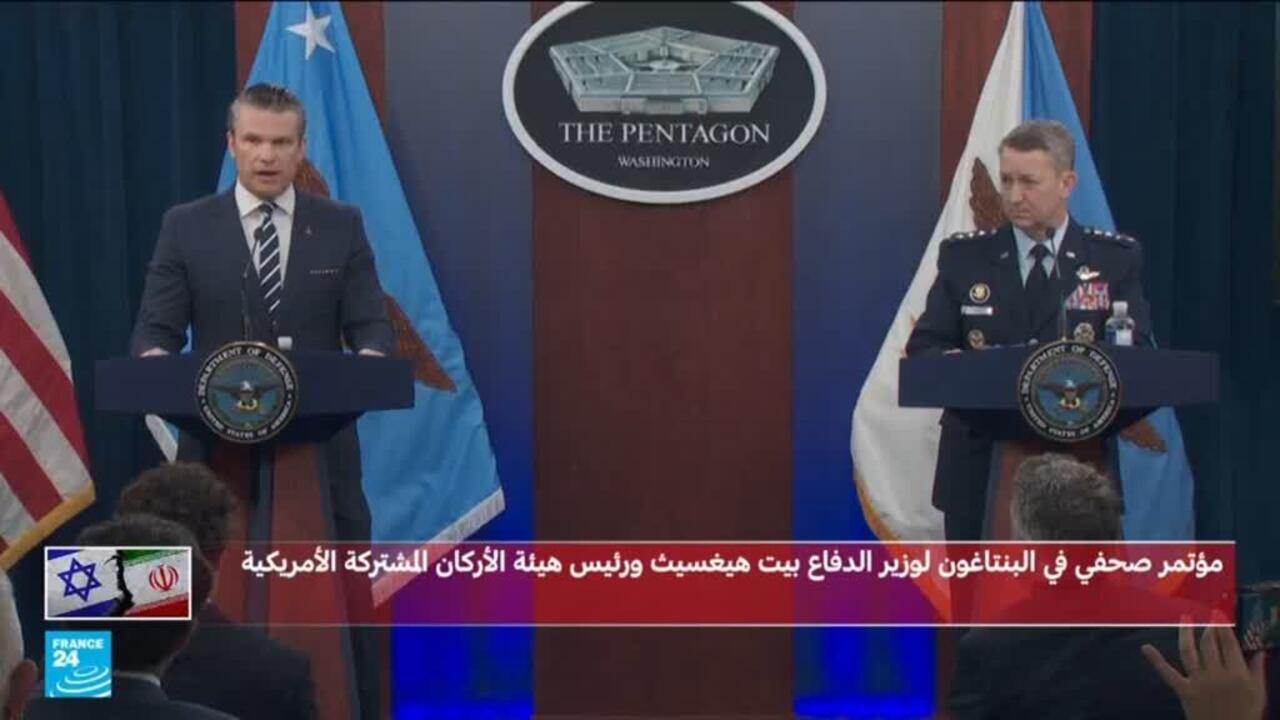
Admiral Brad Cooper, commander of US Central Command in the Middle East, announced that the United States has inflicted damage or destroyed more than two-thirds of Iran's capabilities in missile and drone manufacturing, as well as shipbuilding facilities. This announcement came during statements made by Cooper on Wednesday via X, where he noted that US military operations have achieved significant successes thus far.
These remarks come at a sensitive time in the region, as tensions between the United States and Iran are escalating. Cooper added that military operations are ongoing, and the United States is committed to countering Iranian threats in the area.
Details of the Operations
In his statements, Cooper confirmed that the United States specifically targeted facilities used by Iran for missile and drone manufacturing. He explained that these operations have resulted in the destruction or severe damage to over two-thirds of these facilities, thereby weakening Iran's ability to develop its military weapons. He also indicated that the operations include targeting shipbuilding yards used by Iran.
These steps are part of a broader strategy aimed at reducing Iran's influence in the region, especially amid rising tensions with US allies in the Middle East.
Background & Context
Historically, Iran has always been a focal point of tensions in the Middle East, as it seeks to enhance its military capabilities through the development of its missile and drone programs. These activities have raised significant concerns among the United States and its allies, prompting them to take direct military action against Iranian facilities.
Since the United States withdrew from the nuclear agreement with Iran in 2018, tensions have escalated dramatically, leading to a series of military attacks and responses between the two parties. These events have fueled conflict in the region, as both the United States and Iran seek to strengthen their strategic positions.
Impact & Consequences
These US military operations represent a significant step in the ongoing conflict with Iran, as they could lead to a shift in the balance of power in the region. If the United States continues to diminish Iran's military capabilities, it may affect Iran's strategies in supporting its allies in the region, such as Hezbollah in Lebanon and the Houthis in Yemen.
Moreover, these operations could escalate tensions between Iran and neighboring countries, increasing the likelihood of new conflicts in the region. These developments may also impact the relations between the United States and Arab countries, as these nations seek to achieve stability amid rising tensions.
Regional Significance
These developments directly affect security and stability in the Arab region. With increasing military pressure on Iran, the latter may seek to bolster its support for allies in the region, potentially leading to escalated conflicts in countries like Iraq, Syria, and Lebanon.
Additionally, these operations may influence the relationships between the United States and Arab nations, as these countries look to balance their relations with major powers. Under these circumstances, the question remains regarding how these developments will impact the future of regional security.
In conclusion, the developments in the conflict between the United States and Iran remain a significant focus, as both countries continue to bolster their military strategies in the region. With military operations ongoing, the hope for achieving lasting stability in the Middle East seems elusive.