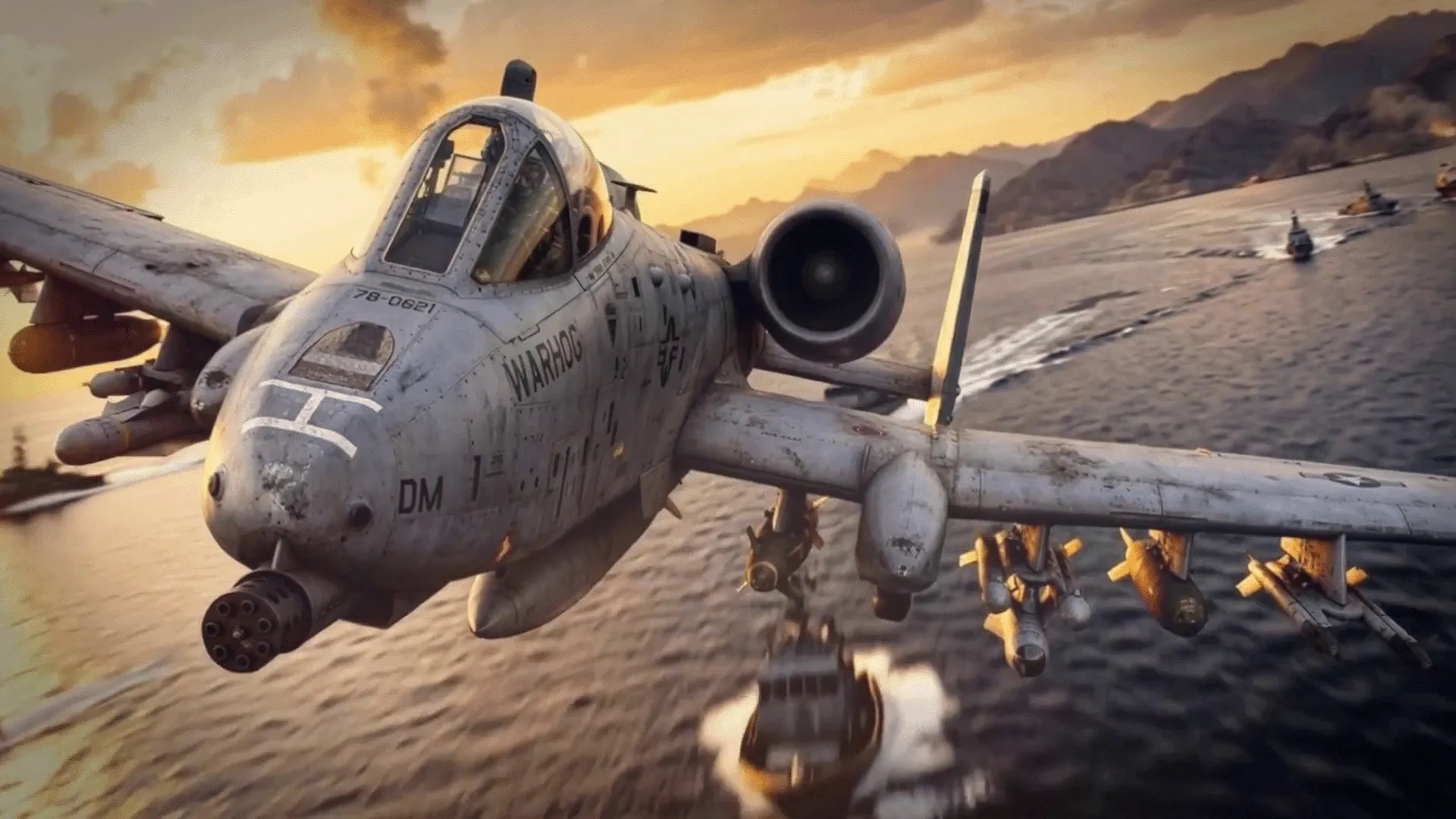
In recent hours, a new military operation has unfolded, with US A-10 and Apache aircraft carrying out their missions in the Arabian Gulf. These operations represent an unprecedented step in influencing the most tense developments in the region. This maneuver is attributed to the strategic importance of the Strait of Hormuz, considered one of the prominent maritime corridors through which nearly a fifth of global oil exports pass, making it a target for military threats from Iran.
Diverse reports, including a report from Al Jazeera, revealed that both aircraft have been utilized to secure military operations and support ground forces by providing air cover, in addition to conducting precision strikes. The A-10 aircraft boasts maneuverability and low altitude capabilities, making it relatively shielded from Iranian air defenses and highly efficient in targeting both ground and maritime objectives.
The new US military movements mark a turning point in the Pentagon's strategy in the region as the United States strives to mitigate Iranian threats to commercial vessel navigation. The A-10 is known for providing direct support to ground forces, having effectively neutralized fast boats and Iranian warships during military operations.
On the other hand, Apache helicopters have been deployed to intercept Iranian Shahed drones targeting strategic areas off the Iranian coast, in addition to destroying mine-laying boats. This helicopter has a speed of about 280 kilometers per hour and the capability to attack under challenging weather conditions.
This American escalation comes as part of a comprehensive plan aimed at securing freedom of navigation and protection from Iranian threats, as the Pentagon seeks to reduce the risk of attacks on merchant vessels in the strait, thereby giving Washington confidence to send its warships to escort commercial ships.
In a related context, it is expected that the utilization of these aircraft will provide adequate air cover during potential special ground operations, such as deploying Marines or special forces for operations deep within Iran focusing on nuclear facilities.
The increasing US presence in the Arabian Gulf region may also reflect the rising tensions between Washington and Tehran, adding a new layer of complexity to the ongoing crisis in the region. Iran, viewing the strait as a vital passage for its national security, may respond to these maneuvers by increasing its naval and military activity.
The geopolitical challenges surrounding the Strait of Hormuz may gain more attention, along with any impact such conflicts could have on regional security in general. Concerns about repeated incidents threatening or even attacking commercial vessels are growing, potentially prompting other countries to adopt more cautious stances.
In conclusion, the involvement of these two aircraft should be viewed as part of a broader military strategy encompassing all Iranian activities in the region that have caused heightened tensions. This US intervention could further complicate relations with Middle Eastern countries in general and underscores the necessity for dialogue and conflict resolution through diplomatic channels.