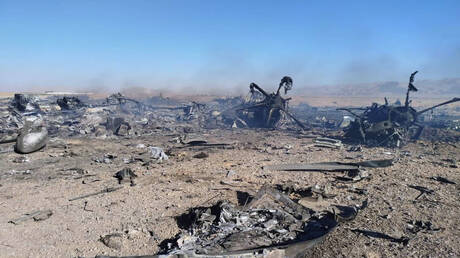
The Iran War Cost Tracker, which monitors the expenses of the U.S. military operation in Iran, has reported that the costs have exceeded $42 billion within 37 days since the operation began. These figures reflect the substantial financial burdens borne by the United States due to its military intervention, raising questions about the economic sustainability of such operations.
This cost is part of a series of U.S. military interventions in the Middle East, which often lead to exorbitant expenses both financially and in terms of human lives. These figures have raised concerns among many observers about the economic and political impact of this intervention on the United States itself and the region.
Details of the Operation
The U.S. military operation in Iran includes a range of military activities, including airstrikes and ground operations. These actions have been carried out in response to deteriorating security conditions in the region, necessitating effective military intervention. However, the costs of these operations raise questions about their effectiveness in achieving the desired objectives.
According to the tracker, the costs encompass direct military expenses, such as the purchase of weapons and munitions, in addition to logistical support and supply costs. There are also indirect costs related to compensations for injured soldiers and families of the deceased, further increasing the financial burden on the U.S. government.
Background & Context
Historically, the United States has engaged in multiple military interventions in the Middle East, ranging from the Gulf War in the 1990s to the wars in Iraq and Afghanistan. Each of these operations has incurred significant costs, contributing to the rising U.S. national debt and diminishing public confidence in the government's ability to manage financial resources effectively.
In recent years, tensions between the United States and Iran have escalated, leading to an increase in military operations. These actions have been part of a broader strategy aimed at containing Iranian influence in the region, but they come with high costs that impact the U.S. budget.
Impact & Consequences
The repercussions of these military operations extend beyond financial boundaries, affecting the United States' international relations. Military interventions often provoke negative reactions from other nations, increasing tensions and complicating diplomatic relations.
Moreover, these operations may exacerbate humanitarian crises in the region, causing population displacement and infrastructure destruction. This further complicates the security and economic situation in neighboring countries.
Regional Significance
The U.S. military operations in Iran directly impact neighboring Arab countries, contributing to heightened regional tensions. Countries like Iraq, Syria, and Lebanon are experiencing negative effects as a result of these operations, leading to increased instability in the region.
Additionally, these operations may lead to heightened sectarian and ethnic divisions within Arab countries, as extremist groups exploit these situations to enhance their influence. Thus, the high financial cost of the U.S. military operation in Iran is not merely a number; it reflects a complex reality that requires deep consideration of future strategies.