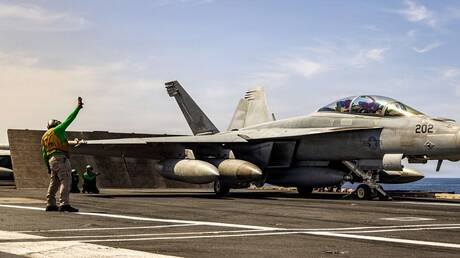
The Iran War Cost Tracker reveals that the cost of U.S. military operations against Iran has surpassed $30 billion. These figures reflect the significant financial dimensions of the ongoing conflict between the two parties, which has seen a notable escalation in recent years.
This cost includes a range of expenses, including direct military operations, support for allies, logistical costs, and the economic impact on the region. Reports indicate that these expenses could significantly affect the U.S. budget, raising questions about the feasibility of these operations.
Details of the Operations
The costs of U.S. military operations against Iran are distributed across several areas, including direct military expenses such as air sorties, special operations, and military equipment costs. They also include indirect expenses such as logistical support and training for local forces.
In recent years, tensions between the United States and Iran have intensified, leading to an escalation of military operations. These operations have intensified pressure on the Iranian government, but at the same time, they have drawn widespread criticism from many observers who argue that this strategy may be ineffective.
Background & Context
The roots of the conflict between the United States and Iran date back decades, with tensions beginning after the Islamic Revolution in Iran in 1979. Since then, relations between the two countries have experienced numerous fluctuations, including economic sanctions and proxy wars.
In recent years, these tensions have escalated significantly, especially following the U.S. withdrawal from the Iranian nuclear agreement in 2018. This withdrawal led to the imposition of new sanctions on Iran, exacerbating the conflict and increasing military expenditures.
Impact & Consequences
The repercussions of these military expenditures extend beyond the U.S. budget, affecting the United States' international relations. Rising military costs may lead to a reduction in resources allocated to other areas such as education and health, raising concerns among American citizens.
Moreover, these operations could exacerbate the humanitarian situation in Iran, where the country suffers from the effects of economic sanctions. The military escalation may also provoke unexpected reactions from Iran, increasing the likelihood of new conflicts in the region.
Regional Significance
The Arab region is a crucial part of the conflict between the United States and Iran, with Arab countries playing a pivotal role in regional balances. The escalation of tensions between the United States and Iran may affect security and stability in countries such as Iraq, Syria, and Lebanon.
Additionally, these military operations could lead to increased sectarian divisions in the region, complicating security situations further. Therefore, the cost of U.S. military operations against Iran is not just a matter of numbers; it reflects a broader conflict with serious implications for the entire region.
In conclusion, the cost of U.S. military operations against Iran remains a contentious issue, as the financial and political dimensions of these operations require careful examination. Understanding these dynamics can help shape future policies and enhance dialogue on how to achieve stability in the region.