For three decades, U.S. military officials have warned against the dangers of entering a war with Iran. These warnings come from seasoned professionals who have carefully studied the strategic landscape, not from generals fearing confrontation.
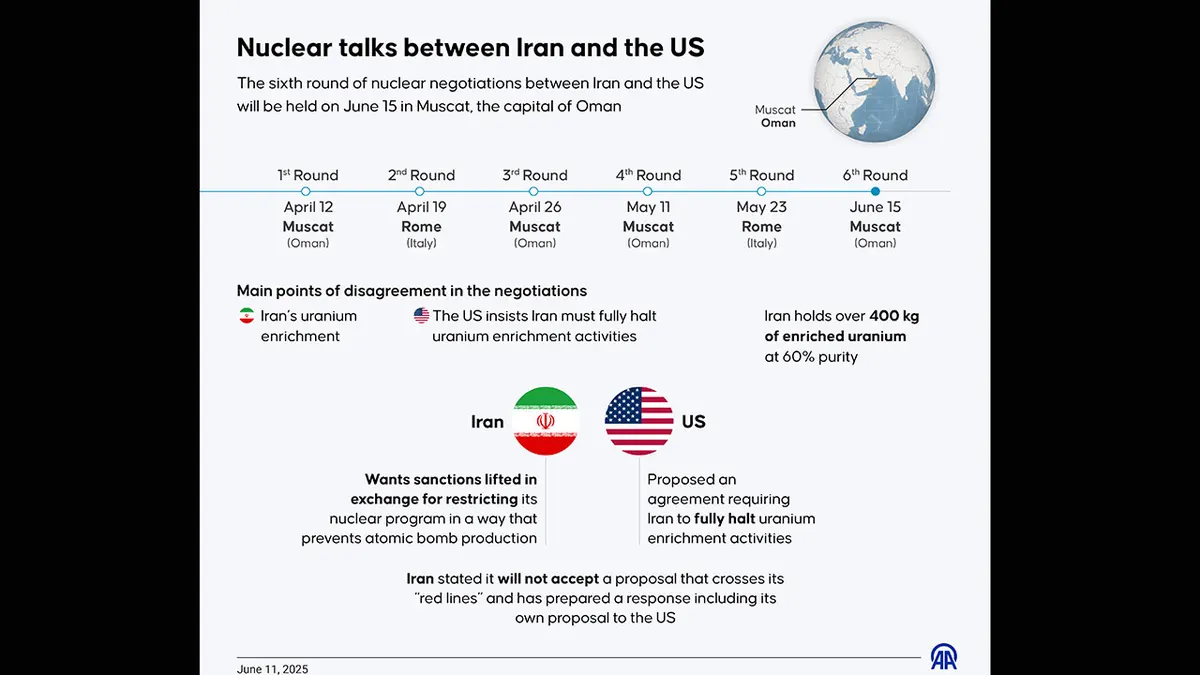
Tensions are escalating between Iran on one side and the United States and Israel on the other, raising concerns about the potential for military conflict. However, there seems to be a consensus among U.S. military personnel on the necessity of avoiding this scenario, as they believe that any war with Iran would have serious implications for regional and international security.
Details of the Situation
In recent years, relations between Iran and the United States have seen a notable escalation, particularly following the previous U.S. administration's withdrawal from the nuclear agreement in 2018. This withdrawal led to the reimposition of strict economic sanctions on Iran, further intensifying tensions. At the same time, Israel continues to carry out military operations against what it perceives as Iranian threats in the region, increasing the likelihood of escalation.
Despite these tensions, the U.S. military establishment continues to emphasize the importance of diplomacy as a means to resolve disputes. American generals believe that war with Iran would lead to widespread chaos, not only in the Middle East but in other parts of the world as well.
Context and Background
Historically, relations between Iran and the United States have been strained since the Islamic Revolution in 1979. Since then, the region has witnessed numerous conflicts and wars in which Iran has been a participant, making it a focal point of U.S. policies in the Middle East. As Iranian influence grows in Iraq, Syria, and Lebanon, American and Israeli concerns have intensified, prompting them to adopt more hardline stances.
In recent years, Iran has demonstrated its ability to bolster its military presence in the region, raising alarms among neighboring countries and the United States. Nevertheless, warnings against war come at a time when Iran is seeking to improve its relations with some Arab countries, reflecting a shift in regional politics.
Consequences and Impact
If a war with Iran were to break out, the consequences would be catastrophic on both regional and international levels. The war could lead to a spike in oil prices, impacting the global economy. Additionally, the conflict could draw other countries into the fray, complicating the security situation in the region.
Moreover, war would exacerbate humanitarian crises in neighboring countries like Iraq and Syria, which are already suffering from ongoing conflicts. There are also concerns that war could escalate sectarian tensions in the region, threatening stability in other nations.
Impact on the Arab Region
Arab countries neighboring Iran are in a constant state of vigilance regarding potential developments. War with Iran could have direct repercussions on the national security of these countries, especially those sharing borders with Iran. Any escalation could also affect relations between Arab states and Iran, complicating peace and stability efforts in the region.
Ultimately, the question remains: Will the United States heed military warnings and avoid entering into conflict with Iran, or will escalation continue? The absence of strategic calculations could lead to unforeseen outcomes, necessitating deep reflection before making any decisions that could have dire consequences.