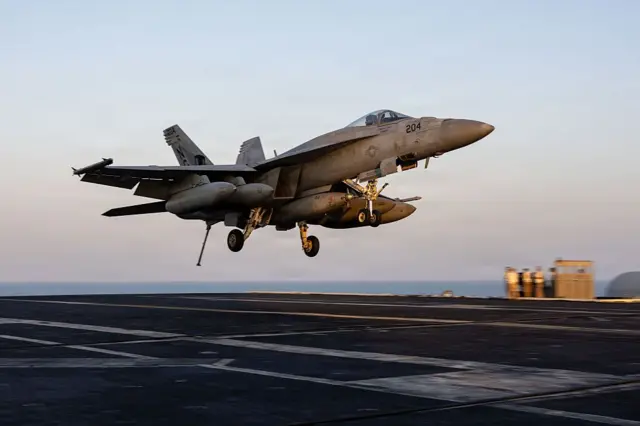
Recent statements by the U.S. President regarding the potential control of Iran's Kharg Island have raised numerous questions about Washington's intentions for military intervention in Iran. These comments come at a sensitive time, as the United States has sent several thousand troops to the Middle East in recent days, increasing fears of a possible military escalation in the region.
The U.S. military movements occur amidst growing tensions between Tehran and Washington, with concerns escalating that this could lead to a direct confrontation. With the objectives of deploying these forces remaining unclear, the pressing question is: Is the United States genuinely seeking to execute a ground military intervention in Iran?
Details of the Event
Recently, the U.S. President hinted at the possibility of controlling Kharg Island, a strategic island located in the Arabian Gulf and considered a vital launch point for naval operations. These statements have alarmed many observers, who view them as an indication of U.S. intentions for direct military intervention in Iran.
The deployment of U.S. forces to the region is part of bolstering the American military presence in the Middle East, with thousands of soldiers sent to military bases in neighboring countries. However, the nature of the missions assigned to these troops remains unclear, adding to the ambiguity surrounding the true objectives of these movements.
Background & Context
Historically, U.S.-Iran relations have been marked by increasing tensions, especially following Washington's withdrawal from the Iranian nuclear agreement in 2018. Since then, the United States has imposed strict economic sanctions on Tehran, exacerbating the economic and political conditions in Iran.
In recent years, the region has witnessed numerous events that have heightened tensions, including attacks on oil facilities in Saudi Arabia, which Iran has been accused of orchestrating. These incidents have prompted the United States to enhance its military presence in the area, increasing the likelihood of military escalation.
Impact & Consequences
If the United States decides to execute a ground military intervention in Iran, it could lead to serious repercussions on both regional and international levels. Such an intervention is likely to escalate the conflict in the region, potentially provoking military responses from Iran and its allies.
Moreover, this escalation could impact global oil prices, as Iran is one of the largest oil producers in the world. Any threats of military conflict could lead to rising oil prices, affecting the global economy as a whole.
Regional Significance
Arab countries are directly affected by any military escalation in the region. Neighboring countries to Iran, such as Iraq and those in the Arabian Gulf, may find themselves at the heart of the conflict, increasing the risks of instability in these nations.
Additionally, any U.S. military intervention could exacerbate sectarian divisions in the region, as extremist groups may exploit the situation to enhance their influence. Therefore, the situation in Iran directly impacts security and stability in the Arab region.
In conclusion, the situation in Iran remains under close observation, as U.S. military movements indicate a potential for escalation. However, the question of Washington's true intentions and whether it will proceed with ground intervention remains unanswered.