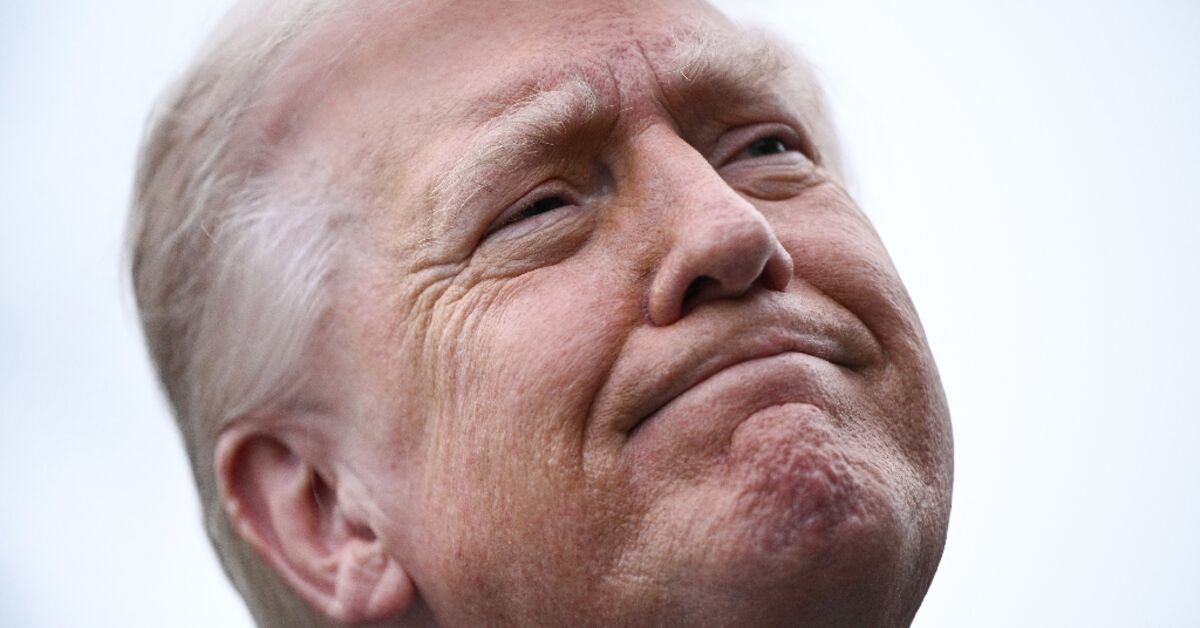
Events continue to unfold on the international stage as the war between Iran and the United States persists, leading to a crucial question: how long will this war last and what are the American objectives behind it? The answers to these questions have been provided by President Donald Trump in conflicting statements since military operations commenced three weeks ago, indicating a state of confusion within the U.S. administration in handling this conflict.
A notable escalation in the military situation in the Gulf occurred after the United States and Israel launched their attacks on Iran on February 28, with Iran retaliating through drone strikes and missile attacks. In a statement to the New York Times, Trump acknowledged an intention to continue the war for four to five weeks, raising concerns within the international community about the potential outcomes.
Details of the Event
These statements come at a time when the region is suffering from historical tensions, as both the United States and Iran seek to assert their power. The Iranian attacks targeting strategic facilities in Gulf countries represent a reaction to the American military presence, illustrating the complex landscape of the Middle East.
American decisions have fluctuated between maintaining its strategic interests and avoiding entanglement in long-term conflicts, as reflected in Trump's contradictory statements. While he announced a specific timeframe for the war, he has also indicated the need to confront the Iranian threat that must be addressed.
Background & Context
U.S.-Iranian relations have significantly deteriorated since Washington's withdrawal from the nuclear agreement in 2018, which had embraced a policy of dialogue and tension reduction. With the current escalation and the involvement of allies, it appears that the conflict has entered a new phase of crisis, with both the United States and Iran receiving political and military support from their allies, complicating the situation further.
In recent days, numerous statements have been recorded from both sides regarding preparations for military operations, demonstrating the continuity and rapid flow of information, reflecting the importance of considering the current war as part of Iran's emergence as a key player in the Middle East, as it joins the competing powers on the regional stage.
Impact & Consequences
This explosive situation has led to heightened economic and environmental tensions in the region. The statements and tensions are affecting financial markets and could drive up oil prices, consequently impacting the global economy. Both Trump and Iran are betting on improving their strategic positions, making it difficult to predict the war's conclusion in the near future.
This conflict has far-reaching implications for regional and international security, as escalations occur increasingly in the absence of a clear strategy from either side. The international community needs to work on mediating conflicts rather than exacerbating them, especially since the Iranian state is at the heart of future conflicts, seeking to gain greater influence in the region.
Regional Significance
Considering the repercussions of these conflicts, the surrounding Arab countries are living in constant anxiety over the possibility of military escalation that could negatively impact their stability. These events are occurring within the context of occupation and conflicting interests, diminishing the chances for dialogue.
Jordan, Saudi Arabia, and the United Arab Emirates have become increasingly concerned about the potential for the conflict to escalate into a full-scale war in the Gulf region, which could lead to a new wave of refugees, in addition to affecting national economies and vital resources. It is crucial for Arab countries to play a role in resolving existing disputes to safeguard their interests and national security.