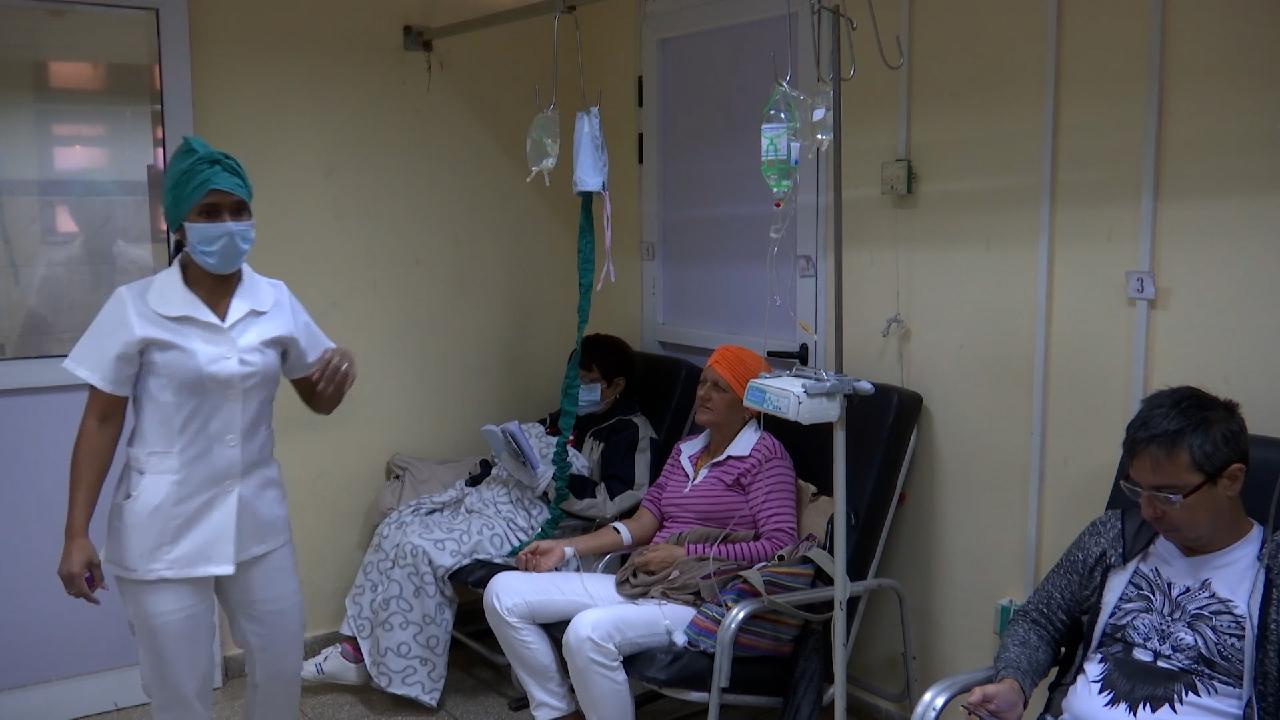
Cuba is currently under increasing pressure on its healthcare system due to the oil embargo imposed by the United States, leading to a severe shortage of fuel essential for operating hospitals and health facilities. This situation negatively affects the country's ability to provide necessary healthcare to its citizens, especially during a time when it is grappling with multiple health crises.
The embargo, which has lasted for decades, has intensified in recent years as restrictions on oil supplies to Cuba have increased. Cuban officials have indicated that this embargo hinders their ability to import medicines and medical equipment, further increasing patient suffering and weakening the overall healthcare system.
Details of the Crisis
Cuba is currently facing an unprecedented medical crisis, with reports indicating that many hospitals are experiencing acute fuel shortages, hampering their ability to operate vital medical equipment. Additionally, the fuel shortage affects medical transportation services, making it difficult to transfer patients to hospitals in a timely manner.
Under these circumstances, citizens are suffering from the outbreak of chronic and viral diseases, as hospitals are unable to cope with the increasing number of patients. Doctors have noted that the situation has become more complicated due to the lack of essential medicines, which increases the risk of disease outbreaks.
Background & Context
Historically, the United States has imposed an economic embargo on Cuba since 1960, significantly affecting all aspects of life in the country, including the healthcare system. Despite Cuba's attempts to develop its healthcare system, the ongoing embargo has made it difficult to achieve significant progress.
In recent years, Cuba has seen improvements in relations with some countries; however, the U.S. embargo remains a major barrier to development. This situation has led to a deterioration of economic and social conditions, impacting the quality of life for citizens.
Impact & Consequences
The repercussions of the U.S. oil embargo extend beyond Cuba, affecting the stability of the entire region. As humanitarian crises increase, there may be growing pressure on neighboring countries to accept refugees or provide humanitarian assistance.
Moreover, the deteriorating health situation in Cuba could lead to the spread of diseases, posing a public health threat to the region. International organizations have warned that the continuation of the embargo could have dire consequences for public health, necessitating urgent intervention from the international community.
Regional Significance
Although Cuba is geographically distant from the Arab region, the humanitarian and health crises it faces may raise concerns among Arab nations. The Arab region has witnessed numerous health crises due to conflicts and embargoes, making it essential to learn from other experiences.
Furthermore, international support for Cuba could enhance cooperation between Arab countries and Cuba, potentially leading to an exchange of expertise in health and development fields.
In conclusion, the U.S. oil embargo on Cuba remains a humanitarian issue that requires international attention. As health crises escalate, it becomes crucial for international efforts to unite in ending this embargo and providing the necessary support to the Cuban people.