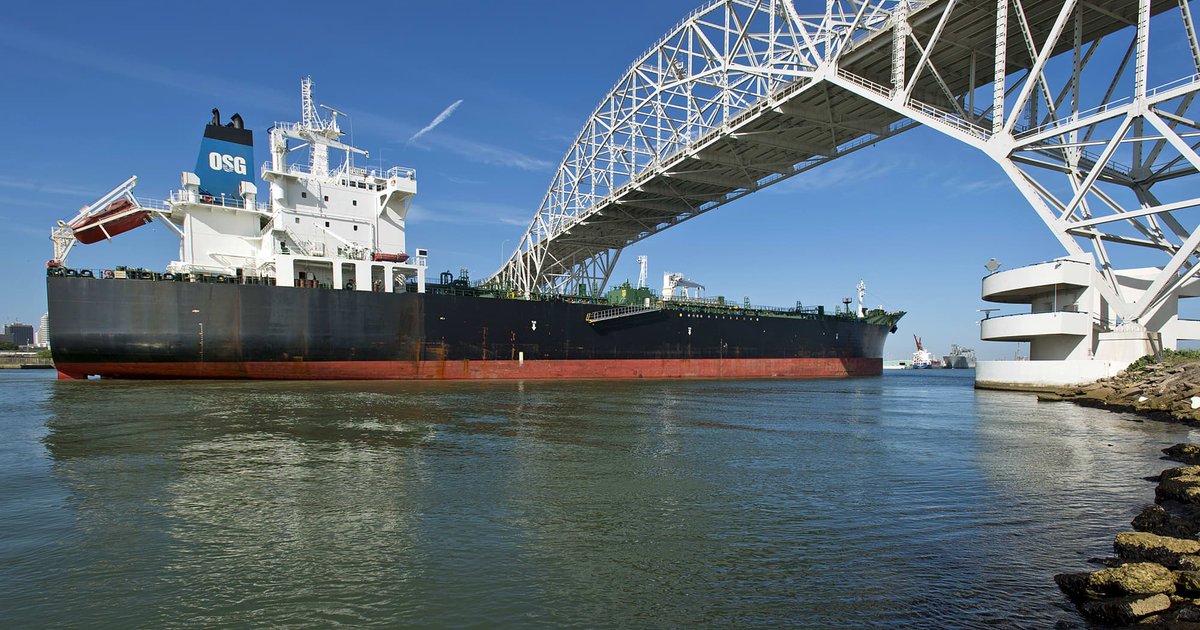
U.S. oil shipments have reached Greece for the first time in four years, as refiners seek alternatives to crude oil from the Middle East. This development comes amid rising demand for alternative energy sources, reflecting changes in the dynamics of the global energy market.
These shipments signify a strategic shift in the oil market, as European refiners aim to reduce their dependence on traditional crude oil from the Middle East, which has experienced significant price and policy fluctuations. Reports indicate that these shipments are part of efforts to secure more stable and reliable supplies.
Details of the Event
In recent weeks, U.S. oil shipments have begun arriving at Greek ports, marking a notable shift in supply strategies. Sources within the oil industry have confirmed that these shipments are part of European refiners' efforts to obtain more diverse alternatives, especially given the geopolitical tensions affecting traditional oil supplies.
This move coincides with an increase in demand for U.S. oil in global markets, where American oil has become more competitive in terms of price and quality. Data has shown that U.S. oil exports to Europe have seen a significant rise, reflecting a shift in consumer preferences.
Background & Context
Over the past few years, crude oil from the Middle East has been the primary energy source for Europe. However, political tensions and conflicts in the region have raised concerns about supply stability. In this context, refiners have begun searching for alternative sources, making U.S. oil an attractive option.
Historically, the United States relied on importing oil from abroad, but with increased domestic production, it has now become one of the largest exporters in the world. This shift in production has contributed to changing power dynamics in the global oil market.
Impact & Consequences
This move has significant implications for the global oil market. Firstly, an increase in U.S. oil exports may reduce dependence on crude oil from the Middle East, potentially affecting global prices. Additionally, this shift could enhance trade relations between the United States and Europe.
Moreover, the rising demand for U.S. oil may bolster the United States' ability to influence global energy policies. However, this transition may face challenges, including the need to develop the necessary infrastructure to transport oil effectively to European markets.
Regional Significance
Considering the impact of this shift on the Arab region, an increased reliance on U.S. oil could lead to a decrease in demand for crude oil from Arab countries, potentially affecting their economies. At the same time, this shift may increase competition among oil-producing countries in the region.
Ultimately, the flow of U.S. oil to Greece represents a significant change in the global energy market, as refiners seek to secure more stable and reliable supplies. This transition may open new avenues for trade cooperation between the United States and Europe, but it also raises questions about the future of the traditional oil market in the Arab region.