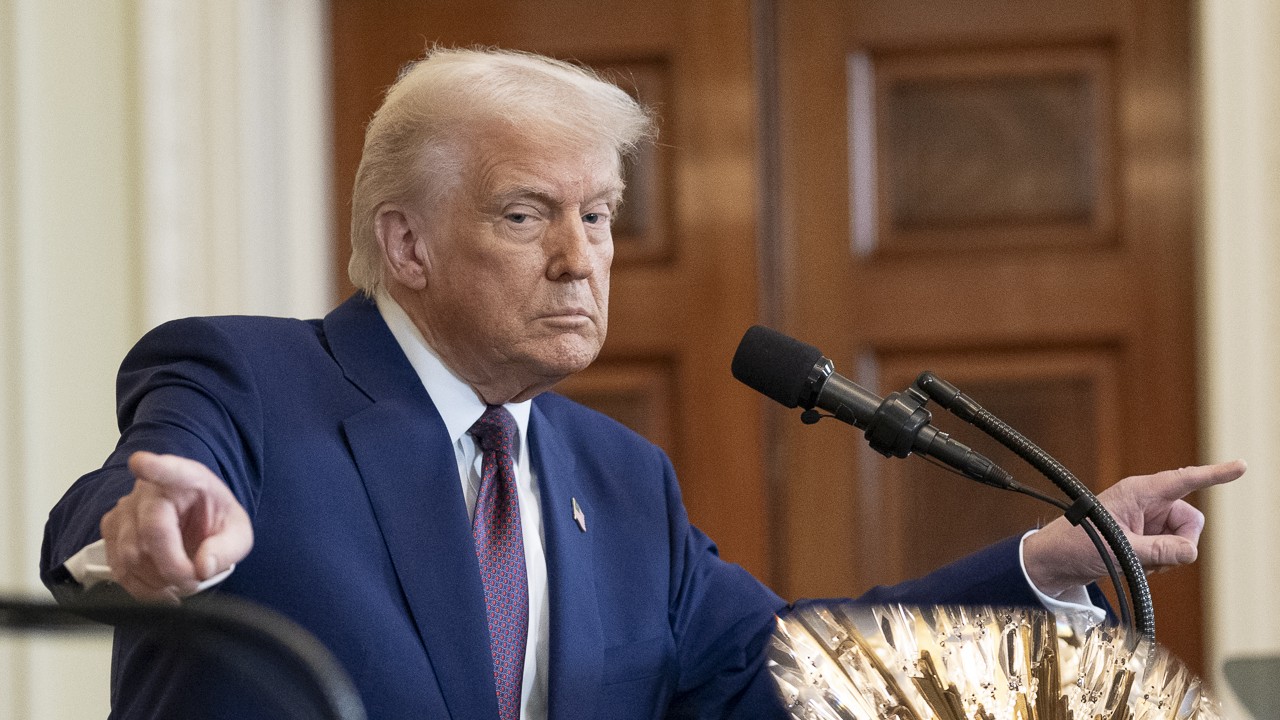
President Donald Trump has announced the United States' intention to take effective measures to alleviate congestion in the Strait of Hormuz, which is one of the most important maritime corridors in the world. This statement comes in light of escalating tensions in the region, where the strait serves as a vital artery for the transport of oil and natural gas.
This initiative coincides with increasing international concerns regarding maritime security in the strait, which has witnessed repeated incidents involving commercial vessels. This announcement reflects the United States' commitment to supporting maritime security and ensuring the flow of vital supplies.
Details of the Announcement
During a press conference, Trump confirmed that the U.S. administration will work with its allies to coordinate efforts aimed at improving the situation in the Strait of Hormuz. He indicated that these measures include enhancing cooperation with concerned countries and providing logistical and technical support to ensure the safety of passing vessels.
Trump also clarified that the United States will bolster its military presence in the region, contributing to deterring any threats that may face commercial ships. This announcement comes at a sensitive time, as tensions between Iran and the United States have intensified, impacting maritime traffic in the strait.
Background & Context
The Strait of Hormuz is a critical transit point for approximately 20% of the world's total oil supply, making it a major hub for the global economy. For decades, the strait has experienced recurring tensions due to regional conflicts, including the dispute between Iran and the United States.
In recent years, military activities in the region have increased, leading to heightened tensions. The area has seen several incidents, including attacks on oil tankers, raising international concerns about maritime security.
Impact & Consequences
The new U.S. measures may lead to an improvement in security conditions in the strait, thereby boosting confidence among companies and investors in their investments in the region. However, an increased military presence could provoke reactions from Iran, potentially escalating tensions further.
This move is part of a broader U.S. strategy aimed at enhancing security in the Gulf region, which could impact global oil prices and international trade flows.
Regional Significance
The Gulf Arab states, particularly those reliant on oil exports, are among the most affected by the situation in the Strait of Hormuz. Any escalation in tensions could directly impact Gulf economies and increase instability in the region.
Furthermore, enhancing security in the strait could contribute to stabilizing oil markets, benefiting oil-producing Arab nations. However, these countries must remain vigilant regarding any developments that may affect their interests.
In conclusion, Trump's announcement of plans to alleviate congestion in the Strait of Hormuz reflects the United States' commitment to maritime security in this vital region. Amid rising tensions, the question remains about how these steps will affect regional relations and security.