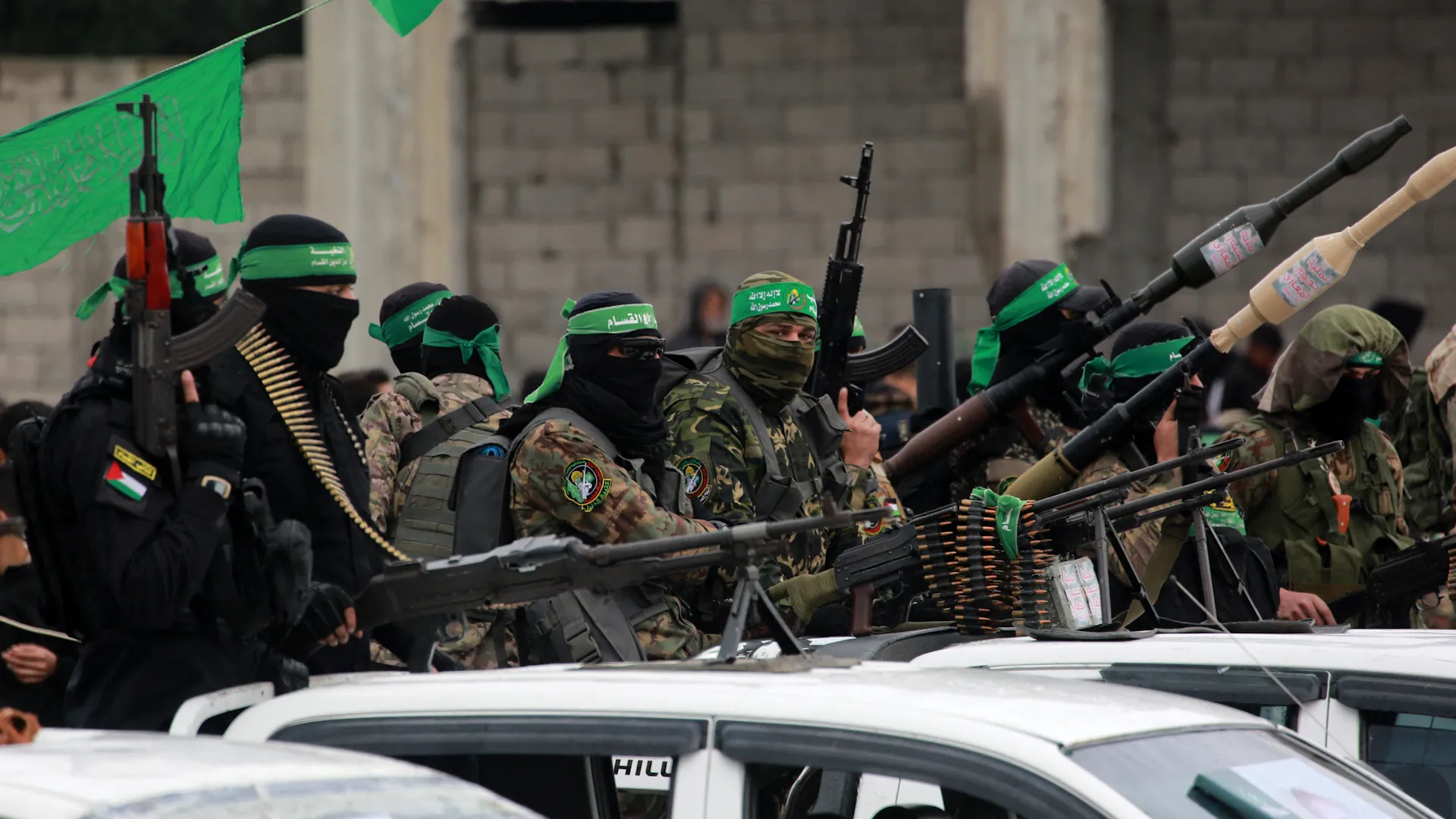
Amid escalating pressure from the United States, Hamas maintains its refusal to disarm its military wing, despite the political wing's willingness to engage in dialogue. Washington is striving to set a strict timeline for the reconstruction of the Gaza Strip, complicating the situation in the region.
These developments occur at a sensitive time, with growing international calls for a permanent solution to the crisis in Gaza. While Hamas's political wing appears ready to negotiate, the military wing insists on its stance against disarmament, raising questions about the feasibility of reaching a comprehensive agreement.
Details of the Situation
Reports indicate that the United States is working to impose new conditions regarding the reconstruction of Gaza, with one of the main conditions being the disarmament of Hamas. Although the political wing of the movement has shown some flexibility in dialogue, the military wing believes that disarmament would weaken their position against Israeli threats.
This stance reflects internal tensions within Hamas, where opinions vary among different wings on how to handle external pressures. At the same time, Israel continues its military operations in the region, further complicating the security situation.
Background & Context
Hamas was founded in 1987 as part of the Palestinian uprising against Israeli occupation. Since then, the movement has become a key player in the Israeli-Palestinian conflict. Over the years, Hamas has undergone shifts in its strategies, attempting to adapt to changing political circumstances.
In recent years, Hamas has faced significant challenges, including the blockade imposed on Gaza and international pressures. Nevertheless, the movement still retains its military capabilities, making it an entity that cannot be overlooked in any future negotiations.
Impact & Consequences
If Hamas continues to refuse disarmament, this could escalate tensions with Israel, increasing the likelihood of a new round of violence. Additionally, the failure to reach an agreement may hinder reconstruction efforts in Gaza, exacerbating the deteriorating humanitarian conditions there.
On the other hand, these developments may affect Hamas's relations with other Arab countries, as some nations seek to bolster peace efforts in the region. Should Hamas maintain its refusal, it might find itself isolated from some traditional allies.
Regional Significance
The Palestinian issue is considered one of the central concerns in the Arab world, and any escalation in Gaza could impact stability in neighboring countries. Furthermore, the ongoing conflict may lead to an influx of refugees into neighboring states, increasing the economic and social burdens on these nations.
Ultimately, the situation in Gaza remains a significant focus for the international community, with many parties seeking to find lasting solutions to the conflict. However, the differing positions within Hamas may complicate peace efforts and delay the achievement of stability in the region.