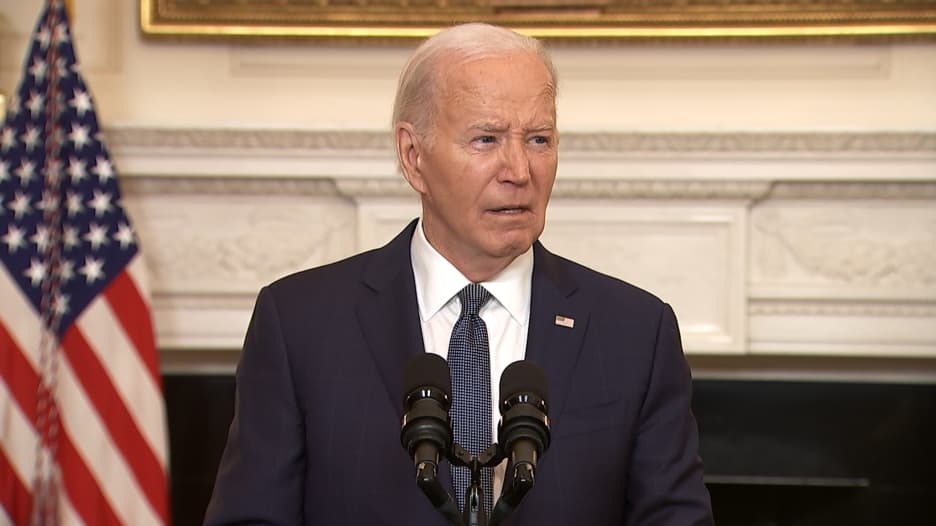
In a new step towards ending the ongoing conflict, the U.S. administration sent a 15-point proposal through intermediaries last Monday, aimed at initiating negotiations in Pakistan to reach a comprehensive agreement to end the war. This proposal has sparked mixed reactions; some view it as a positive step towards peace, while others consider it merely an attempt to alleviate international pressures.
Following this announcement, there was a notable decrease in oil prices, with the price per barrel falling, while the value of the U.S. dollar increased. Some estimates suggest that the war may be nearing its end, but the reality on the ground remains complex.
Details of the Proposal
The U.S. proposal includes a set of points aimed at addressing the core issues that led to the outbreak of the war. This includes commitments from the involved parties to cease hostilities and establishing mechanisms to monitor the implementation of the agreement. The proposal also invites participation from other influential countries in the region, indicating Washington's desire to broaden the dialogue.
Despite these steps, reactions remain varied. While some political leaders in the region welcomed the proposal, others deemed it insufficient, pointing out that root solutions require a deeper addressing of humanitarian and political issues.
Background & Context
These developments come at a time when the region is suffering from multiple crises, as the ongoing war has exacerbated humanitarian conditions and increased the number of displaced persons and refugees. These crises have significantly impacted the regional economy, prompting many countries to seek diplomatic solutions.
Historically, the region has witnessed multiple attempts to end conflicts, but most have not achieved the desired results. Therefore, this U.S. proposal represents a new opportunity, but its success depends on the willingness of the involved parties to cooperate and reach compromises.
Impact & Consequences
If the U.S. proposal is accepted, it could lead to radical changes in the political and economic landscape of the region. The drop in oil prices may help alleviate economic pressures on oil-importing countries, while the rise in the dollar's value could affect international trade.
However, the continuation of the war or failure of negotiations could exacerbate conditions and increase tensions among the involved countries, negatively impacting regional stability.
Regional Significance
Arab countries are directly affected by the repercussions of this war, as any progress in negotiations could contribute to regional stability and enhance opportunities for cooperation among Arab nations. Additionally, ending the war could open the door for reconstruction efforts, contributing to improvements in economic and social conditions.
In conclusion, the question remains: Will diplomacy succeed in ending this ongoing war, or will conditions remain unchanged? Achieving lasting peace requires a concerted effort from both international and local stakeholders.