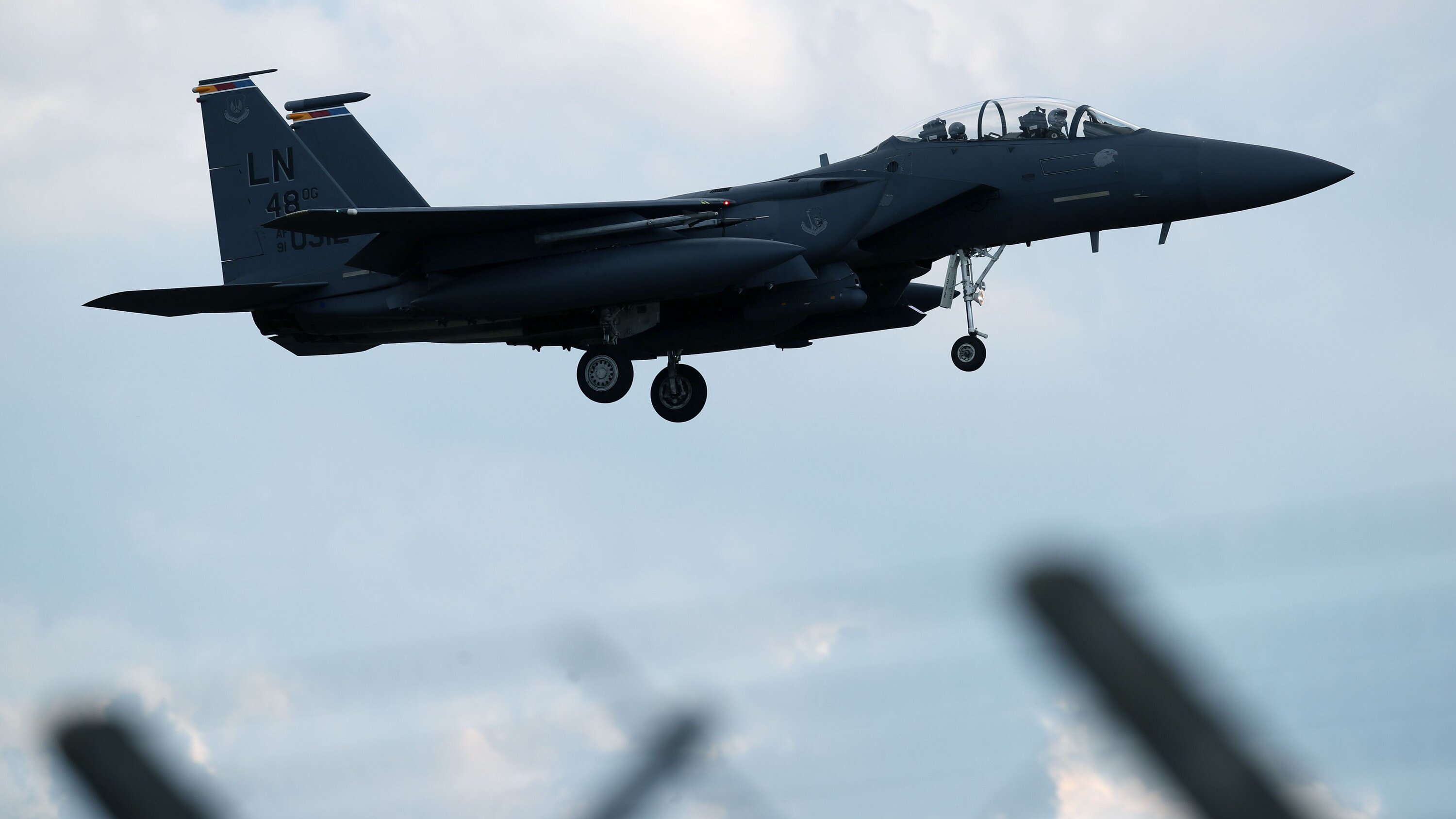
The United States of America has announced its decision to reduce the number of its troops in Germany, with plans to withdraw several thousand soldiers. This decision comes at a sensitive time, as tensions rise between Washington and its NATO allies, particularly after some countries have refused to provide support for U.S. efforts in its war against Iran.
This move is part of a broader strategy aimed at reassessing the U.S. military presence in Europe, which has seen significant changes in recent years. The United States, which had bolstered its military presence in the region over the past few years, is now seeking to redistribute its forces in light of new challenges it faces.
Details of the Decision
According to U.S. officials, the withdrawal of troops from Germany is part of Washington's efforts to reduce military costs and enhance its ability to move quickly to other regions. There are also indications that additional troop withdrawals from Spain and Italy may be on the horizon, further escalating tensions within NATO.
This decision also reflects U.S. dissatisfaction with certain NATO member states, which have not responded positively to Washington's calls for increased defense spending or military support in regional conflicts.
Background & Context
Historically, the United States has maintained a significant military presence in Germany since the end of World War II, with the country serving as a strategic hub for American forces in Europe. However, geopolitical changes, including rising threats from Iran and Russia, have prompted Washington to reconsider its military strategy.
In recent years, relations between the United States and its European allies have become increasingly strained, with Washington criticizing several countries for not meeting required defense spending commitments. These dynamics affect NATO's ability to operate as a cohesive unit in the face of global challenges.
Impact & Consequences
This decision is expected to have significant repercussions on U.S. relations with NATO countries. The reduction of troops may increase doubts about Washington's commitment to the security of its allies, raising concerns among European nations that rely on American support to address security threats.
Furthermore, the withdrawal of troops could create opportunities for other nations to enhance their military presence in the region, complicating the security landscape in Europe. This situation may contribute to heightened tensions among major powers, especially amid rising tensions with Iran.
Regional Significance
The Arab region is directly affected by these developments, as escalating tensions between the United States and Iran could lead to intensified conflicts in the Middle East. Arab nations may find themselves in a difficult position, needing to balance their relationships with Washington and their security needs.
Additionally, the reduction of U.S. forces in Europe may prompt Arab countries to reassess their strategies for dealing with regional threats, potentially impacting security and stability in the region.
The U.S. decision to reduce its troops in Germany reflects the complex challenges facing American foreign policy and underscores the need to reevaluate security strategies amid rapidly changing geopolitical dynamics.