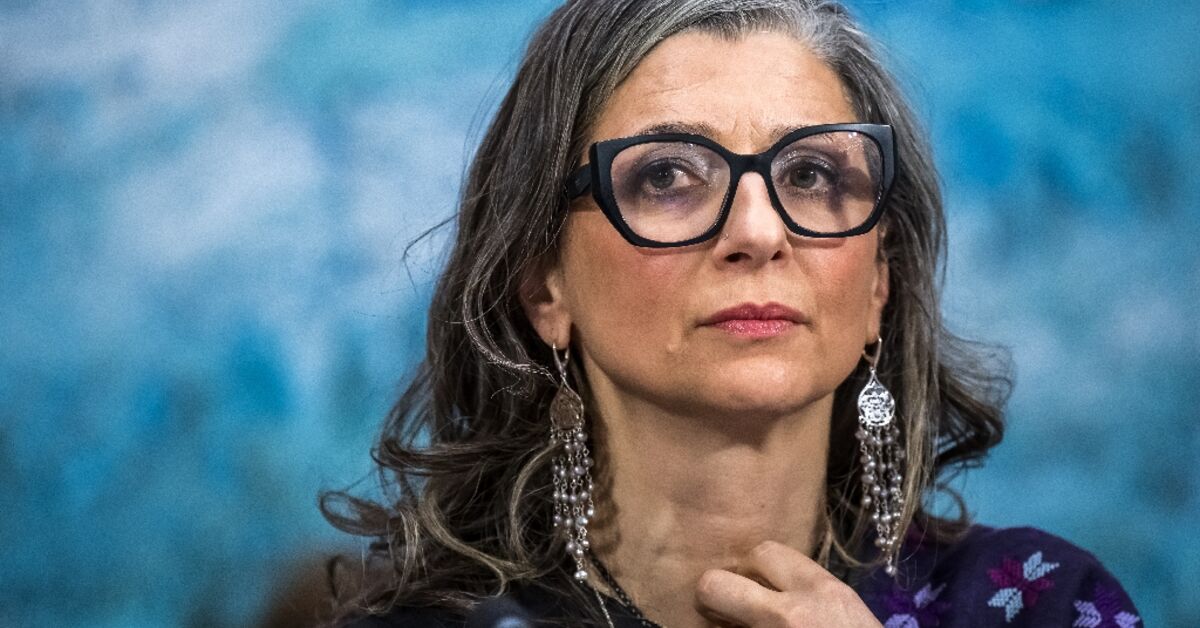
In a controversial move, the United States has reinstated sanctions against Francesca Albanese, the UN expert on Palestinian territories, on Wednesday. This decision came after a US appellate court overturned a prior ruling that had blocked the imposition of these sanctions. This action is seen as part of the US policy towards individuals who openly criticize Israel.
Information published on the US Department of the Treasury's website indicates that the sanctions imposed on Albanese include her being placed on a global blacklist, meaning she will be unable to use credit cards or conduct any banking transactions. This measure reflects the growing tensions between the US and certain international figures who adopt critical stances towards Israeli policies.
Details of the Event
These sanctions come at a sensitive time, as international criticism of Israel has increased due to its policies in the Palestinian territories. Albanese is known for her strong positions against the violations faced by Palestinians, making her a target for criticism from pro-Israel entities. The sanctions imposed on her also reflect the current US trend of supporting the Israeli government while tightening the noose on dissenting voices.
It is noteworthy that this is not the first time sanctions have been imposed on international figures due to their positions on Israel. In recent years, similar sanctions have been placed on several activists and experts who criticized Israeli policies.
Background & Context
Historically, the United States has significantly supported Israel, both through military and political aid. However, the increasing international criticism regarding human rights in the Palestinian territories has led to new voices calling for a reassessment of this support. Albanese, as a human rights expert, represents part of this international effort to demand justice for Palestinians.
In recent years, we have witnessed a rise in solidarity movements with Palestinians, such as the BDS (Boycott, Divestment, Sanctions) movement, which aims to pressure Israel to end its occupation. These movements could have significant impacts on international policies, including US policies.
Impact & Consequences
The reinstatement of sanctions on Albanese is a step that could escalate tensions between the United States and countries that support Palestinian rights. It may also affect the work of the United Nations in this context, as it could lead some countries to withdraw support for resolutions related to human rights in the Palestinian territories.
Furthermore, this move may bolster the position of groups advocating for a boycott of Israel, as the sanctions will be viewed as evidence of intolerance towards criticisms of Israeli policies. At the same time, it could enhance support for Albanese from human rights organizations that see this action as a violation of freedom of expression.
Regional Significance
These events are of great importance to the Arab region, as they reflect the ongoing tensions between major powers and Palestinian rights. The sanctions imposed on Albanese may prompt more Arab figures and countries to reassess their positions on Israel and call for bolder steps in support of the Palestinian cause.
Ultimately, the Palestinian issue remains one of the most complex issues in the world, and events like the imposition of sanctions on Albanese continue to highlight the challenges this issue faces on the international stage.