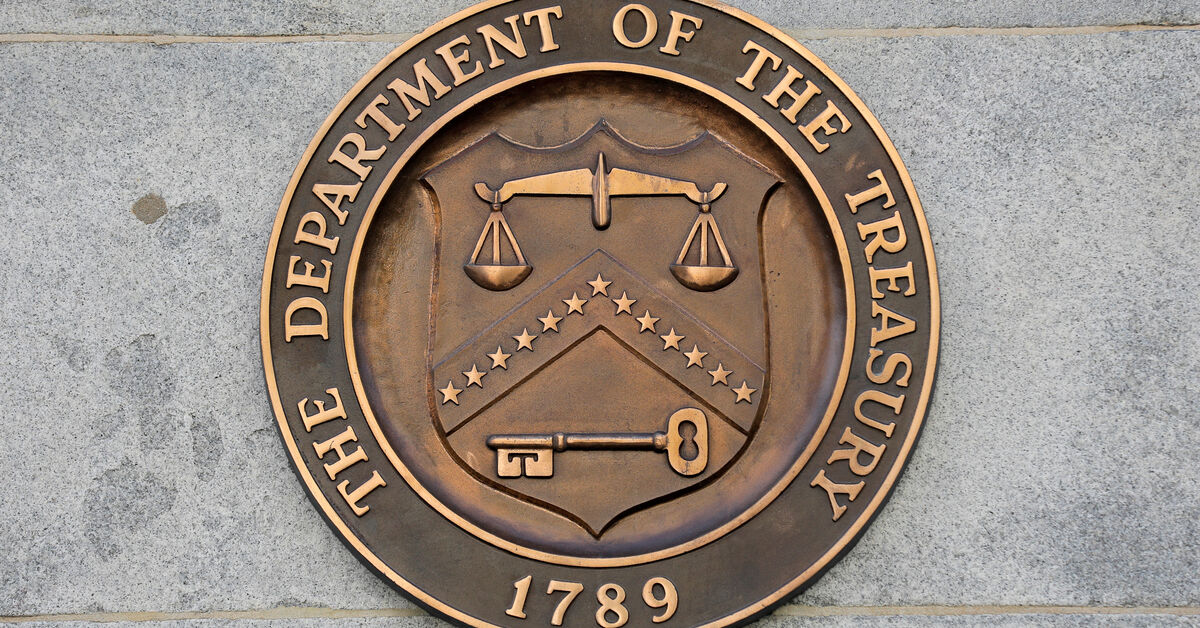
The U.S. Treasury Department announced on May 28 the removal of 76 names from its sanctions list, including individuals, ships, and entities, indicating that these names had become outdated and no longer reflected the current situation. This move aims to enhance the program's effectiveness by focusing on high-risk and complex targets, facilitating American companies' operations in a more flexible business environment.
The department reported receiving complaints from companies that had to spend significant resources screening low-risk targets. In some cases, targets such as financial networks were no longer operational, or individuals who had been sanctioned had passed away. These changes are part of the U.S. government's efforts to reduce burdens on businesses and promote transparency.
Details of the Announcement
This step is part of a broader strategy aimed at improving the effectiveness of U.S. sanctions. The Treasury Department seeks to focus on more complex targets that pose real threats to national security. By removing outdated names, the department hopes to lessen the administrative burden on companies, allowing them to allocate their resources more effectively.
The department also confirmed that these changes would not impact efforts to combat sanctions evasion but would enhance them by directing attention to more significant targets. This initiative is also a response to changes in the global economic landscape, where American companies face increasing challenges in international markets.
Background & Context
Historically, economic sanctions have been a key tool used by the United States to pressure countries or individuals it considers threats. However, periodically updating these lists has become essential to ensure that sanctions are not imposed on entities that no longer pose a risk. In recent years, the U.S. has faced criticism regarding the ineffectiveness of some sanctions, prompting a reevaluation of its strategies.
It is noteworthy that U.S. sanctions have impacted many countries and companies worldwide, leading to widespread economic repercussions. Thus, updating the lists reflects the U.S. government's commitment to adapting to changing circumstances.
Impact & Consequences
The Treasury Department anticipates that this move will improve trade relations between the United States and other countries. By removing outdated names, American companies can operate more efficiently, enhancing their competitiveness in global markets. Additionally, this step may contribute to improving the United States' image as a supporter of free trade.
On the other hand, this action may raise questions about how to determine which targets should remain under sanctions. It requires a delicate balance between protecting national security and promoting economic growth.
Regional Significance
For the Arab region, these changes may affect economic and trade relations with the United States. This step could open avenues for Arab companies to collaborate with their American counterparts in various fields, enhancing investment and trade opportunities.
Moreover, improving the effectiveness of sanctions may impact countries facing U.S. sanctions, potentially leading them to reassess their economic and political strategies.
In conclusion, the removal of 76 names from the U.S. sanctions list represents a significant step towards enhancing the program's effectiveness, allowing American companies to operate more efficiently. However, challenges remain, and continuous monitoring is required to ensure that the desired objectives are achieved.