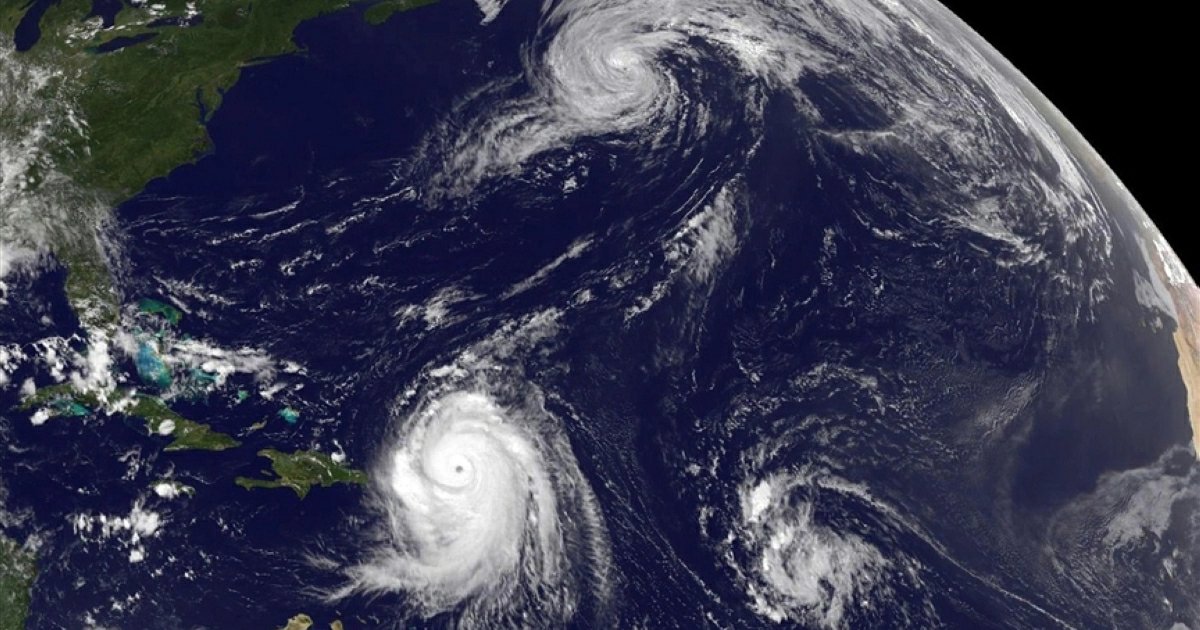
The United States has asked satellite companies to restrict the distribution of images from the Iranian conflict zone, according to a report published by the Wall Street Journal. Planet Labs confirmed that it would adopt a managed access model for images, sharing them on a case-by-case basis, only in urgent situations or for the public good.
A spokesperson for the company stated that the U.S. government has requested satellite companies to indefinitely delay the distribution of images from the conflict area, indicating that the revised policy will remain in effect until the war concludes. Planet has already reduced its issuance of images from the region, citing concerns about data exploitation by U.S. adversaries.
Details of the Request
This move comes at a time when high-resolution satellite imagery is becoming increasingly important, as satellite companies provide their services to a wide range of clients, including private sectors such as agriculture and insurance. U.S. national security agencies are among the largest clients for this data, granting the government significant influence over how satellite companies manage access to information during conflicts.
Additionally, Vantor, a company working with U.S. national security agencies, has tightened oversight on image distribution during the war, partly due to the sensitivity of its high-resolution images. These developments occur as tensions escalate between the United States and Israel on one side and Iran on the other, with the conflict now entering its sixth week.
Background & Context
Historically, U.S.-Iran relations have seen increasing tensions, especially following the U.S. withdrawal from the Iranian nuclear deal in 2018. Since then, the U.S. has imposed stringent economic sanctions on Iran, exacerbating the conflict. The recent dispute involving the U.S., Israel, and Iran reflects rising tensions in the region, as the U.S. seeks to diminish Iran's influence in the Middle East.
This action by the United States is part of a broader strategy to control sensitive information that could be used against it or its allies. In this context, the U.S. request to block satellite images underscores the importance of intelligence information in modern conflicts.
Impact & Consequences
This step highlights the significance of information in modern military conflicts, where satellite images can greatly influence the course of events. Blocking these images may prevent adversaries from obtaining vital information that could be used for military planning or intelligence operations.
This request also reflects how modern technology impacts conflicts, as information is increasingly viewed as a weapon in its own right. Under these circumstances, satellite companies may move towards enhancing their privacy and security policies, which could affect how they engage with clients in the future.
Regional Significance
These developments are particularly significant for Arab countries, as the U.S.-Iran conflict may directly impact regional stability. Escalating tensions could increase pressure on Arab nations, especially those sharing borders with Iran or having economic and political interests in the region.
Moreover, the blocking of information could affect Arab countries' ability to make informed decisions regarding regional security. In light of these circumstances, Arab nations must enhance their intelligence and technological cooperation to address the growing challenges in the region.