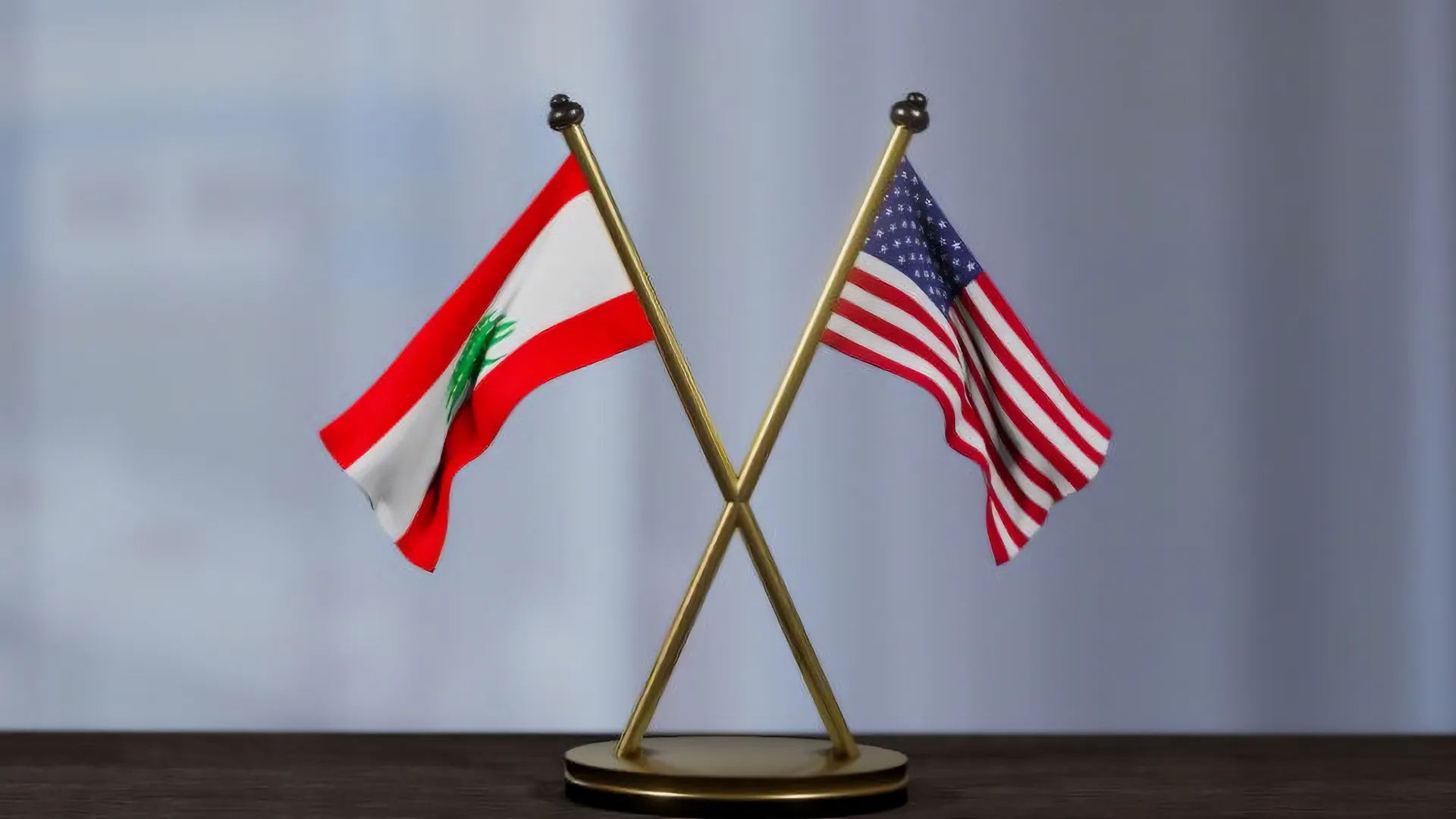
In a new move by the US administration, the Treasury Department has imposed sanctions on nine prominent figures in Lebanon, including members of Hezbollah and the Amal Movement, as well as officers in the Lebanese Army and General Security, and the Iranian ambassador in Beirut. These sanctions are part of Washington's efforts to pressure Hezbollah and weaken its influence in Lebanon.
The sanctions target political and security figures, highlighting the existing tension between the United States and Hezbollah, which Washington designates as a terrorist organization. This step reflects the continuation of US policy in countering Iranian influence in the region, as Washington considers Hezbollah a threat to regional security.
Details of the Sanctions
The new US sanctions target nine individuals, including well-known figures in Hezbollah and the Amal Movement, and are considered part of a broader strategy aimed at reducing Hezbollah's operational capacity in Lebanon. Among the names listed are officers in the Lebanese Army and General Security, raising questions about the impact of these sanctions on Lebanese security institutions.
The Iranian ambassador in Beirut has also been included in the sanctions list, reflecting the close relationship between Iran and Hezbollah. This move could exacerbate tensions between Lebanon and the United States, especially amid the economic and political crises facing Lebanon.
Background & Context
Historically, Lebanon has witnessed multiple external interventions, with Hezbollah playing a prominent role in the Lebanese conflict. Since its establishment in the 1980s, Hezbollah has become an influential political and military force, leading to heightened tensions with the United States and Israel. Previous US sanctions aimed to diminish the party's influence, but it seems these efforts have not yielded the desired results.
In recent years, pressures on Lebanon have increased due to economic and political crises, making the country susceptible to external interventions. The new sanctions may worsen the economic situation, as Lebanon heavily relies on foreign aid.
Impact & Consequences
The repercussions of these sanctions could be far-reaching, significantly affecting Lebanese-American relations. This move is likely to increase tensions between the Lebanese government and the United States, potentially hindering any efforts for economic assistance.
Moreover, the sanctions may bolster Hezbollah's position within Lebanon, as the party could leverage these measures to assert itself as a defender of Lebanese sovereignty against external interventions. This could complicate the political landscape in Lebanon and impact the stability of the country.
Regional Significance
The US sanctions on Lebanese figures may also affect the regional situation. Amid rising tensions between Iran and the United States, the region could witness further unrest. The sanctions may strengthen the position of anti-US forces in the region, complicating relations between Arab states and the West.
Ultimately, these sanctions remain part of a broader strategy aimed at countering Iranian influence in the region, but their outcomes may be unpredictable and could exacerbate crises in Lebanon and the region as a whole.