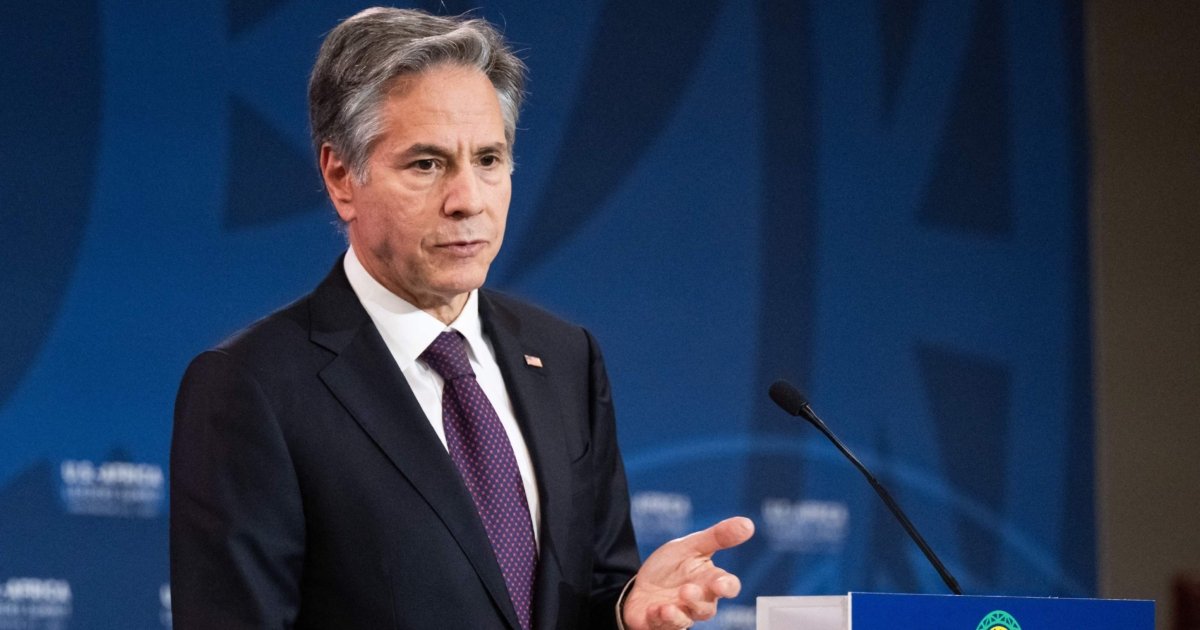
U.S. Secretary of State Antony Blinken revealed that the Strait of Hormuz, regarded as one of the most significant maritime routes for oil and gas transport, only carries an extremely limited amount of energy. These statements come in light of increasing tensions in the region that could affect global trade flows.
Blinken's remarks serve as an affirmation that concerns regarding energy supplies through this strait may be overstated. He noted that there are alternative sources that could compensate for any potential supply shortages, reflecting the United States' strategy in managing energy crises.
Details of the Statement
Blinken's comments were made during a press conference where he addressed the current situation in the Arabian Gulf. He explained that tensions between Iran and Western nations, along with regional disputes, could impact shipping traffic through the strait, but the quantities passing through it represent only a small fraction of global needs.
He also indicated that the United States is working to strengthen partnerships with oil-producing countries in other regions, such as Latin America and Africa, to secure the necessary energy supplies for the global market.
Background & Context
The Strait of Hormuz is a vital transit point for oil, with approximately 20% of the world's oil supplies passing through it. However, political and military tensions in the area, particularly between Iran and the United States, could affect maritime navigation.
Historically, the strait has witnessed numerous crises, including piracy incidents and wars, prompting major powers to adopt additional security measures to protect their vessels. In recent years, concerns have increased regarding the potential for new conflicts that could disrupt supplies.
Impact & Consequences
Blinken's statements underscore the importance of diversifying energy sources, which could reduce reliance on the Strait of Hormuz as a primary oil transport route. This shift could contribute to stabilizing global oil prices, especially amid political fluctuations.
Moreover, enhancing relationships with oil-producing countries in new regions may open new avenues for economic cooperation, aiding in achieving energy security for the United States and its allies.
Regional Significance
Blinken's remarks hold particular significance for Arab oil-producing countries, as they may influence their strategies in managing energy resources. If tensions persist, these nations might seek to bolster their relations with major powers to ensure the stability of their markets.
Additionally, these statements could lead to a reevaluation of economic policies in some countries, necessitating consideration of how to address future challenges in the energy sector.
In conclusion, the U.S. Secretary of State's comments highlight the challenges facing the Arabian Gulf region in the energy sector and emphasize the need to seek alternatives to enhance energy security. Under these circumstances, the question remains about how these dynamics will impact the future of international relations in the region.