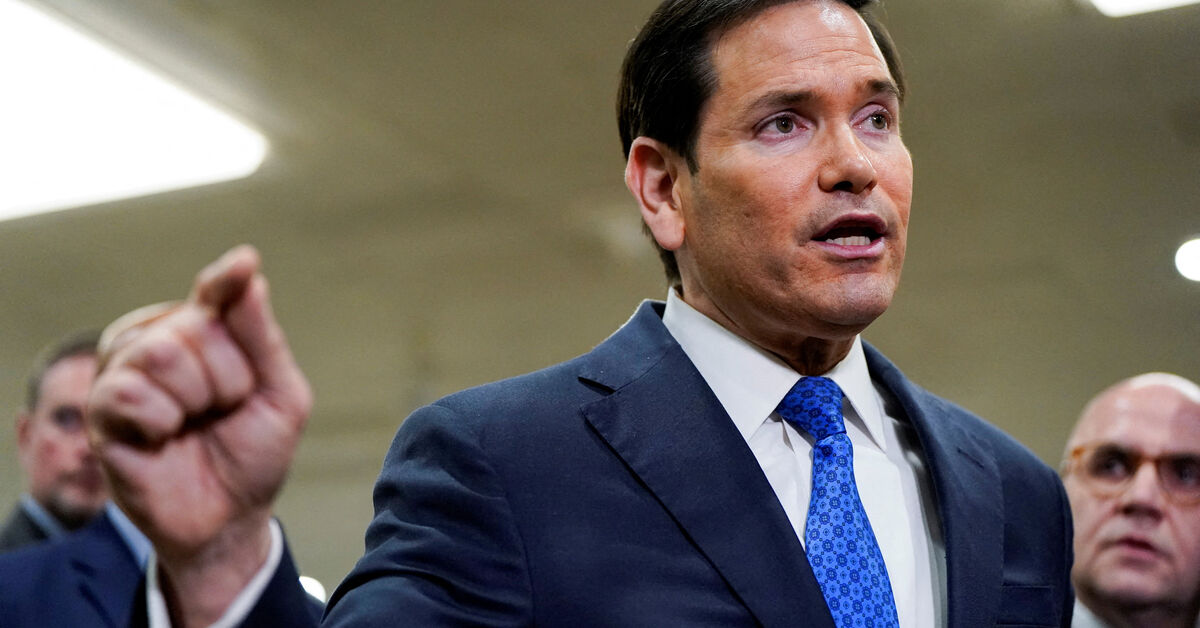
U.S. Secretary of State Marco Rubio announced in remarks on Tuesday that the United States could see an 'end' to the war in Iran, which has now entered its fifth week. This statement came during his appearance on the 'Hannity' program on Fox News, where he confirmed that while the end is not imminent, it is approaching.
Rubio clarified that the United States needs to reassess its relations with the NATO alliance after the conflict concludes, reflecting the new challenges that Washington may face in its foreign policy.
Details of the Conflict
The war in Iran began earlier this year, following escalating tensions between the United States and Iran after a series of events that heightened the situation. The past weeks have seen increasing military operations, raising concerns within the international community regarding stability in the region.
Rubio's remarks come at a sensitive time, as pressures mount on the U.S. administration to define its future strategy in the Middle East. These statements may also influence how the United States interacts with its NATO allies, who are closely monitoring the situation.
Background & Context
Historically, U.S.-Iranian relations have been marked by ongoing tensions, with several conflicts and disputes over the decades. Since the United States withdrew from the Iranian nuclear deal in 2018, tensions have significantly escalated, leading to an increase in military actions.
The current war represents a turning point in U.S. policy towards Iran, as Washington must balance its security interests with those of its allies. There are also growing calls from some European nations for diplomatic solutions rather than military escalation.
Impact & Consequences
If the United States is able to see an end to the war, it could contribute to greater stability in the region overall. However, reassessing relations with NATO may imply significant changes in how the alliance addresses future crises.
Potential repercussions include a reshaping of alliances in the region, as some countries may seek to strengthen their ties with Iran amid changing dynamics. There are also concerns that any new escalation could lead to larger conflicts in the area.
Regional Significance
For Arab countries, the conclusion of the war in Iran could present new opportunities for regional cooperation. However, ongoing tensions may lead to instability, prompting Arab nations to take proactive steps to protect their interests.
It is crucial for Arab states to remain vigilant regarding developments in Iran, as any changes in the situation could impact regional security. Additionally, there is a need to enhance cooperation among Arab countries to address common challenges.