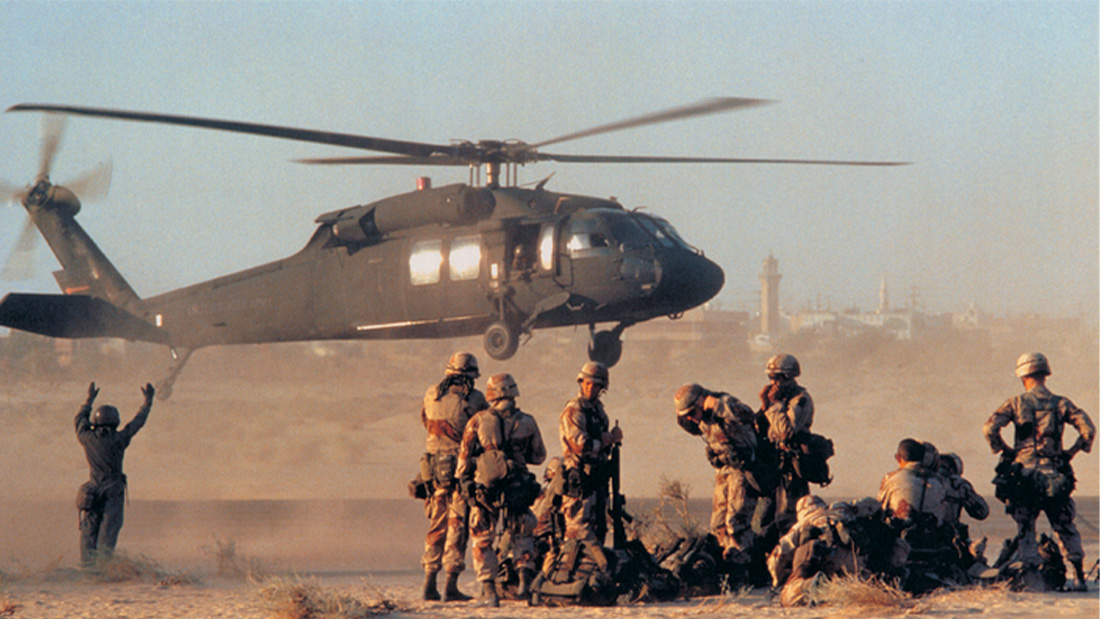
The United States is aiming for a swift resolution to the ongoing war in the region as attacks targeting Gulf countries and Iran escalate. These developments come at a critical time, with tensions in the area noticeably increasing.
In recent days, Gulf Arab countries have witnessed a surge in attacks, raising widespread international concern. The assaults targeting vital facilities in countries like Saudi Arabia and the UAE indicate a rise in regional tensions, prompting the United States to reassess its strategy in the area.
Details of the Situation
According to government sources, the United States is working on a plan to end the conflict as soon as possible, focusing on enhancing security in Gulf nations. The recent attacks, believed to be linked to the ongoing conflict in the region, could exacerbate the situation and complicate peace efforts.
In this context, the U.S. Department of Defense has confirmed that it is closely monitoring the situation and is prepared to take necessary actions to protect its interests and those of its allies in the region. Official statements indicate an urgent need to reach a peaceful solution that ensures stability in the area.
Background & Context
Historically, the Gulf Arab region has experienced numerous conflicts and disputes that have had profound effects on regional and international security. Since the onset of the conflict in Yemen, tensions between Iran and Gulf countries have escalated, leading to a series of retaliatory attacks.
Moreover, tensions between the United States and Iran have significantly increased following Washington's withdrawal from the nuclear agreement in 2018. This withdrawal has led to heightened stances, making the region more susceptible to military clashes.
Impact & Consequences
The recent escalation in attacks could have serious repercussions on regional security, potentially worsening humanitarian conditions in the affected areas. Furthermore, the continuation of these assaults may hinder peace efforts and complicate negotiations among the involved parties.
On the other hand, the United States faces a significant challenge in how to address these tense situations. There are increasing calls from some European allies to return to the negotiating table, which could open the door to potential diplomatic solutions.
Regional Significance
The Gulf Arab region is a vital center for many Arab countries, and any escalation in conflict could directly impact the stability of these nations. Neighboring Arab countries, such as Iraq and Kuwait, are closely monitoring the situation, as any escalation could lead to negative repercussions for regional security.
In conclusion, hope remains for the possibility of reaching a peaceful solution that ends the conflict and ensures stability in the region. Cooperation among the involved nations and the international community will be crucial at this critical juncture.