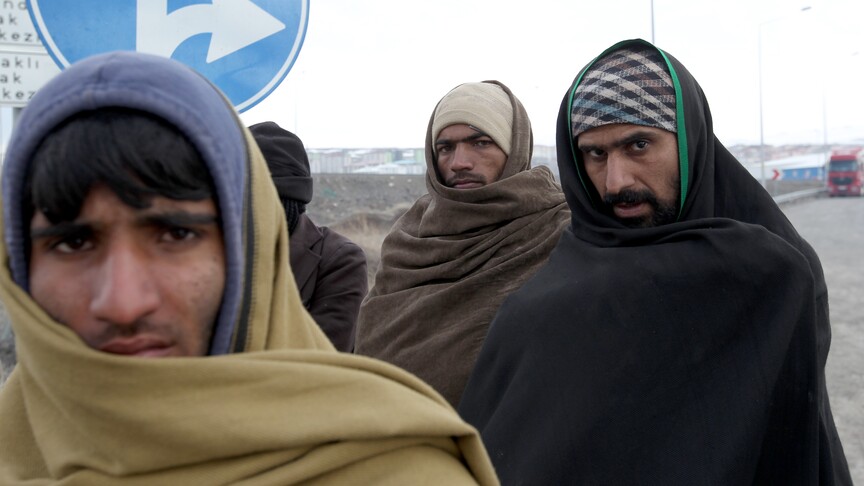
The US administration is looking for third countries to host 1,100 Afghan allies stranded in Qatar, as the suspension of evacuation operations has led to a decline in their morale at a costly American facility. This comes amid intense negotiations to find swift solutions.
According to reports from the Wall Street Journal, the US administration faces significant challenges in resettling these individuals, who assisted American forces during their presence in Afghanistan. Their current circumstances have left them in a state of uncertainty and anxiety about their future.
Details of the Situation
Evacuation operations were frozen following the withdrawal of US troops from Afghanistan in August 2021, leaving many Afghan allies in a state of limbo. They have been housed in a temporary facility in Qatar, where the United States has incurred substantial costs to provide for them. With increasing pressure, the US administration has begun exploring alternative options to relocate these individuals to other countries.
Proposed options include countries like Canada and Germany, which have expressed willingness to accept some of these allies. However, negotiations are still ongoing, and there are no guarantees yet regarding the timelines for relocation or the number of individuals who will be accepted.
Context and Background
After the withdrawal of US forces from Afghanistan, many Afghan allies faced an uncertain fate. These individuals, who worked alongside American troops during the war, had hoped to obtain visas to enter the United States, but the process stalled due to administrative and political challenges. This has exacerbated the humanitarian situation at the Qatari facility, where many are suffering from psychological stress due to uncertainty about their future.
This crisis is part of the fallout from the US withdrawal from Afghanistan, which has sparked widespread debate about how to manage the evacuation process and deal with the allies who assisted American forces. Some observers have criticized the US government for not providing adequate support to these individuals.
Consequences and Impact
This crisis affects US relations with its allies, highlighting the need to reassess how to engage with allies in the future. The inability to relocate these individuals could lead to a loss of trust in the United States as a reliable ally. Additionally, this issue may provoke negative reactions from human rights organizations advocating for the protection of these individuals' rights.
Moreover, the continuation of the current situation may worsen the humanitarian conditions in Qatar, where these individuals are living in difficult circumstances. The lack of a clear plan for their relocation could increase their suffering and negatively impact their morale.
Impact on the Arab Region
This issue is directly related to the Arab region, where Qatar plays a significant role in hosting these individuals. Qatar's hosting of these Afghan allies could enhance its status as a humanitarian supporter, but it may also place it in a sensitive position before the international community. Furthermore, this issue could affect relations between Arab states and the United States, as Arab nations are expected to deal with the repercussions of this crisis.
In conclusion, the plight of Afghan allies stranded in Qatar remains a sensitive issue that requires international attention. The search for third countries to host them is an important step, but it is not sufficient to fully resolve the crisis. The international community must work together to ensure the protection of these individuals' rights and provide them with a safe future.