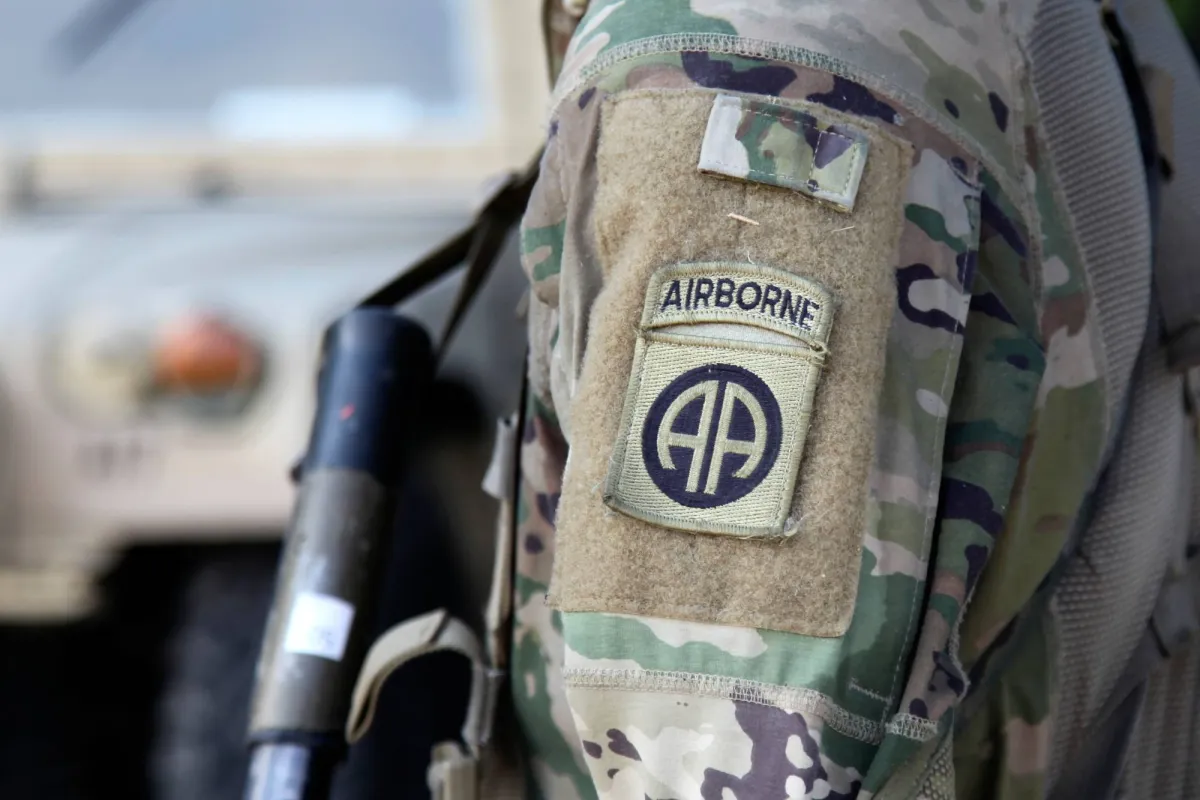
The United States has ordered the deployment of additional troops to the Middle East, reflecting an escalation in tensions with Iran and expanding the military options available to President Donald Trump. This decision comes at a time when Iranian warnings regarding the presence of U.S. forces in the region are increasing, highlighting the intensifying conflict between the two sides.
According to sources in the U.S. Department of Defense, approximately 2,000 soldiers from the 82nd Airborne Division have been directed to begin moving towards the Middle East. These troops arrive as Trump considers a new diplomatic initiative with Iran, raising questions about the future direction of U.S. policy in the region.
Details of the Deployment
The deployed forces include the Immediate Response Force from the division, which consists of a brigade of around 3,000 soldiers capable of rapid deployment anywhere in the world within 18 hours. This deployment reflects the United States' ability to enhance its military presence in the region, with the total number of additional ground troops sent to the area since the conflict began reaching approximately 7,000 soldiers.
The reinforcements also include Marine units, reflecting a comprehensive U.S. strategy aimed at bolstering military capabilities in the face of Iranian threats. This move comes as Iranian warnings increase that any U.S. action could be met with strong responses.
Background & Context
Historically, U.S.-Iranian relations have seen increasing tensions, especially following the U.S. withdrawal from the nuclear agreement in 2018. Since then, Washington has imposed strict sanctions on Tehran, escalating tensions in the region. Iran, for its part, has responded to these pressures by enhancing its military capabilities and expanding its influence in the area.
The island of Khurgu is considered a major oil export hub for Iran and may become a focal point for U.S. forces should military operations escalate. Iranian warnings against any U.S. movement in this island reflect the strategic importance of the location within the ongoing conflict.
Impact & Consequences
These U.S. military moves serve as a clear message to Tehran that Washington is prepared to expand its military options if Iran continues to escalate tensions. At the same time, Iranian warnings that any U.S. action could provoke strong reactions increase the likelihood of military escalation in the region.
Furthermore, the bolstering of U.S. military presence may impact relations between the United States and its allies in the region, as European nations seek diplomatic solutions to the crisis. These dynamics could lead to shifts in regional balances and complicate the security landscape in the Middle East.
Regional Significance
Arab countries are directly affected by the military escalation between the United States and Iran, as any escalation could destabilize the region. Gulf countries, in particular, are closely monitoring developments, as any escalation could impact their security and stability.
Additionally, military escalation could lead to rising oil prices, affecting Arab economies that heavily rely on oil revenues. Under these circumstances, Arab nations must take proactive steps to ensure their security and stability in the face of increasing challenges.
In conclusion, the situation in the Middle East remains tense, as U.S. and Iranian military movements reflect an escalation in the conflict that could have far-reaching implications for regional and international security.