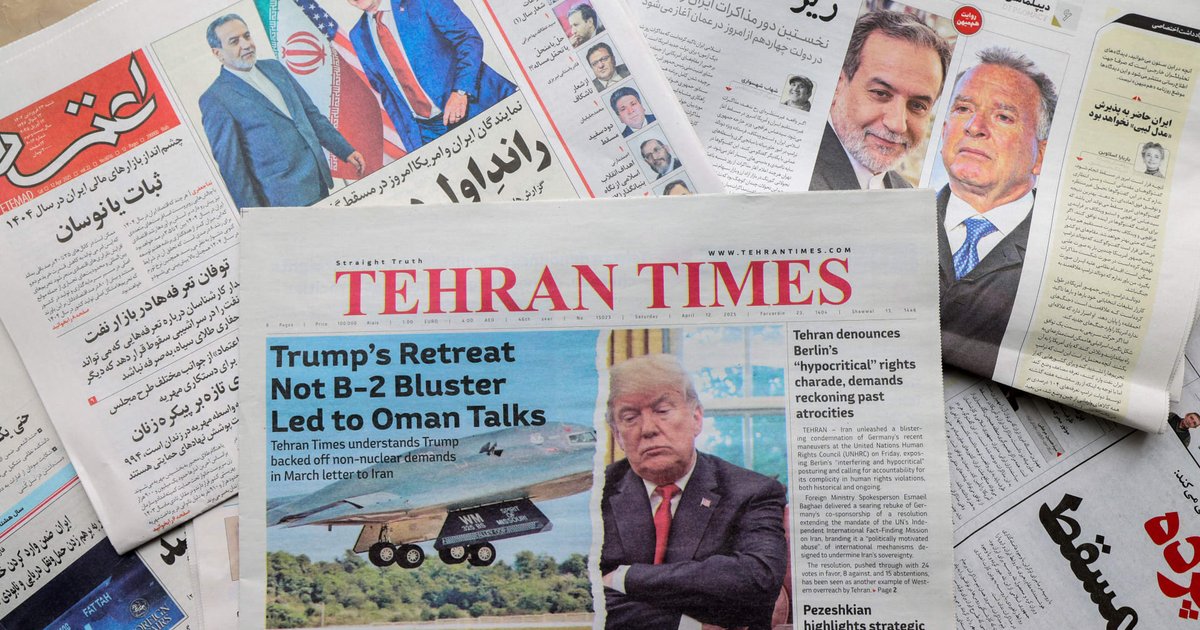
Axios reported on Wednesday that the White House has sent clear messages to the Iranian government, indicating that President Donald Trump is serious about resuming negotiations aimed at ending the ongoing conflict. This step is part of Trump's efforts to strengthen his position in foreign policy, especially with the upcoming U.S. presidential elections.
These messages coincide with rising tensions between the United States and Iran, as relations between the two countries have deteriorated significantly since Trump withdrew from the Iranian nuclear deal in 2018. Since then, Washington has imposed strict sanctions on Tehran, exacerbating economic and political crises in Iran.
Details of the Event
According to informed sources, the messages sent by the White House include an invitation for Tehran to return to the negotiating table, as the United States aims to reach a comprehensive agreement ensuring that Iran does not possess nuclear weapons. This approach is considered a strategic move by Trump, who seeks to achieve diplomatic successes before the elections.
These messages come at a time when the region is experiencing increasing tensions, with fears of a potential military escalation between the United States and Iran. U.S. officials have indicated that Trump is willing to make certain concessions in negotiations in an attempt to ease tensions.
Background & Context
Historically, U.S.-Iranian relations have been tense since the Islamic Revolution in 1979. These relations have gone through various phases of escalation and de-escalation, but Trump's presidency has been among the most strained. His withdrawal from the nuclear deal and the imposition of economic sanctions on Iran have had a significant impact on the Iranian economy, leading to internal protests and calls for reform.
Despite the pressures facing Iran, the Iranian government has shown resilience in dealing with challenges, seeking to strengthen its relations with other countries such as China and Russia. This approach may complicate Trump's efforts to achieve a comprehensive agreement with Tehran.
Impact & Consequences
If negotiations between the United States and Iran succeed, they could lead to a radical change in the political landscape of the Middle East. A new agreement could potentially ease economic sanctions, which may help improve the Iranian economic situation and reduce tensions in the region.
On the other hand, if negotiations fail, this could lead to a potential military escalation, negatively impacting regional security and increasing existing conflicts. Additionally, the failure of negotiations could affect Trump's image domestically, as he would face criticism from political opponents.
Regional Significance
The neighboring Arab countries to Iran, such as Saudi Arabia and the UAE, are among the most affected by the tensions between Washington and Tehran. Any change in U.S.-Iranian relations could directly impact stability in the region. If an agreement is reached, it could lead to improved relations between these countries and Iran, contributing to regional security and stability.
Conversely, if tensions persist, this could escalate conflicts in the region, especially given the complex issues such as the conflicts in Yemen and Syria. Therefore, the current negotiations hold significant importance not only for the United States and Iran but for the entire region.