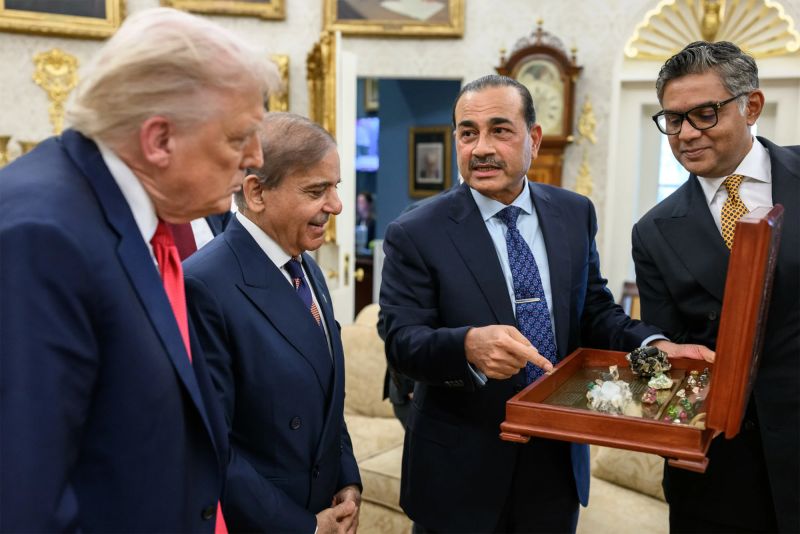
US President Donald Trump is set to send a diplomatic team to Pakistan, led by his advisor Vans, in a bid to strengthen bilateral ties between the two nations. This move comes at a sensitive time, with both sides seeking to improve cooperation in various areas.
The visit will involve discussions on regional security, trade, and counter-terrorism. The team will also explore ways to boost American investments in Pakistan, which is crucial for the country's economic growth.
Event Details
The US team is expected to meet with top Pakistani officials to discuss a range of key issues. This visit comes after a period of tensions in US-Pakistan relations, with both sides exchanging criticism over issues related to security and terrorism.
This meeting provides an opportunity to overcome past differences, with both sides seeking to build a strategic partnership that benefits both nations. The US administration is keen to enhance cooperation with Pakistan in areas of security and trade.
Background & Context
Historically, US-Pakistan relations have been volatile, with periods of close cooperation and others marked by tension. In recent years, Pakistan has faced increasing pressure due to security challenges, prompting it to seek greater support from the US.
Pakistan is a strategic ally of the US in the region, particularly in the context of the war on terror. However, ongoing challenges in bilateral relations require sustained diplomatic efforts from both sides.
Impact & Consequences
This visit is a significant step towards rebuilding trust between Washington and Islamabad, potentially leading to improved security and economic conditions in Pakistan. Strengthening trade ties can contribute to economic stability in Pakistan, benefiting its people.
If successful, the talks could open up new avenues for US-Pakistan cooperation, enhancing Pakistan's ability to tackle economic and security challenges. This could also have a positive impact on US relations with other countries in the region.
Regional Significance
US-Pakistan relations are of particular importance to the Middle East region, with any improvement in these ties potentially affecting regional stability. Amidst current tensions in the Middle East, enhanced US-Pakistan cooperation could contribute to a more balanced regional landscape.
This visit could also pave the way for increased US investments in Arab countries, boosting economic growth in those nations. Ultimately, this visit is a significant development in the context of international relations affecting the region as a whole.