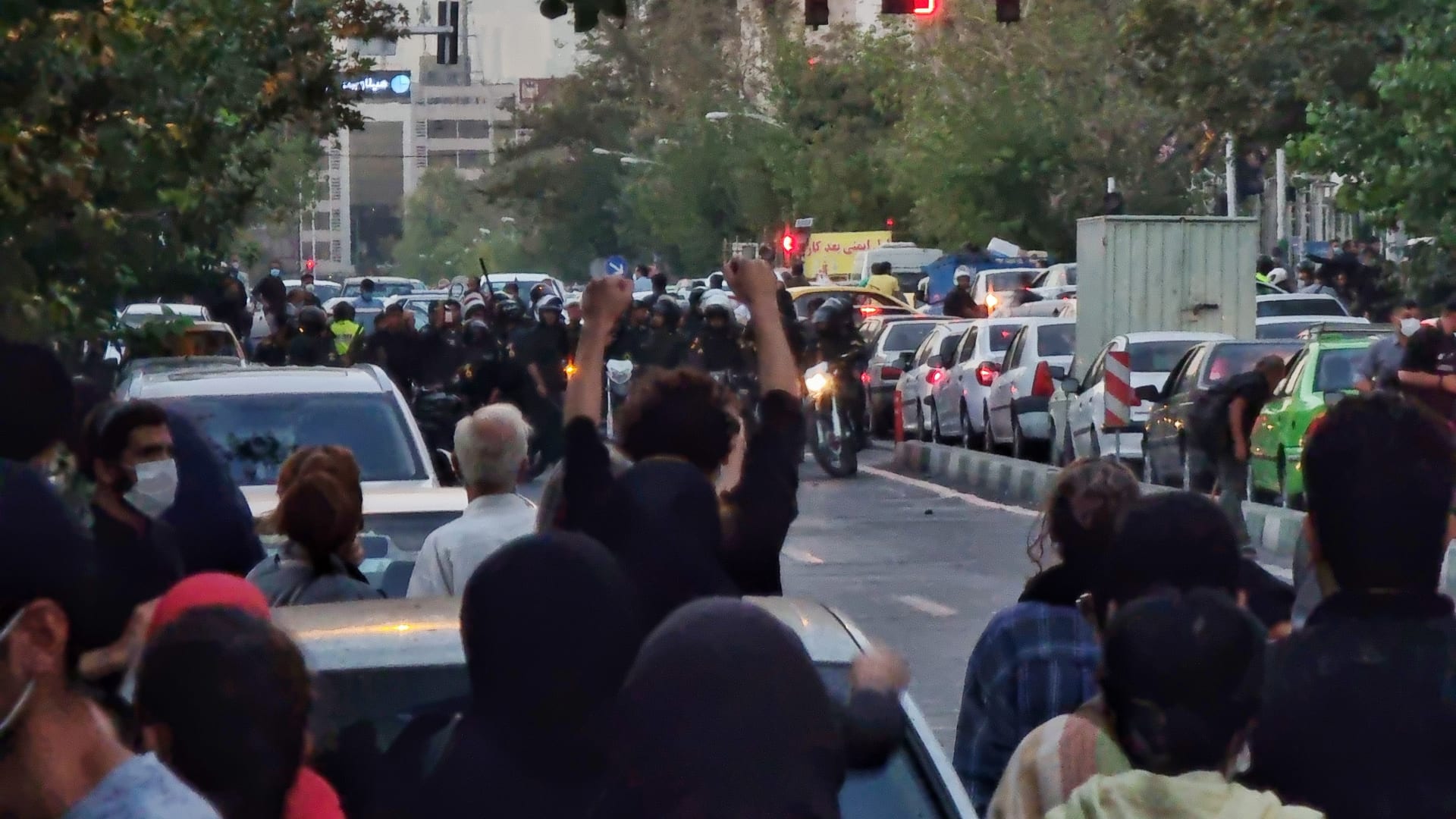
As the war in Iran persists and conditions worsen in the third week of the conflict, significant discussions have taken place regarding the possibility of direct U.S. military intervention in the region. U.S. Congressman Greg Steube joined Bloomberg's 'This Week', where he voiced his concerns about sending American forces to Iran, emphasizing the importance of avoiding this step.
Steube's remarks come at a critical juncture, as President Joe Biden faces pressure from various factions in Congress to support military efforts in the region. During the program, Steube mentioned that he prefers not to see American soldiers on the battlefield, expressing hope that the executive branch recognizes the severity of this option. He added that Washington should seek diplomatic solutions to support regional stability rather than contemplating military interventions.
The historical context of the Iranian conflict relates to complex issues, including Iran's nuclear program, which many view as a threat to regional and international security. In recent years, the U.S. has imposed strict sanctions on Iran, exacerbating the country's economic and social conditions. These sanctions have sparked a rise in domestic protests, which threaten the stability of the Iranian regime.
In this context, the Pentagon has submitted a new request to Congress for $200 billion in additional funding to address the evolving security situation. The request also includes support for regional allies, including Gulf states, which are closely monitoring developments in Iran.
The potential ramifications of such military support could be significant, potentially escalating confrontations not only in Iran but also in surrounding areas where armed groups aligned with Tehran operate. Implementing a new U.S. military policy amid rising confrontation could threaten regional security and provoke violent reactions from Iran and its allies in the region.
The current situation underscores growing concerns about a larger crisis that may impact the Middle East, as neighboring countries, like Iraq and Syria, strive to maintain their stability amidst direct conflict. There is also the possibility of further protests erupting in other countries affected by U.S. policy towards Iran. The internal complexities of the Iranian position may influence the public's response to any foreign interventions.
Arab nations have a significant interest in following these developments; as any escalation of conflict in Iran could affect global oil prices, especially since Iran is one of the largest oil exporters. American military movements in the region may also lead to a realignment of Arab alliances and shifts in investment paths and regional security.
Ultimately, the question remains about the options available to the U.S. administration, as attention turns to how Washington perceives the future of the Middle East amidst continued threats to national security. The situation in Iran presents an immediate danger that requires deep reflection on available strategies and their long-term implications for achieving security and calm in the region.