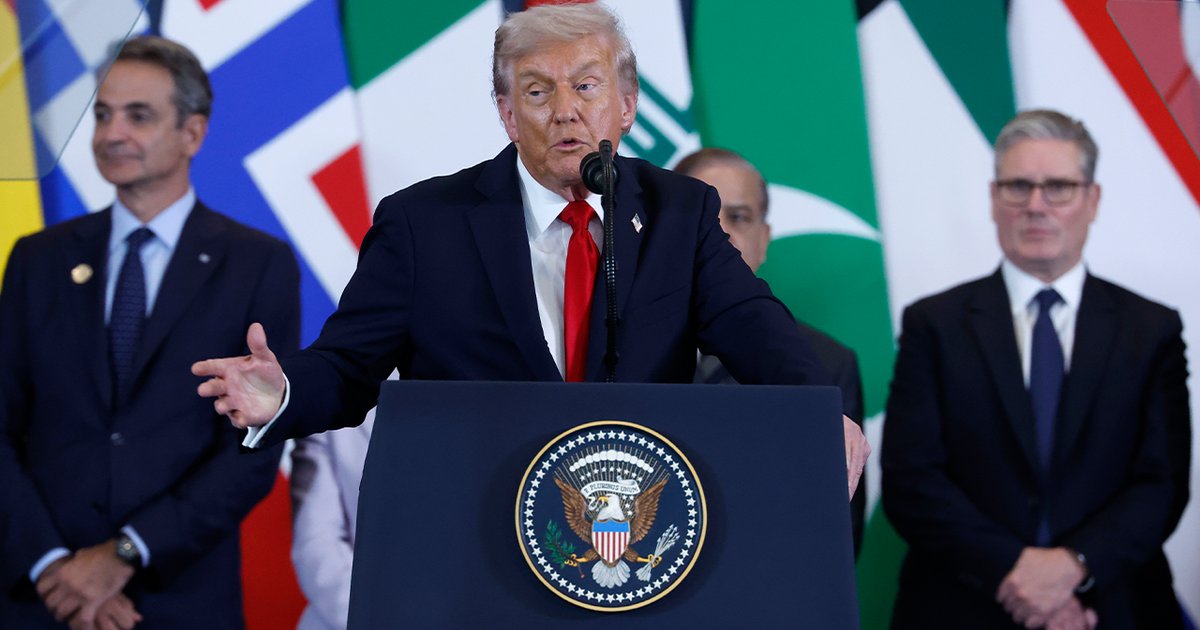
U.S. stock futures fell by more than 1% on Thursday, after President Donald Trump delivered a hardline speech that undermined hopes for reopening the Strait of Hormuz and resolving conflicts in the Middle East. Trump's address came at a sensitive time, as markets were optimistic that peace efforts would lead to greater stability in the region.
In his speech, Trump reiterated his firm stance on the escalating tensions in the Middle East, indicating that the United States would not back down from supporting its allies in the region. This statement came at a time when markets were looking for positive signals that could ease tensions, particularly in the Strait of Hormuz, a vital artery for global oil trade.
Market Reaction to Trump's Speech
The financial markets were significantly impacted by Trump's speech, with futures for the Dow Jones Industrial Average and Standard & Poor's 500 declining, reflecting investor concerns over the ongoing tensions in the region. This decline comes at a time when markets were anticipating improvements following some positive indicators from peace talks.
Markets had hoped that ongoing discussions between the involved parties would yield positive outcomes, but Trump's hardline statements suggested that matters might take a different turn. Investors are now on alert, questioning how these statements will affect oil prices and global markets in general.
Background & Context
Historically, the region has experienced ongoing tensions due to political and military conflicts, especially in Iraq and Syria. The Strait of Hormuz, through which approximately 20% of global oil supplies pass, is considered a sensitive strategic point, and any escalation in tensions could significantly impact the global economy.
In recent years, tensions between the United States and Iran have intensified, leading to a worsening of crises in the region. Trump's recent speech reflects the continuation of this hardline policy, which may exacerbate situations rather than resolve them.
Impact & Consequences
Trump's hardline statements could worsen conditions in the Middle East, increasing instability in the region. This situation may affect oil prices, as markets could experience significant fluctuations due to any potential escalation.
Furthermore, the ongoing tensions could impact trade relations between the United States and other countries, potentially leading to broader economic repercussions. Investors in the financial markets are looking for any signs that might indicate a shift in U.S. policy towards the Middle East.
Regional Significance
For Arab countries, the continuation of tensions in the Middle East could lead to negative impacts on both the economy and stability. Many countries rely on stable oil prices, and any escalation could result in price increases, affecting economic growth.
Additionally, relations between Arab countries and the United States may be affected, as these countries might need to reassess their strategies in light of current U.S. policies. It is crucial for Arab nations to remain united in facing these challenges and to work towards enhancing regional stability.
In conclusion, Trump's recent speech seems to have heightened uncertainty in the financial markets, necessitating that investors and analysts closely monitor political and economic developments. Hope for achieving peace and stability in the Middle East remains, but the challenges are significant.