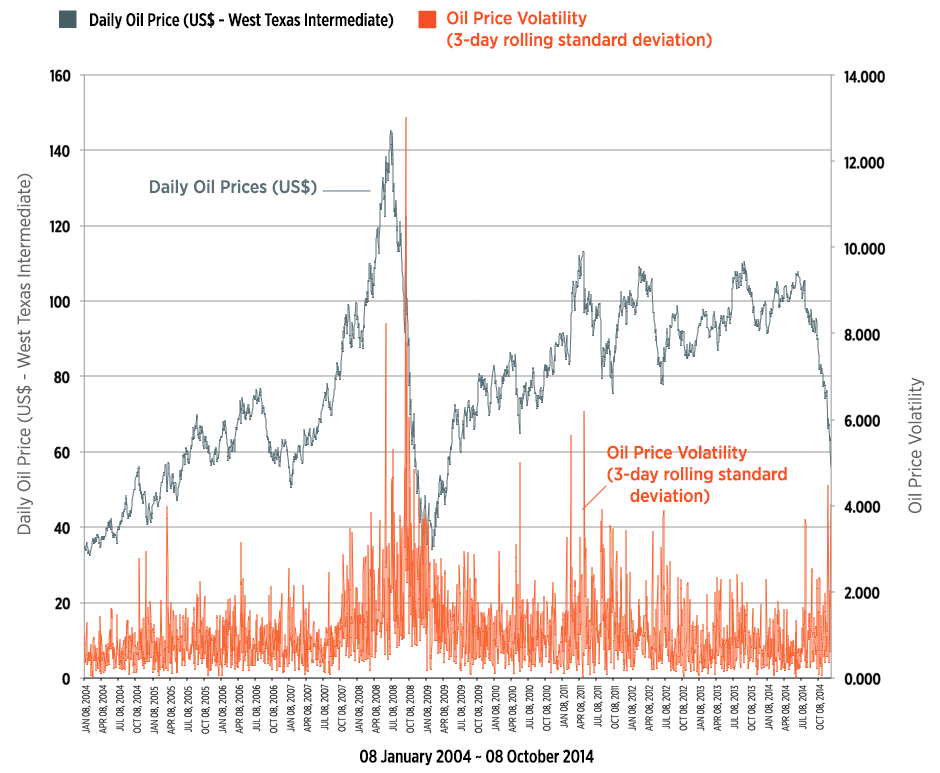
U.S. stock index futures declined on Sunday, experiencing a notable rise in oil prices, which indicates the beginning of a critical week for Wall Street. This downturn follows the record peaks reached by the S&P 500 and Nasdaq indices, sparking concerns regarding the sustainability of this increase given the current economic landscape.
The movements in financial markets serve as a crucial indicator of how investors are responding to fluctuations in oil prices, which are a primary factor influencing both the U.S. and global economies. As the week approaches a series of significant economic events, investors are keen to see how these factors will impact the markets.
Event Details
While stock futures have declined, oil prices have surged significantly, reflecting growing concerns regarding supply amid geopolitical tensions. Oil is considered one of the fundamental drivers of the global economy, and any increase in its prices can substantially affect production and transportation costs, potentially leading to heightened inflation.
Attention is now focused on the economic data set to be released throughout the week, including reports on inflation and consumer prices, which may provide signals regarding the direction of the Federal Reserve's monetary policy. These data are expected to influence investor decisions and market trends.
Background & Context
In recent months, U.S. stock markets have experienced record highs, benefiting from substantial support from the expansionary monetary policies enacted by the Federal Reserve. However, these gains come at a time when the global economy is facing several challenges, including rising energy prices and increasing inflationary pressures.
Historically, U.S. stock markets have been significantly affected by fluctuations in oil prices, as rising prices often lead to increased production costs, negatively impacting corporate profits. Therefore, monitoring oil prices is essential for understanding future trends in financial markets.
Impact & Consequences
Fluctuations in oil prices can have widespread effects on the U.S. economy, as rising prices may lead to reduced consumer spending, impacting economic growth. Additionally, this could prompt the Federal Reserve to reassess its monetary policy, which may affect interest rates.
Moreover, the decline in stock indices could heighten anxiety among investors, potentially leading to further market downturns if pressures persist. Consequently, the upcoming week will be crucial in determining future market trends.
Regional Significance
Oil prices are a vital factor for Arab economies, as many countries rely on oil exports as a primary source of revenue. Any increase in prices could positively impact these economies, while a decline might increase financial pressures.
Amid current geopolitical tensions, the Arab region is closely monitoring developments in oil prices, as any changes could affect the stability of financial markets in the area. Therefore, keeping an eye on events in Wall Street will be of great importance to Arab investors.