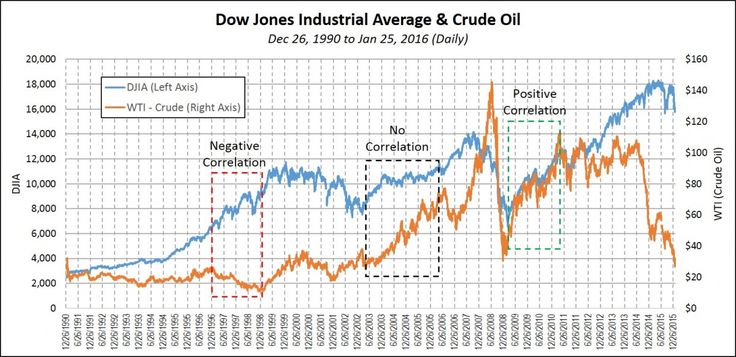
U.S. stock markets are facing new challenges as oil prices continue to rise, with notable pressure observed before the markets close on Wall Street. These developments come at a sensitive time as investors seek to understand the impact of high energy prices on economic growth.
In today's session, Bloomberg hosted a panel of financial experts to analyze the current situation. Among the guests were Joanne Finney from Advisors Capital Management, Joe Cirincione from Center for International Policy, and Michael Lacy from UBS, who discussed the impact of oil prices on financial markets.
Details of the Event
Oil prices have seen a significant increase in recent days, leading to investor concerns about the impact on inflation and economic growth. Oil prices have reached record levels, putting additional pressure on both companies and consumers.
Financial markets are directly affected by oil prices, as rising prices can lead to increased production costs, negatively impacting corporate profits. At the same time, higher oil prices may reduce consumer spending, affecting overall economic growth.
Background & Context
Historically, oil prices have played a pivotal role in determining trends in financial markets. In recent years, we have witnessed significant fluctuations in oil prices due to geopolitical events, such as conflicts in the Middle East and changes in global economic policies.
In recent years, the economic recovery following the COVID-19 pandemic has led to increased demand for oil, contributing to rising prices. However, ongoing challenges such as geopolitical crises and climate change remain influential factors in this market.
Impact & Consequences
Analyses indicate that the continued rise in oil prices may lead to a slowdown in economic growth in the United States, which could impact global markets. If prices continue to rise, central banks may resort to raising interest rates to combat inflation, which could increase pressure on financial markets.
Furthermore, these conditions may lead to changes in investment strategies, as investors seek to protect their funds from potential volatility. Markets are expected to remain under pressure until the direction of oil prices becomes clearer in the future.
Regional Significance
The Arab region is one of the largest oil producers in the world, and thus, rising prices have direct effects on the economies of the countries in the region. Higher oil prices can lead to increased government revenues, contributing to economic growth.
However, heavy reliance on oil as a primary source of revenue may pose challenges in the event of a price decline. Therefore, Arab countries need to diversify their economies to reduce dependence on oil and ensure sustainable growth in the future.
In conclusion, U.S. stock markets remain under pressure due to rising oil prices, raising concerns about economic growth. Investors must closely monitor these developments, as their impact may extend to global markets.