U.S. stocks fell on Thursday, yet they still held onto their weekly gains, as the S&P 500 approached the significant threshold of 7400 points for the first time in its history. This positive performance occurs during a period of notable market volatility due to the oil price shock affecting the global economy.
Despite the challenges facing the markets, several factors contributed to supporting this rise. Among these factors are improved economic data, positive earnings forecasts from companies, and the stability of monetary policies from the Federal Reserve.
Event Details
While U.S. stocks declined on Thursday, the S&P 500 recorded significant weekly gains, rising by 1.5% since the beginning of the week. This performance is seen as a positive sign for investors who were concerned about the impact of rising oil prices on economic growth.
Reports indicate that oil prices have risen significantly, raising concerns about inflation and its effect on consumer spending. However, the markets managed to overcome these worries thanks to strong economic data showing improvements in the labor market and an increase in consumer spending.
Background & Context
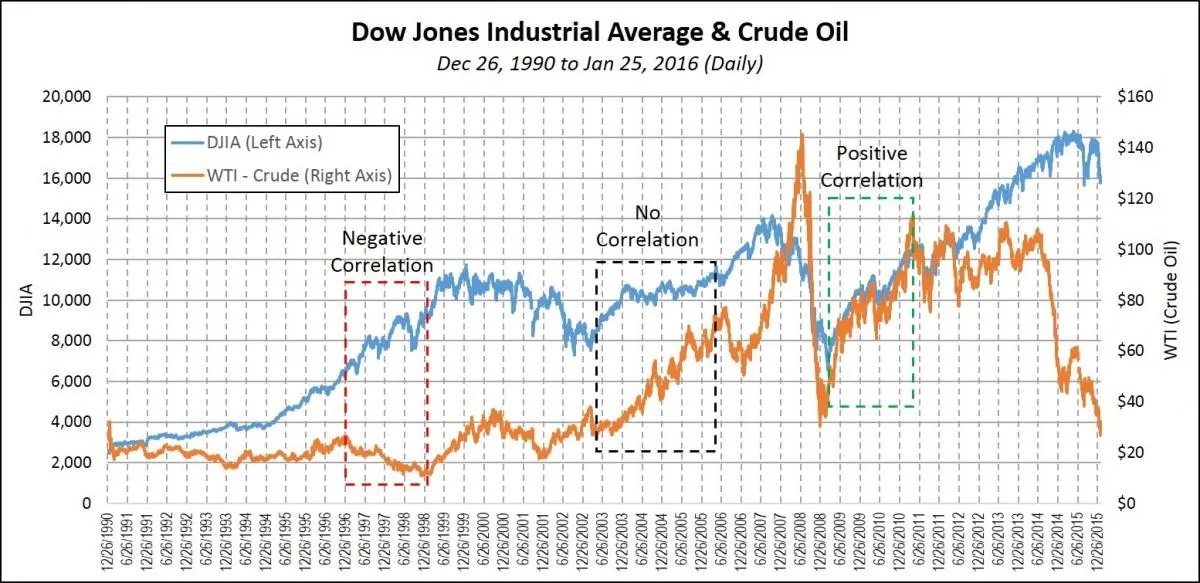
Historically, oil prices have played a pivotal role in steering financial markets. When oil prices rise, it often leads to increased production costs, negatively impacting corporate profits. However, some analysts believe that the current rise in prices may be temporary and that the market could adapt to these changes.
In recent years, financial markets have experienced significant volatility due to geopolitical events and shifts in economic policies. Nevertheless, the ability of markets to recover from past crises indicates their resilience and capacity to adapt to changing conditions.
Impact & Consequences
The rise in oil prices can have multiple effects on the U.S. economy. On one hand, it may lead to increased inflation, potentially prompting the Federal Reserve to adjust its monetary policy. On the other hand, certain sectors, such as energy, may benefit from this price increase.
Furthermore, these changes can impact global markets, as the U.S. economy is one of the largest in the world. Any changes in monetary or economic policies could affect markets in other regions, including emerging markets.
Regional Significance
The Arab region is among the most affected by fluctuations in oil prices, as many of its economies heavily rely on oil revenues. Rising prices may lead to increased revenues in some countries, but at the same time, they could create economic pressures in other nations that depend on oil imports.
Therefore, investors in the Arab region must exercise caution amid these fluctuations, as any changes in prices could impact their investments and businesses. It is crucial to monitor developments in the U.S. market and their effects on regional markets.