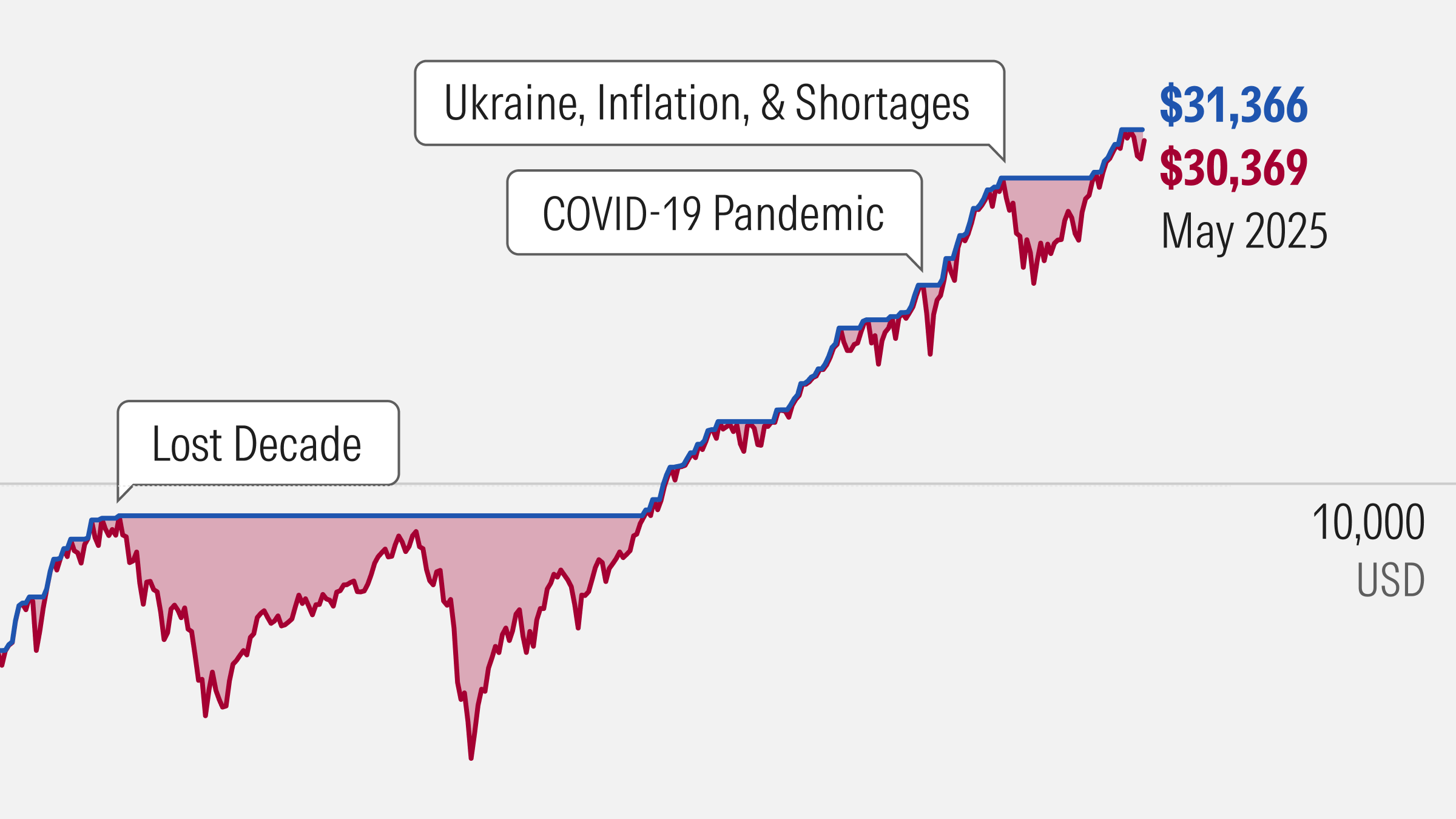
U.S. stocks closed with notable declines, as the markets recorded a decrease in value due to various economic factors. This downturn reflects growing fears about inflation and a potential recession, which has negatively impacted investor sentiment in the financial markets.
The major stock indices in the United States were significantly affected, with the Dow Jones Industrial Average falling by 1.5%, while the Standard & Poor's 500 dropped by 1.2%. Additionally, the Nasdaq saw a decline of 1.8%, reflecting a prevailing sense of concern among investors regarding the future of the U.S. economy.
Details of the Event
These declines come at a sensitive time, as investors await the outcomes of the U.S. Federal Reserve meetings, which are expected to address interest rate policy and inflation. Recent economic data, including unemployment reports and inflation rates, have influenced investor decisions, increasing uncertainty in the markets.
Moreover, geopolitical tensions in certain regions, along with challenges related to supply chains, have contributed to increased pressures on the markets. These combined factors have led to a decline in confidence in the financial markets, prompting many investors to make selling decisions.
Background & Context
Historically, U.S. markets have experienced significant fluctuations during times of economic crises. After a period of sustained growth, fears of inflation and recession began to emerge, affecting investor sentiment. In recent years, several factors have contributed to these fluctuations, including the COVID-19 pandemic and the war in Ukraine, which have led to disruptions in global markets.
Changes in monetary policies by central banks also play a significant role in determining market trends. For instance, interest rate hikes by the Federal Reserve can lead to a decline in stock investments, as investors tend to seek higher returns in debt instruments.
Impact & Consequences
These declines in U.S. markets can have far-reaching effects on the global economy. As stocks fall, investors may hesitate to inject more money into the markets, potentially leading to a slowdown in economic growth. Additionally, declining confidence in U.S. markets may affect financial markets in other countries, especially those that rely on foreign investments.
Furthermore, a drop in stocks could impact U.S. companies, as it may lead to reduced spending and investment, which could negatively reflect on the labor market. If this trend continues, we may witness an increase in unemployment rates and a slowdown in economic growth.
Regional Significance
The U.S. financial markets are pivotal in the global economy, and thus their decline may directly affect Arab markets. Many Arab countries rely on foreign investments, and any decline in confidence in U.S. markets could lead to a reduction in these investments.
Additionally, the decline in U.S. stocks may impact oil prices, as many Arab countries depend on oil revenues as a primary source of income. If the markets continue to decline, we may see a decrease in demand for oil, which could affect Arab economies overall.
In conclusion, investors remain on alert, as upcoming economic and political developments will determine market directions in the near future. It is essential to closely monitor these events, as their impacts may extend worldwide.