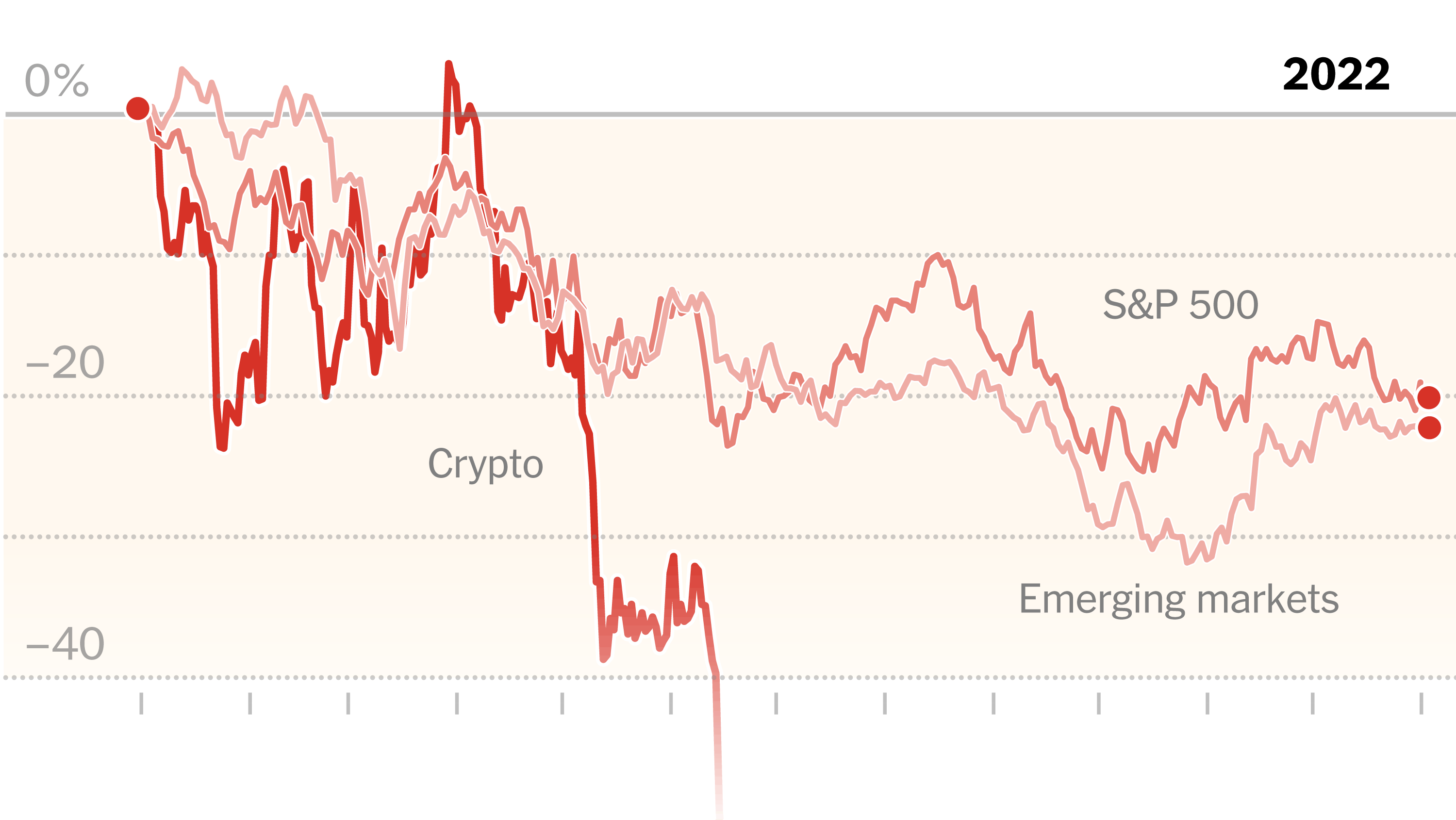
The U.S. financial markets are significantly impacted by escalating geopolitical tensions in the Middle East, with the S&P 500 index dropping 7.7% since the onset of the conflict in Iran. This decline is sharper than the average drop of 6.1% seen during previous geopolitical shocks.
This downturn comes at a sensitive time, as events in Iran raise investor concerns about regional stability and its implications for the global economy. Under these circumstances, many analysts expect there may be further room for declines in U.S. markets.
Details of the Event
The conflict in Iran began earlier this month, leading to heightened tensions between the United States and Iran. Financial markets have reacted swiftly to these events, with stocks falling significantly, reflecting investors' worries about the implications of this conflict on the global economy.
These declines in U.S. stocks are indicative of how markets are affected by geopolitical tensions, as investors tend to adopt cautious positions during times of uncertainty. Data has shown that many investors have reduced their equity investments and increased their allocations to safe assets such as bonds.
Background & Context
Historically, U.S. financial markets have experienced notable declines during geopolitical crises. For instance, during the Iraq conflict in 2003, the S&P 500 saw similar drops. However, the current decline is more severe, raising questions about the potential impact of the Iranian conflict on the global economy moving forward.
The Middle East is a vital hub for many global economies, playing a key role in the oil and energy markets. Any escalation in conflict could significantly affect oil prices, which in turn would impact the global economy.
Impact & Consequences
Analyses suggest that the ongoing conflict in Iran could lead to further tensions in financial markets, potentially causing additional declines in stocks. Investors may gravitate towards safe assets, which could increase demand for government bonds.
Moreover, the economic effects may extend to other sectors, such as tourism and trade, where tensions could reduce travel and trade flows between countries. This, in turn, could impact economic growth in the United States and beyond.
Regional Significance
The events in Iran have significant implications for the Arab region, as any escalation in conflict could lead to repercussions for security and stability in neighboring countries. Additionally, oil prices could be heavily affected, which would reflect on the economies of Arab nations that heavily rely on oil revenues.
Under these circumstances, Arab countries must closely monitor the situation, as any changes in financial markets could affect their investments and trade relations with the United States and the rest of the world.
In conclusion, the decline in U.S. stocks amid the Iranian conflict reflects the growing anxiety in financial markets, necessitating investors to make informed decisions in these changing circumstances. The current events could significantly impact the global economy, calling for vigilance from all stakeholders involved.