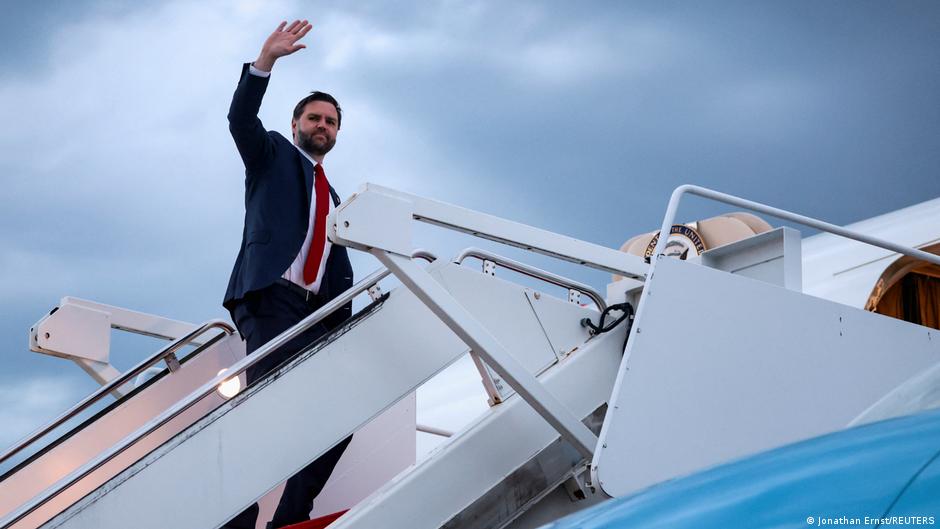
In an unconventional move, the United States has sent Vice President J.D. Vance to Hungary to support Prime Minister Viktor Orbán, who is experiencing a significant drop in opinion polls ahead of the elections set for April 12. Orbán has been in power since 2010 and is considered one of the most prominent far-right figures on the global stage.
Vance's visit comes at a sensitive time, as Orbán seeks to maintain his authority in the face of challenges from other candidates, such as Péter Márki-Zay. This visit is seen as evidence of the U.S. administration's support for Orbán, who has close ties with former President Donald Trump.
Event Details
Orbán is a controversial figure, with his government accused of controlling the judiciary, media, and universities, leading to elections being described as "free but unfair." Nevertheless, the U.S. administration views Orbán as a success model rather than warning against mismanagement.
Pressure on Orbán is mounting as the elections approach, with polls indicating a significant gap between him and his competitors. Additionally, issues related to potential cooperation with Russia have intensified criticism directed at him from European leaders.
Background & Context
Orbán has held power in Hungary since the late 1990s and has become a symbol of the far-right in Europe. He is known for his criticism of the European Union, particularly regarding its stance on Russia and the conflict in Ukraine. He has referred to his government as a "non-liberal democracy," reflecting his political inclinations.
Hungary is among the most corrupt countries in the European Union and faces significant economic challenges, complicating the political landscape. Despite this, Orbán still enjoys support from some right-wing leaders in Europe and Latin America.
Impact & Consequences
Vance's visit to Hungary signifies a shift in U.S. policy towards Eastern Europe, as the current administration seeks to strengthen ties with right-wing leaders. This support could impact the future of relations between the United States and the European Union, especially amid current tensions.
This move may also bolster Orbán's position in the elections, potentially allowing him to remain in power longer, which could have broader implications for European politics.
Regional Significance
The events in Hungary illustrate how U.S. policy can influence other nations, including Arab countries. U.S. support for right-wing regimes may encourage some governments in the region to adopt similar stances, potentially increasing political tensions.
Ultimately, the results of the elections in Hungary will serve as an indicator of political trends in Europe and may indirectly affect policies in the Arab region.