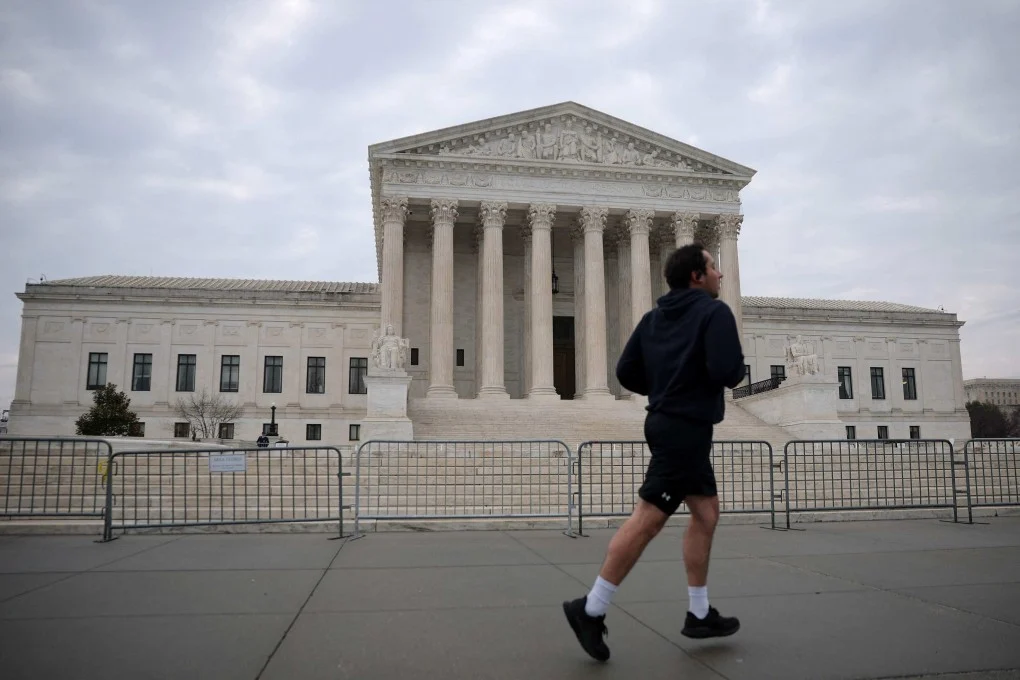
The U.S. Supreme Court issued a ruling on Tuesday to overturn a law prohibiting "conversion therapy" for children from the LGBTQ+ community in Colorado, one of the laws aimed at limiting this controversial practice in about twenty U.S. states. The court voted 8-1 in favor of a Christian counselor who claims the law infringes on his rights to free speech.
"Conversion therapy" is a medically unrecognized practice aimed at changing individuals' gender identity or sexual orientation, and it has been heavily criticized by numerous health and psychological organizations. However, the Supreme Court's recent decision brings the discussion back to the rights of individuals to express their opinions and beliefs, even if they conflict with local laws.
Details of the Ruling
In its ruling, the Supreme Court emphasized that the law banning "conversion therapy" raises concerns regarding freedom of expression and returned the case to a lower court to determine whether the law meets certain legal standards. The justices noted that laws imposing restrictions on free speech must be supported by strong evidence, which poses a significant challenge for many laws enacted in various states.
Justice Neil Gorsuch, who wrote the court's opinion, affirmed that laws banning conversion therapy could restrict dialogue and discussion on issues of gender identity, raising questions about the impact of such laws on free expression in American society.
Background & Context
Historically, the United States has witnessed ongoing debates regarding the rights of the LGBTQ+ community, with numerous laws enacted to protect individuals from discrimination. However, significant challenges remain for this community, especially in states that impose restrictions on practices related to gender identity.
In recent years, calls to abolish conversion therapy have intensified, as many health organizations argue that there is no scientific evidence supporting the effectiveness of these practices, and they may cause significant psychological harm to individuals subjected to them. This Supreme Court ruling is seen as an important step toward enhancing individuals' rights to express their sexual identity.
Impact & Consequences
The Supreme Court's ruling is viewed as a victory for the rights of the LGBTQ+ community, opening the door for further discussion on freedom of expression and individual rights. This decision is expected to influence laws in other states, where some may seek to reconsider their conversion therapy regulations.
Additionally, this ruling may encourage more individuals to speak about their experiences and beliefs, potentially leading to positive changes in society. However, there remains concern that some groups may seek to impose new restrictions on free expression in the future.
Regional Significance
Although issues related to LGBTQ+ rights may not be as widely discussed in Arab countries, this ruling highlights the importance of freedom of expression and individual rights worldwide. This decision could impact discussions around human rights in the region, where calls for equality and justice are increasing.
Ultimately, this ruling demonstrates that progress is being made in the realm of individual rights, even amid significant challenges faced by communities. It is crucial for discussions on these issues to continue to ensure that everyone's rights to express themselves freely are upheld.