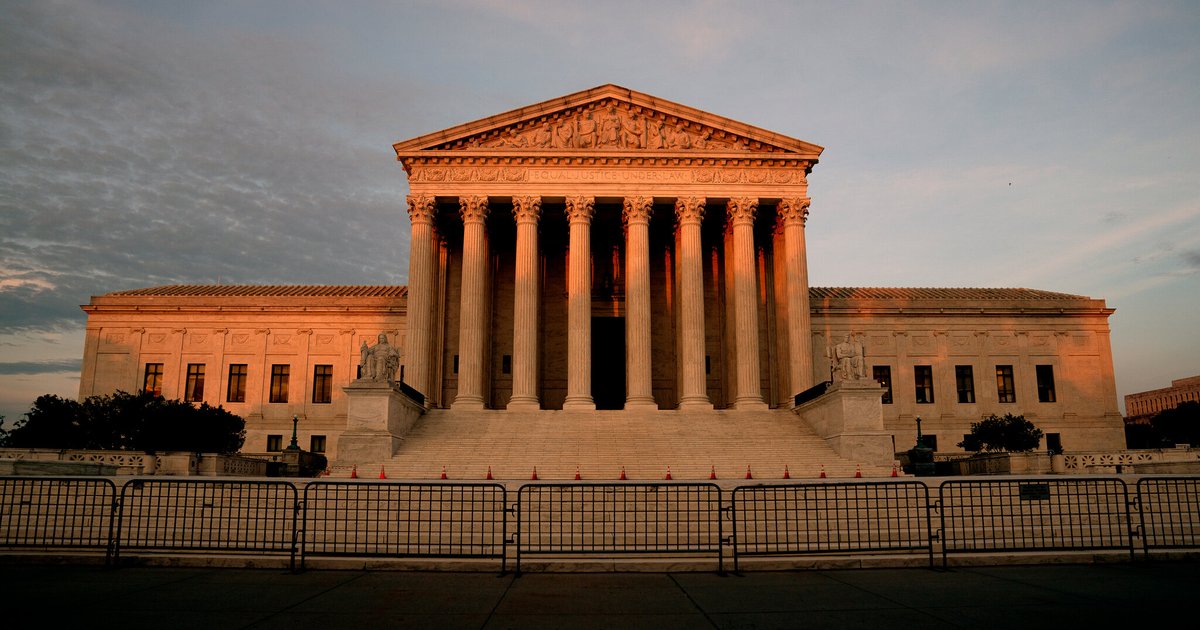
The U.S. Supreme Court has announced that it will begin a new review of human rights cases, a step that could significantly affect local and international laws. This review comes in the context of political and social changes that necessitate a reassessment of American commitments to human rights.
The cases that the court will consider include issues related to racial discrimination, minority rights, and freedom of expression. These cases represent significant challenges to the American legal system, as civil society seeks to enhance individual rights in the face of increasing challenges.
Details of the Review
The Supreme Court, which is the highest judicial authority in the United States, will examine a range of cases related to human rights. These cases include lawsuits against the U.S. government concerning racial discrimination, women's rights, and immigrant rights. This review is expected to attract considerable attention from the media and the public, as it reflects current trends in American society.
Furthermore, this review comes at a time when the United States is witnessing widespread protests against racism and discrimination, increasing the significance of the issues presented before the court. Several justices have stated that this review will be an opportunity to reconsider some laws that may be outdated or inappropriate.
Background & Context
Historically, the United States has been a leader in the field of human rights, but in recent years, there has been a decline in some of these rights. The protests that erupted after the killing of George Floyd in 2020 highlighted issues of racial discrimination and police violence, prompting society to demand radical reforms.
This review comes at a time when pressure is mounting on the U.S. government from international and local human rights organizations, which are calling for improvements in the United States' human rights record. There are also increasing calls from some states to implement stricter laws to protect individual rights.
Impact & Consequences
The Supreme Court's decisions are likely to affect local and international policies. If the court decides to strongly support human rights, it could lead to changes in federal and local laws, reflecting the United States' commitment to improving its record in this area.
On the other hand, if the decisions are unfavorable, it could exacerbate conditions in some communities and increase tensions between the government and citizens. This review represents an opportunity for the court to reaffirm its commitment to human rights, which could have long-term implications for American politics.
Regional Significance
Human rights issues in the United States are particularly significant for Arab countries, as many of these nations are influenced by American trends in this field. If the Supreme Court takes positive steps toward promoting human rights, it could have a beneficial impact on U.S. relations with Arab countries, enhancing cooperation in areas of human rights and development.
Conversely, if the United States continues to retreat from its commitments related to human rights, it could worsen conditions in some Arab countries, where governments might exploit these trends to justify their human rights violations.
In conclusion, the U.S. Supreme Court's review of human rights cases represents an important step in American history, and it may have far-reaching effects on local and international policies, including in the Arab region.