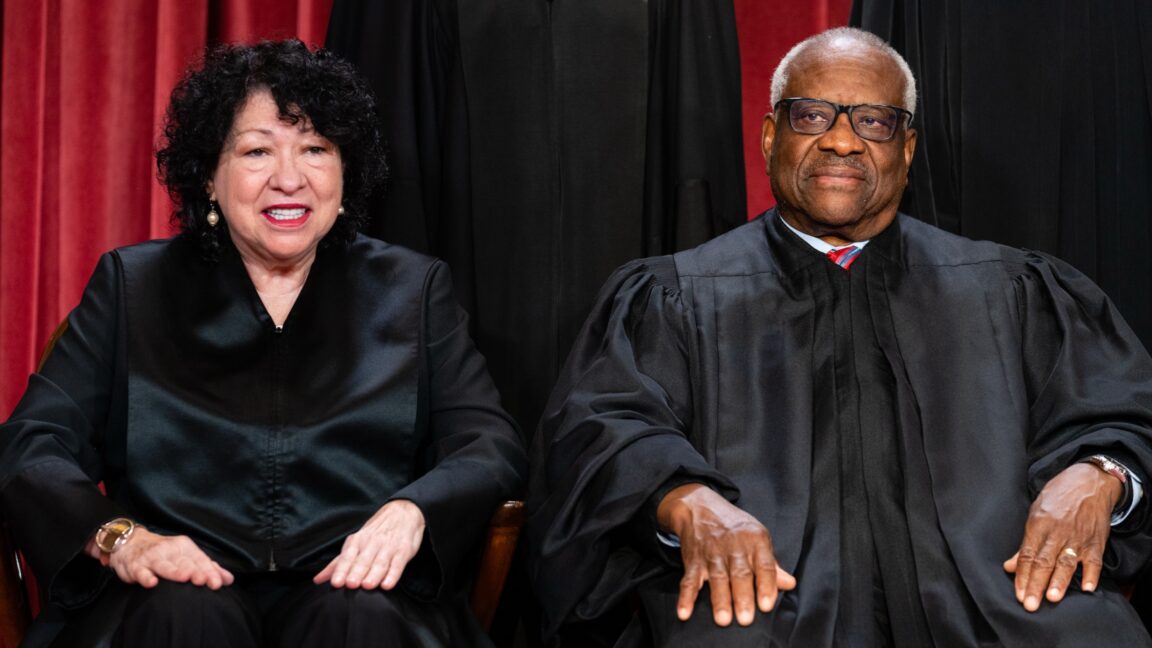
The U.S. Supreme Court has delivered a significant ruling in favor of Cook Communications, which could greatly impact how technology companies handle copyright issues. This ruling bolsters the position of service providers against piracy-related lawsuits, potentially reshaping the legal landscape in this area.
The ruling followed a lengthy dispute between Cook and companies like Sony, which are striving to protect their rights in digital content. The court affirmed that service providers are not responsible for the content shared by users, weakening the position of companies seeking to sue service providers for copyright infringements.
Details of the Ruling
In the specifics of the ruling, the court noted that placing liability on service providers could lead to undesirable outcomes, such as restricting access to information. This decision may open the door for service providers to offer their services without the fear of legal repercussions due to user actions.
This ruling comes at a time when concerns about online piracy are on the rise, with major companies under pressure to safeguard their content. However, the ruling may limit the ability of large companies to take legal action against service providers, raising questions about how copyright can be protected in the digital age.
Background & Context
Historically, technology companies have faced significant challenges in combating piracy, with numerous legal cases affecting how they deal with protected content. In recent years, the number of copyright-related cases has increased, prompting companies to seek new ways to protect their interests.
The landscape of digital content protection has evolved, with many companies now exploring innovative solutions to address the challenges posed by piracy. This ruling could serve as a turning point in how these companies navigate the complexities of copyright law.
Impact & Consequences
The potential implications of this ruling could be far-reaching, leading to changes in how companies approach piracy issues. Companies that previously relied on pursuing service providers may now need to reassess their strategies in combating piracy. Furthermore, this ruling could encourage more innovation in the technology sector, allowing service providers to offer new services without the fear of legal action. This may enhance user experiences and increase access to digital content.
As the digital landscape continues to evolve, the ramifications of this ruling will likely influence future legal battles and the strategies employed by companies in the tech industry.
Regional Significance
This ruling holds particular significance in the context of the Arab world, where digital content piracy is a growing concern. As technology companies navigate the challenges of copyright protection, the outcomes of such rulings could impact the strategies employed by regional firms.
In conclusion, the U.S. Supreme Court's decision represents a pivotal moment in the ongoing battle against piracy, with the potential to reshape the dynamics of copyright enforcement in the digital age.