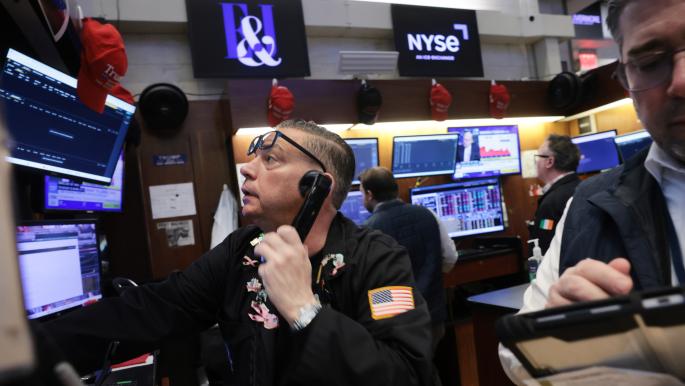
U.S. Treasury bonds have significantly declined as positive labor market figures led traders to reduce their expectations for interest rate cuts this year. This shift reflects a notable improvement in the U.S. economy, with recent data showing an increase in new jobs, indicating a strong labor market. These figures prompted investors to reassess their strategies, directly impacting bond prices.
According to reports, data from the U.S. Department of Labor revealed that the number of new jobs added last month exceeded expectations, reflecting a recovery in economic activity. This rise in new jobs strengthens the position of the Federal Reserve, which may lean towards maintaining interest rates rather than cutting them.
Details of the Event
The U.S. Treasury bonds were negatively affected by this data, as bond prices fell, leading to a rise in yields. For instance, yields on 10-year bonds saw a significant increase, reflecting market expectations regarding future monetary policy.
Historically, U.S. Treasury bonds are considered a safe haven during times of economic uncertainty, but changes in the labor market significantly affect their attractiveness. In recent years, the U.S. has experienced considerable fluctuations in the labor market, with jobs being directly impacted by the COVID-19 pandemic. As recovery begins, closely monitoring economic data becomes essential, as it plays a critical role in guiding monetary policy.
Context and Background
These developments indicate that the U.S. economy is moving in the right direction, which could lead to greater stability in financial markets. However, rising yields on bonds may increase borrowing costs, affecting both companies and consumers.
If positive data continues, the Federal Reserve may adjust its monetary policy, which could also impact global markets. Investors in emerging markets, including Arab countries, should be cautious of the effects of these changes on capital flows.
Impact and Consequences
The Arab markets are directly affected by changes in U.S. monetary policy, as many countries rely on foreign investments. Rising yields on U.S. bonds may lead to a withdrawal of investments from emerging markets, including Arab nations.
Furthermore, any change in U.S. interest rates could impact oil prices, reflecting on Arab economies that heavily depend on oil revenues. Therefore, monitoring these developments is crucial for policymakers in the region.
Significance for the Arab Region
In conclusion, the positive labor market figures in the U.S. indicate economic recovery, but there must be careful monitoring of potential repercussions on global markets, including Arab markets. The interplay between U.S. economic indicators and regional economic stability remains critical for future investments and growth.