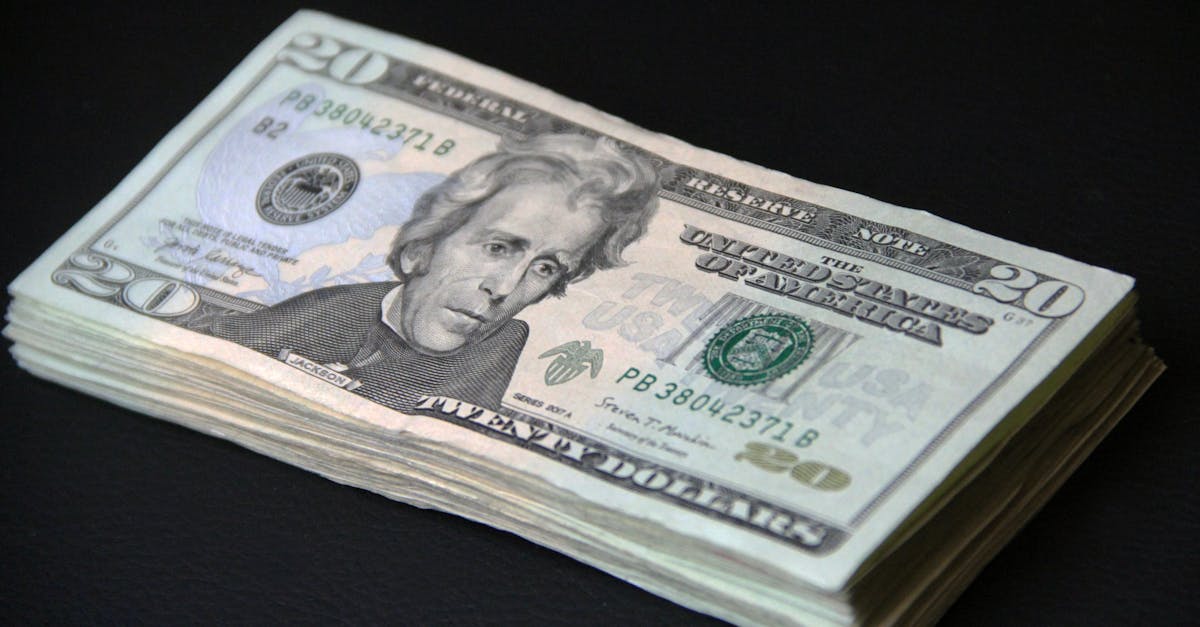
US Treasury bonds have risen in financial markets, driven by expectations indicating the imminent end of the war in Iran, which could open the door for the US Federal Reserve to lower interest rates once again. These expectations reflect a sense of optimism regarding regional stability, which could positively impact the US economy.
These developments come at a time when markets are experiencing significant volatility due to geopolitical and economic crises. Interest rates are one of the primary tools used by the Federal Reserve to control inflation and stimulate economic growth. Therefore, any signals regarding the possibility of lowering interest rates attract investor interest.
Details of the Event
Speculation has increased regarding the possibility of ending the conflict in Iran, prompting investors to reassess their investments in bonds. Data has shown that demand for US Treasury bonds has risen significantly, leading to a decline in yields on these bonds. This trend reflects investors' desire to seek safe havens amid economic uncertainty.
At the same time, investors are awaiting the upcoming decisions from the Federal Reserve, with the next meeting expected to take place later this month. Forecasts suggest that any decision to lower interest rates could contribute to enhancing economic growth and boosting consumer confidence.
Background & Context
Historically, Iran has been a center of many regional conflicts, which have significantly affected the global economy. The current war in Iran may have far-reaching implications for regional stability and, consequently, for the US economy. In recent years, relations between the United States and Iran have been severely strained, impacting oil prices and financial markets.
On the other hand, any progress toward ending the conflict could contribute to restoring stability in the region, which may have a positive impact on the global economy. Additionally, lowering interest rates could help stimulate economic growth in the United States, which could positively reflect on financial markets.
Impact & Consequences
If the anticipated scenario of ending the war in Iran materializes, it could lead to significant changes in US economic policies. Lowering interest rates could encourage increased investments across various sectors, thereby enhancing economic growth. Furthermore, regional stability could help reduce oil price volatility, benefiting the global economy.
Moreover, lowering interest rates could lead to increased borrowing, which may stimulate consumption and raise demand for goods and services. This could contribute to bolstering economic growth in the United States and positively impact financial markets.
Regional Significance
The end of the conflict in Iran could have direct effects on neighboring Arab countries. It could lead to improved relations between Iran and Arab nations, contributing to enhanced regional stability. Additionally, stable oil prices could benefit the economies of Arab countries that heavily rely on oil revenues.
At the same time, any changes in US economic policies could affect Arab investments in the United States, requiring Arab nations to reassess their economic strategies. Ultimately, hope remains pinned on achieving peace and stability in the region, which could open new avenues for economic cooperation.