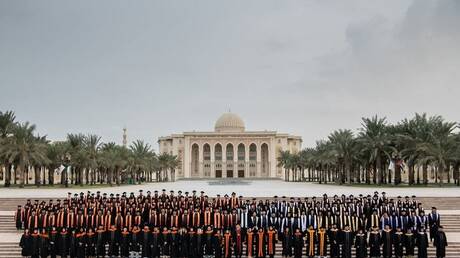
U.S. branches of universities in the Middle East have announced their shift to online education amid rising fears of potential Iranian targeting of their facilities in the region. This move comes in the wake of U.S. airstrikes that targeted universities in Iran, further intensifying tensions in the area.
The universities aim to protect their students and faculty from any potential threats, considering this step as part of a comprehensive response to the deteriorating security situation. Many students have expressed concern about the current state of affairs, prompting university administrations to make this swift decision.
Details of the Transition
Following the U.S. airstrikes that targeted several Iranian universities, American universities in the Middle East began assessing the security situation. Reports indicate that these universities have opted for online education as a precautionary measure to safeguard students. This transition occurs at a sensitive time, as tensions between the United States and Iran are escalating, raising fears of possible Iranian retaliation.
The universities that have made this decision include branches in countries such as the United Arab Emirates and Qatar, where a significant number of Arab and international students study. The administrations of these universities have expressed their commitment to providing a safe educational environment, even under the current circumstances.
Background & Context
Historically, relations between the United States and Iran have been marked by increasing tensions, especially following the U.S. withdrawal from the nuclear agreement in 2018. Since then, military operations and political tensions have escalated, impacting various sectors, including education. The recent U.S. airstrikes not only resulted in the destruction of some educational facilities but also heightened anxiety among students and faculty at American universities.
American universities in the Middle East are among the leading educational institutions, offering advanced study programs to students from diverse nationalities. However, political and security tensions could significantly affect their ability to deliver education effectively.
Impact & Consequences
This shift to online education is expected to have far-reaching effects on students and faculty. As education moves online, students may face new challenges related to social interaction and effective learning. Additionally, this decision may impact the quality of education, as many students rely on direct interaction with teachers and peers.
Furthermore, this situation may lead to increased psychological stress on students, who are concerned about their academic and professional futures. Some universities have expressed their readiness to provide psychological support to help students cope with these pressures.
Regional Significance
This transition to online education signifies the challenges faced by educational institutions in the Arab region. With escalating political and security tensions, more universities may be forced to make similar decisions to protect their students. This situation could also affect the higher education landscape in the region, as students may hesitate to enroll in universities located in areas of conflict.
Ultimately, this situation reflects the urgent need to enhance security and stability in the region to ensure the continuity of education and provide a safe environment for students. Education is the foundation of development, and any threat to it could impact the future of upcoming generations.