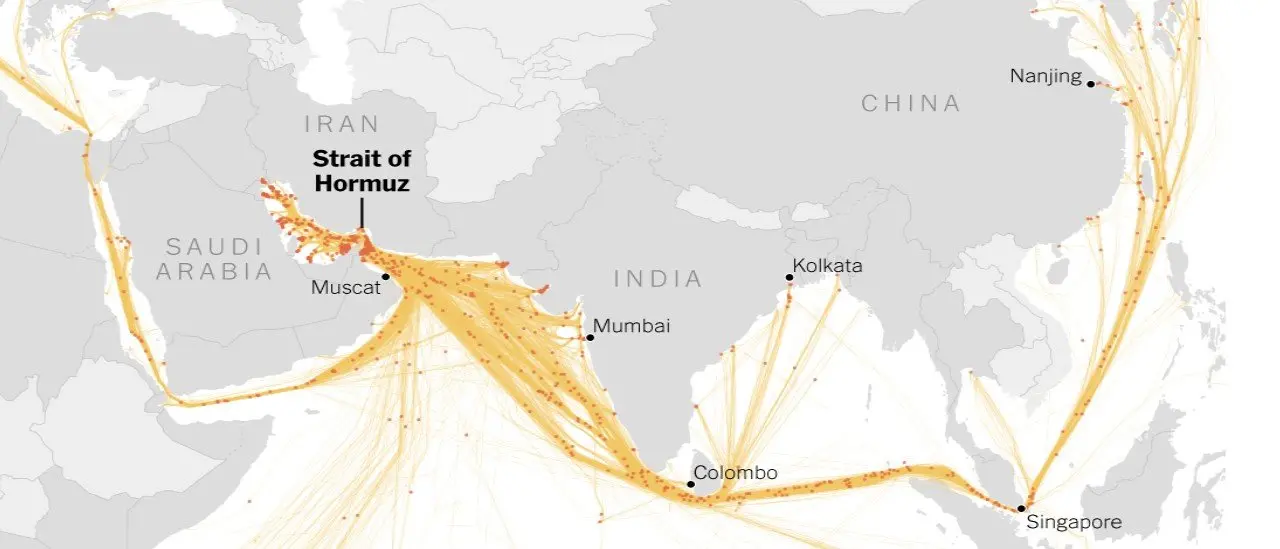
The United States has called on China to engage in efforts to secure the Strait of Hormuz, which is considered one of the most important maritime passages in the world. This invitation arises in light of increasing tensions in the region and their effect on global trade.
The United States views the Strait of Hormuz as a vital strategic point, through which approximately 20% of the world's total oil passes. Recently, the area has witnessed a rise in tensions between major powers, raising concerns about navigation security.
Details of the Event
In official statements, American officials confirmed that cooperation with China in securing the Strait of Hormuz could contribute to enhancing regional stability. They pointed out that China, as one of the largest consumers of oil, has a significant interest in ensuring the safety of this vital passage.
This call comes after a series of maritime incidents in the region, including attacks on oil tankers, which have heightened concerns about supply security. The United States believes that collaboration with China could help mitigate these risks.
Background & Context
The Strait of Hormuz is a major transit point for oil and natural gas, linking producing countries in the Arabian Gulf with global markets. Historically, this strait has experienced political and military tensions, especially amid regional conflicts.
In recent years, military activities in the region have increased, with the United States bolstering its military presence in the Gulf while Iran seeks to expand its influence. This complex situation necessitates international cooperation to ensure security and stability.
Impact & Consequences
If China responds to the American invitation, it could lead to a shift in the dynamics of international relations in the region. Cooperation between the United States and China could help reduce tensions and enhance dialogue opportunities among the involved parties.
However, this cooperation may face challenges, especially given the strategic competition between the United States and China. Any steps towards collaboration may require a delicate balance between the national interests of both countries.
Regional Significance
The Arab countries in the Gulf region are among those most affected by developments in the Strait of Hormuz. Any escalation or tension in the area can directly impact the economies of these nations, which heavily rely on oil exports.
Therefore, enhancing security in the Strait of Hormuz is not only an international mission but also an urgent necessity for Arab countries to ensure their economic and political stability.
In conclusion, international cooperation in securing the Strait of Hormuz remains an urgent necessity amid growing challenges. China's response to the American invitation could open new avenues for collaboration in the region, contributing to enhanced security and stability.