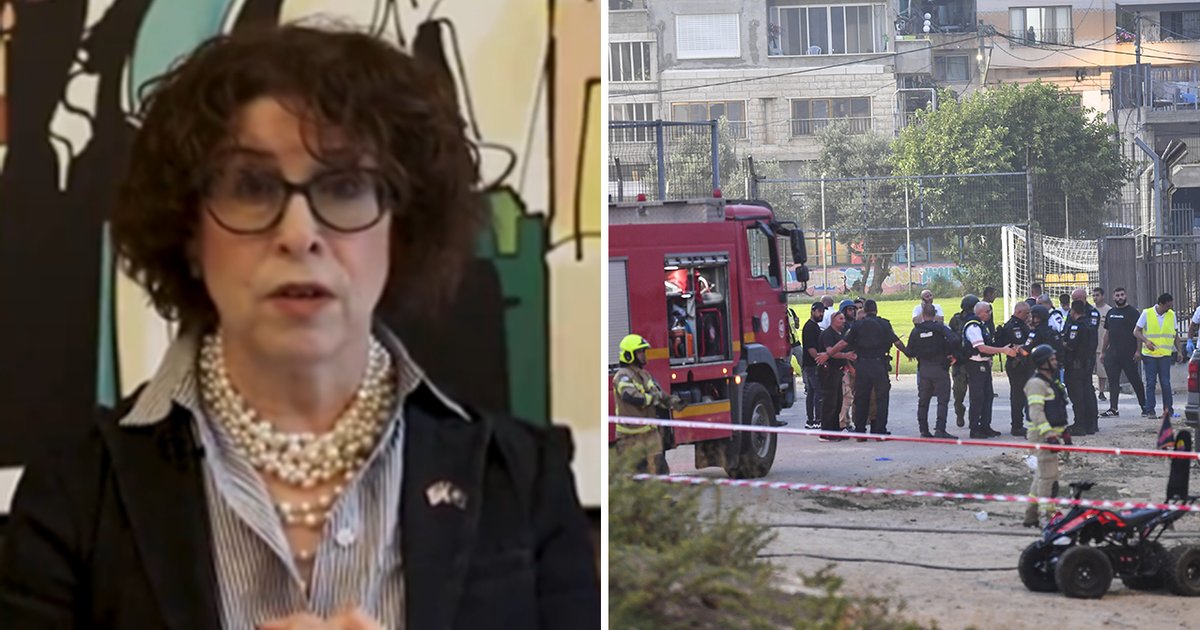
The U.S. government has called on its citizens in Lebanon to leave the country, highlighting the importance of taking this step while commercial flight options are still available. This warning comes at a time when Lebanon is experiencing heightened political and security tensions, raising concerns about the safety of American citizens there.
This call from the U.S. Department of State is part of its efforts to protect its citizens in conflict or tense regions. The department has confirmed that the situation in Lebanon could deteriorate rapidly, making it essential for American citizens to take precautionary measures.
Details of the Situation
In an official statement, the U.S. Department of State reported that American citizens should be aware of the volatile security situation in Lebanon. This warning followed a series of events in the country, including popular protests and political unrest that have affected overall stability.
This step is a serious warning from the U.S. government, as it confirmed that commercial flights are still available, providing an opportunity for citizens to leave the country before the situation worsens. The department also urged citizens to exercise caution and monitor local news and security alerts.
Background & Context
Lebanon, which has been suffering from a crippling economic crisis since 2019, has witnessed a deterioration in security and political conditions. Successive crises have exacerbated living conditions, leaving many citizens feeling insecure. In this context, the U.S. call for its citizens to leave the country serves as a complementary step to international efforts aimed at supporting security and stability in Lebanon.
It is noteworthy that Lebanon has experienced numerous political crises in recent years, including government resignations and tensions among various political factions. These crises have contributed to creating an unstable environment, making it essential for foreign nations to take steps to protect their citizens.
Impact & Consequences
The U.S. government's call for its citizens to leave Lebanon may have negative repercussions on tourism and the Lebanese economy. With an increasing number of departures, the tourism sector could be significantly affected, adding pressure to an already struggling economy.
Moreover, this call may reflect a broader international concern regarding the situation in Lebanon, potentially leading to increased pressure on the Lebanese government to find solutions to current crises. At the same time, this step may heighten fears among Lebanese citizens about the future of the country.
Regional Significance
The U.S. call for its citizens to leave Lebanon is an indicator of rising tensions in the region, where many Arab countries are facing political and economic crises. These events may escalate tensions between Western countries and Arab nations, reflecting a state of instability in the region.
Furthermore, this call may impact relations between Lebanon and Western countries, as it could be perceived as a sign of distrust in the Lebanese government's ability to maintain security and stability. Under these circumstances, it becomes crucial for Arab countries to work together to enhance security and stability in the region.
In conclusion, the U.S. government's call for its citizens to leave Lebanon serves as a reminder of the need to pay attention to the changing security and political conditions in the region. Citizens and the international community must be prepared to address the challenges that may arise in the future.