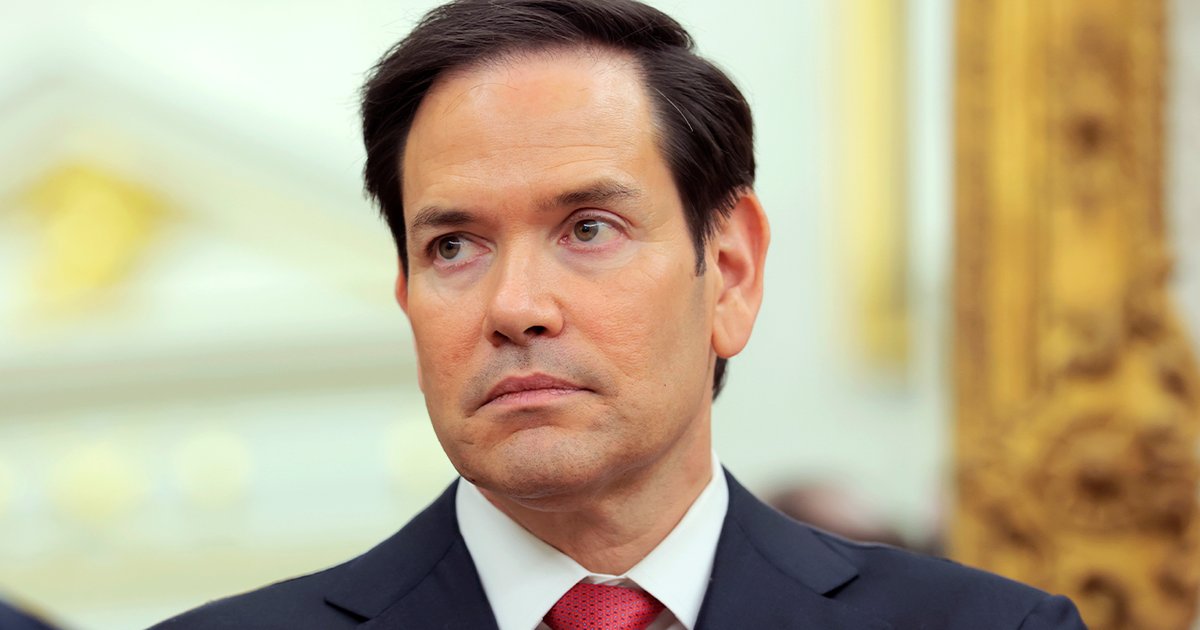
In a move reflecting escalating tensions between the United States and Iran, US Secretary of State Marco Rubio has urged Tehran to commit to ending its nuclear ambitions. This statement was made during an interview with Al Jazeera, where he emphasized the necessity for Iran to take tangible steps to halt any efforts towards developing nuclear weapons.
Rubio pointed out that if Iran wishes to utilize nuclear energy, it must adhere to internationally accepted mechanisms, similar to those followed by other countries in importing nuclear fuel. He stressed that Iran should not possess a system that allows it to convert nuclear energy into weapons.
Details of the Event
Rubio's remarks come at a sensitive time, as the Iranian Foreign Ministry has confirmed that the Iranian parliament is considering the possibility of withdrawing from the Nuclear Non-Proliferation Treaty (NPT). Simultaneously, Iran continues to assert that it has no intention of developing nuclear weapons, which contradicts Western fears regarding its nuclear ambitions.
Last week, former US President Donald Trump claimed that talks between Washington and Tehran had been "very positive," which led to a postponement of any potential US attacks on Iranian energy infrastructure. However, Iran denied the existence of any direct talks, indicating that it had only received messages expressing the US's desire for dialogue.
Context and Background
Historically, relations between the United States and Iran have been strained since the Islamic Revolution in 1979, which led to the imposition of severe economic sanctions on Iran. In 2015, the nuclear agreement known as the Joint Comprehensive Plan of Action (JCPOA) was reached, under which sanctions were lifted in exchange for Iran scaling back its nuclear program. However, with the US withdrawal from the agreement in 2018, tensions resurfaced.
Since then, Iran has sought to advance its nuclear program, raising concerns within the international community, particularly among Western nations that fear Iran's potential development of nuclear weapons. In this context, Rubio's calls are part of Washington's efforts to pressure Tehran to return to the negotiating table.
Implications and Effects
If Iran continues to develop its nuclear program, it could escalate tensions in the Middle East, where countries like Saudi Arabia and Israel may feel threatened. Additionally, any escalation in this crisis could lead to increased economic sanctions on Iran, potentially impacting its internal stability.
On the other hand, successful negotiations could ease tensions and improve relations between Iran and the West, contributing to regional stability. However, the question remains as to how willing Iran is to comply with US demands.
Impact on the Arab Region
Neighboring Arab countries such as Iraq and Saudi Arabia are among those most affected by developments in this issue. Increased nuclear tensions could lead to an arms race in the region, exacerbating instability. Conversely, if negotiations succeed, they could enhance regional security and mitigate conflicts.
In conclusion, the future of US-Iran relations hinges on the outcomes of ongoing negotiations and Iran's commitment to halting its nuclear ambitions. This issue is not merely bilateral; it impacts the security and stability of the entire Middle East region.